<br />
<b>Notice</b>:  Function Elementor\Core\Experiments\Manager::warn_removed_or_hidden_dependency was called <strong>incorrectly</strong>. Feature mega-menu depends on hidden experiment nested-elements. Please see <a href="https://developer.wordpress.org/advanced-administration/debug/debug-wordpress/">Debugging in WordPress</a> for more information. (This message was added in version 4.3.4.) in <b>/home/kasraan/honargardi/wp-includes/functions.php</b> on line <b>6260</b><br />
<?xml version="1.0" encoding="UTF-8"?><rss version="2.0"
	xmlns:content="http://purl.org/rss/1.0/modules/content/"
	xmlns:wfw="http://wellformedweb.org/CommentAPI/"
	xmlns:dc="http://purl.org/dc/elements/1.1/"
	xmlns:atom="http://www.w3.org/2005/Atom"
	xmlns:sy="http://purl.org/rss/1.0/modules/syndication/"
	xmlns:slash="http://purl.org/rss/1.0/modules/slash/"
	>

<channel>
	<title>بایگانی‌های Architecture - Honargardi</title>
	<atom:link href="https://honargardi.com/en/category/architecture/feed/" rel="self" type="application/rss+xml" />
	<link>https://honargardi.com/en/category/architecture/</link>
	<description></description>
	<lastBuildDate>Thu, 04 Aug 2016 20:03:59 +0000</lastBuildDate>
	<language>en-US</language>
	<sy:updatePeriod>
	hourly	</sy:updatePeriod>
	<sy:updateFrequency>
	1	</sy:updateFrequency>
	<generator>https://wordpress.org/?v=7.1.3</generator>
	<item>
		<title>A Dialogue with Nature: Dennis Oppenheim at Storm King</title>
		<link>https://honargardi.com/en/a-dialogue-with-nature-dennis-oppenheim-at-storm-king/</link>
					<comments>https://honargardi.com/en/a-dialogue-with-nature-dennis-oppenheim-at-storm-king/#respond</comments>
		
		<dc:creator><![CDATA[علیرضا محمدشاه]]></dc:creator>
		<pubDate>Thu, 04 Aug 2016 20:03:59 +0000</pubDate>
				<category><![CDATA[Architecture]]></category>
		<category><![CDATA[Visual arts]]></category>
		<guid isPermaLink="false">https://honargardi.com/en/2016/08/04/a-dialogue-with-nature-dennis-oppenheim-at-storm-king/</guid>

					<description><![CDATA[<p>Nature has always been a source of inspiration for artists, and landscape remains a favored subject for many. In the late 1960s, a group of artists, including Robert Smithson, Walter De Maria,Michael Heizer, and Dennis Oppenheim, among others, came up with the revolutionary idea to consider land itself as a medium, inherently laden as it [&#8230;]</p>
<p>نوشته <a href="https://honargardi.com/en/a-dialogue-with-nature-dennis-oppenheim-at-storm-king/">A Dialogue with Nature: Dennis Oppenheim at Storm King</a> اولین بار در <a href="https://honargardi.com/en">Honargardi</a>. پدیدار شد.</p>
]]></description>
										<content:encoded><![CDATA[<p>Nature has always been a source of inspiration for artists, and landscape remains a favored subject for many. In the late 1960s, a group of artists, including Robert Smithson, Walter De Maria,<a href="http://www.artinamericamagazine.com/news-features/magazine/one-to-one/">Michael Heizer</a>, and Dennis Oppenheim, among others, came up with the <a href="http://www.artinamericamagazine.com/news-features/magazine/land-art-for-the-media-age/">revolutionary idea</a> to consider land itself as a medium, inherently laden as it is with cultural and historical significance. In an effort to move art away from the commercial machinations of urban galleries and museums, these artists made various alterations to remote outdoor environments. Some of these efforts entailed only subtle interventions—a rearrangement of twigs and stones, for instance; others employed bulldozers to move massive amounts of soil and rock, thereby creating new landmarks, or <a href="http://www.artinamericamagazine.com/news-features/magazine/from-the-archives-earthscapes-landworks-and-oz/">Earthworks</a>, as they were called. Often, few people ever saw these ephemeral artworks. And if they lacked photographic documentation, there would be no record of their existence, save by word of mouth.</p>
<p>One of the most restless and innovative of the group, Oppenheim transplanted himself from the Bay Area to New York in 1966 to become a pioneer of Earth, Body, Conceptual, installation, and video art. Eloquent and charismatic, he was one of the few who would convincingly and seemingly effortlessly traverse these genres in his wide-ranging projects. “Dennis Oppenheim: Terrestrial Studio,” this summer’s major exhibition at Storm King Art Center in New Windsor, New York, focuses solely on the artist’s unique engagement with the land. While not a full-scale retrospective, it examines how his approach to nature evolved over the course of his career. The show constitutes the first posthumous solo exhibition for the artist, who died of cancer in 2011 at age seventy-two, and the first US museum exhibition of Oppenheim’s work in nearly a decade.</p>
<p>&nbsp;</p>
<p>read more in <a href="http://www.artinamericamagazine.com/news-features/news/a-dialogue-with-nature-dennis-oppenheim-at-storm-king/" target="_blank">artinamericamagazine</a></p>
<p>نوشته <a href="https://honargardi.com/en/a-dialogue-with-nature-dennis-oppenheim-at-storm-king/">A Dialogue with Nature: Dennis Oppenheim at Storm King</a> اولین بار در <a href="https://honargardi.com/en">Honargardi</a>. پدیدار شد.</p>
]]></content:encoded>
					
					<wfw:commentRss>https://honargardi.com/en/a-dialogue-with-nature-dennis-oppenheim-at-storm-king/feed/</wfw:commentRss>
			<slash:comments>0</slash:comments>
		
		
			</item>
		<item>
		<title>Architecture of Life</title>
		<link>https://honargardi.com/en/architecture-of-life/</link>
					<comments>https://honargardi.com/en/architecture-of-life/#respond</comments>
		
		<dc:creator><![CDATA[علیرضا محمدشاه]]></dc:creator>
		<pubDate>Thu, 12 May 2016 08:54:23 +0000</pubDate>
				<category><![CDATA[Architecture]]></category>
		<category><![CDATA[Visual arts]]></category>
		<guid isPermaLink="false">https://honargardi.com/en/2016/05/12/architecture-of-life/</guid>

					<description><![CDATA[<p>The question of what a particular museum aims to be is, today, so often preceded by the question of who’s behind its design. The recent construction boom among major American art institutions has resulted in the same kind of name-dropping that typically accompanies an Academy Awards red carpet: the San Francisco Museum of Modern Art, [&#8230;]</p>
<p>نوشته <a href="https://honargardi.com/en/architecture-of-life/">Architecture of Life</a> اولین بار در <a href="https://honargardi.com/en">Honargardi</a>. پدیدار شد.</p>
]]></description>
										<content:encoded><![CDATA[<p class="p1">The question of what a particular museum aims to be is, today, so often preceded by the question of who’s behind its design. The recent construction boom among major American art institutions has resulted in the same kind of name-dropping that typically accompanies an Academy Awards red carpet: the San Francisco Museum of Modern Art, reopening later this month, has been completely made over, its original Mario Botta building transformed by Norwegian firm Snøhetta; the Whitney Museum’s much-lauded new home boasts a tiered design by Renzo Piano; and the Broad’s eye-catching flagship building comes courtesy Diller Scofidio + Renfro, as does the Museum of Modern Art’s sleek future expansion. The Berkeley Art Museum and Pacific Film Archive, which reopened this January in a new building also designed by Diller Scofidio + Renfro, is far more modest by comparison, but similar questions that have been asked of those higher-profile projects, about what a new home means for an institution’s identity and how it might recalibrate its relationship to its public, pertain.</p>
<h2 class="p1" style="text-align: center"><a href="http://www.artinamericamagazine.com/reviews/ldquoarchitecture-of-liferdquo/">READ MORE</a></h2>

<p>نوشته <a href="https://honargardi.com/en/architecture-of-life/">Architecture of Life</a> اولین بار در <a href="https://honargardi.com/en">Honargardi</a>. پدیدار شد.</p>
]]></content:encoded>
					
					<wfw:commentRss>https://honargardi.com/en/architecture-of-life/feed/</wfw:commentRss>
			<slash:comments>0</slash:comments>
		
		
			</item>
		<item>
		<title>THE MUSEUM INTERFACE</title>
		<link>https://honargardi.com/en/the-museum-interface/</link>
					<comments>https://honargardi.com/en/the-museum-interface/#respond</comments>
		
		<dc:creator><![CDATA[علیرضا محمدشاه]]></dc:creator>
		<pubDate>Tue, 02 Feb 2016 21:48:24 +0000</pubDate>
				<category><![CDATA[Architecture]]></category>
		<category><![CDATA[Visual arts]]></category>
		<category><![CDATA[art in museum]]></category>
		<category><![CDATA[iran museum]]></category>
		<category><![CDATA[museum interface]]></category>
		<guid isPermaLink="false">https://honargardi.com/en/2016/02/03/the-museum-interface/</guid>

					<description><![CDATA[<p>by Sarah Hromack, Rob Giampietro It&#8217;s no longer a question of whether art institutions should have a virtual presence. Rather, the onus is being placed on designers to facilitate meaningful interactions with art that might occur in the gallery, via Web-based applications or in new hybrid spaces that merge the real and the virtual. Any [&#8230;]</p>
<p>نوشته <a href="https://honargardi.com/en/the-museum-interface/">THE MUSEUM INTERFACE</a> اولین بار در <a href="https://honargardi.com/en">Honargardi</a>. پدیدار شد.</p>
]]></description>
										<content:encoded><![CDATA[<h3>by <a href="http://www.artinamericamagazine.com/search/Sarah+Hromack/">Sarah Hromack</a>, <a href="http://www.artinamericamagazine.com/search/Rob+Giampietro/">Rob Giampietro</a></h3>
<p>It&#8217;s no longer a question of whether art institutions should have a virtual presence. Rather, the onus is being placed on designers to facilitate meaningful interactions with art that might occur in the gallery, via Web-based applications or in new hybrid spaces that merge the real and the virtual. Any attempt to augment an encounter with artwork using technological means invariably raises questions about the values we assign to certain modes of viewing. After all, isn&#8217;t visiting a museum inherently tied to a very deep, very primary real-life experience? The promises and pitfalls of new technologies are forcing museums to rebalance their traditional mandates to care for a collection of physical objects while enabling scholarship and providing the wider public an opportunity to engage with works of art. <em><em>—</em><em>R.G. and S.H.</p>
<p></em></em>SARAH HROMACK  While I currently work in an art museum, my personal engagement with art and digital mediaa—online publishing, blogging and the social Web, in particular—has developed over the course of nearly 20 years. In that time, I have observed the ways in which the physical experience of looking at art has become increasingly mediated by technology, a process that has only intensified as the Web became constantly accessible via mobile devices. When considering the role of the so-called digital audience for an art institution, I imagine the individual who may never stand in a given physical site, yet may nevertheless engage with a work of art, performance or installation through the digital interface of a website or app. While museums sometimes make problematic judgments about what an art experience should or shouldn&#8217;t be—and enforce those pedagogical prescriptions through architecture, texts and other didactic materials, public programming and, of course, the placement of art works themselves—we simply have to acknowledge and even accept the ever-changing role technology plays in that experience, for better or for worse. In doing so, we can begin to glean a more nuanced and critical understanding of how people encounter art in physical and virtual spaces.</p>
<p>ROB GIAMPIETRO  I&#8217;ve worked as a designer on a diverse range of interfaces and websites for cultural institutions, artists, architects, philosophers and more. I find it fascinating how ideas from the physical world can be translated—crudely or elegantly—to the metaphorical space of the screen. I&#8217;m also interested in what could be considered native about this space, what the screen uniquely provides. In particular, I share the view of so many of the field&#8217;s pioneers that interactive technology is a branch of cinema</p>
<p>In his 1955 book <em>Designing for People</em>, industrial designer Henry Dreyfuss was one of the first to write of designing a &#8220;man-machine interface&#8221;—in that case, a more accessible cockpit for pilots in WWII. By applying techniques from the emerging fields of ergonomics and information theory, Dreyfuss and his team aimed to integrate controls, seating and instrumentation in order to close the gap between a pilot and his aircraft. Like the full-room scale of the first mainframe computers, the cockpit subsumed its human operator—it was an interface that was also an environment, operating at the scale of architecture. In the same book, Dreyfuss turns his attention from the hard lessons of war to the soft power of culture, evoking another bit of architecture that might be reshaped by the new logic of the interface: the museum. &#8220;A half-hour&#8217;s tour through a museum with a TV camera,&#8221; he wrote, &#8220;can bring to life a wealth of art and knowledge that could otherwise not be seen in months.&#8221;<sup data-note-type="footnote" data-note-order="1"><a title="Footnote 1" href="http://www.artinamericamagazine.com/news-features/magazine/the-museum-interface/#fn1">1</a></sup> Once again Dreyfuss was aiming to close a gap, to give people immediate access to all the world&#8217;s artwork. Paradoxically, his scheme for facilitating this immediacy required the mediating device of broadcast television.</p>
<p>HROMACK  The camera still weighs heavily on our physical experience of the museum. Surrealist and Bauhaus-era exhibition designers first began to condition us for this, even though their gestures long predated the ubiquitous presence of screens in our everyday lives. I think of Kurt Schwitters&#8217;s <em>Merzbau</em>, an immersive environment the German artist constructed in the 1920s and &#8217;30s, or the work of László Moholy-Nagy and Herbert Bayer. These artists and designers introduced radical spatial configurations and new conventions of display that altered the conditions for viewing art, prompting people to behave and interact differently. Now, our cameras are embedded in the smartphones many of us hold as constant companions; by presenting and circulating photography in still-novel ways, applications such as Instagram and Vine are also enabling new phenomenologies around the way art is encountered, experienced and considered.</p>
<p>Though written comments are still a primary form of online social interaction, the photograph now functions as a form of commenting, as we make implied statements by posting images instead of words. This is a complicated prospect when we consider how woefully prevalent miscommunication can be with words—imagine the vast room for interpretation a photograph offers. If we think about this phenomenon in the museum context we are faced with a difficult set of questions. For example, what does it mean for us to encounter an artist&#8217;s work for the first time via Facebook or Instagram or Vine?</p>
<p>GIAMPIETRO  I&#8217;m sure that happens a lot! I wonder if we fast-forwarded a few years wether we might find other commercial Web platforms absorbing museum functions. For example, Etsy or Ebay might just as frequently be used for organizing and browsing object data as a museum website. I know curators of design objects and even librarians with non-book collections who&#8217;ve found the expert communities and the knowledge they&#8217;ve generated from these sites to be useful in filling in gaps in collection data.</p>
<p>HROMACK  Earlier in the summer, I witnessed a conversation wherein a handful of New York-based arts professionals admitted to having willfully refrained from seeing Kara Walker&#8217;s recent installation,<em> A Subtlety, or the Marvelous Sugar Baby</em>—a magnificent larger-than-life sphinx made of refined white sugar—in Brooklyn&#8217;s Domino Sugar factory, because they felt that they had already sufficiently experienced the piece through images seen in others&#8217; Instagram feeds.</p>
<p>Walker&#8217;s work was nothing short of monumental in scale and ambition. It addressed the history of the disused factory space and grappled with the legacy of an industry—sugar production—whose labor practices exemplified the vicious racial inequities that still plague our country. The images in question here—selfies and other pictures featuring visitors making sexually explicit gestures or striking juvenile poses with Walker&#8217;s sphinx-starkly illustrated many of the issues around art access that we&#8217;re alluding to here. Technology has given us the platform to document our experiences instantly and at will; the behavioral response is still unrefined and often hair-triggered, however. The issues surrounding photographic representation are by no means new, either, even if the methods of image replication and distribution have changed: we&#8217;ve been arguing over the representation of race and ethnicity in photography and its relationship to exhibition display for quite a while. Many of the questions raised by the social media response to Walker&#8217;s project echo the debates surrounding &#8220;The Family of Man,&#8221; Edward Steichen&#8217;s 1955 exhibition at New York&#8217;s Museum of Modern Art, which drew a quarter of a million people to view images of people from around the world.</p>
<p>To think that now, in 2014, we would allow ourselves to be dissuaded from a physical experience by the effects of a digital interface is sad, given that we can ostensibly control our consumption of the Web. Seeing an image pop up over and over again in various social media feeds might make me feel a sense of familiarity with the work, but it cannot approximate my sensorial experience—and I say this as a person that has experienced augmented and virtual reality in military-grade computer labs! The Google Art Project can document a work by creating a 360 degree interactive panorama, as it did with Walker&#8217;s project, but that high-resolution image cannot supplant the physical object. It is crucial that we keep looking at and experiencing works of art in the real world.</p>
<p><img fetchpriority="high" decoding="async" class="size-medium wp-image-778 aligncenter" src="http://honargardi.com/wp-content/uploads/2016/02/img-museum-interface_105140438490-379x500.jpg" alt="museum interface" width="379" height="500" /><br />
GIAMPIETRO  I noticed that many of those who posted about the Walker installation online noted the specifics of its scent. It&#8217;s tempting to portray the contemporary installation—spectacle as an image-making machine, producing dozens of similar images. In Instagram&#8217;s interface, pictures of Walker&#8217;s installation appear stamp-sized on a phone&#8217;s screen, flattened in all dimensions, their likers and commenters quantified. These images may document the installation, but they also document and identify each photographer&#8217;s individual presence in the space. In that way, these pictures assert the primacy of the photographer&#8217;s direct experience as opposed to an Instagram user&#8217;s mediated one. Those discouraged from visiting Walker&#8217;s installation in person because of its ubiquity on social media may have been discouraged not by what the installation itself offered but by what its flood of representations removed: the sense that an encounter with the work could be personal or transformative. The new hyper-visibility is difficult because it can transform a unique installation into commodified image; the work&#8217;s lasting political power could easily be mistaken for a fleeting trend.</p>
<p>The person who logs on to a museum&#8217;s website, however, has a different sort of experience because the entire collection appears to be at his or her fingertips. Digital images on a museum website can&#8217;t offer transcendence any more than an Instagram feed can, but institutional websites do tend to offer the illusion of control, the sense that visitors can curate a museum&#8217;s collection by arranging images to their liking.</p>
<p>HROMACK What role does design play in suggesting that illusion of control? In developing museum—specific interfaces that focus on the delineation of time, designers seem to be &#8220;performing&#8221; art history in a sense: if you look closely at all major online museum collections, you will see a very similar, and yet remarkably limited set of interactive possibilities. A person can often sort a collection of images by the date the artworks were created, for instance, or click through an illustrated timeline as a means of parsing art history. And yet, regardless of how vigorously designers and institutions strive to imbue a user&#8217;s experience with a sense of history and academic accuracy—of physical space, even—no one can stop the proliferation of those images onto the wider Internet where they are collected, stacked, starred, liked, reposted and regrammed by people into other, unknown narratives. By granting digital access to its collection, whether through images, metadata or other assets, the museum also opens itself to new forms of public interpretation. This is a true form of institutional vulnerability.</p>
<p>GIAMPIETRO I think it&#8217;s also worth considering how the term &#8220;platform&#8221;-software that powers a wide community of networked interactions, devices and experiences—may function in relationship to the question of access. Platform is a euphemism for control: build the platform and you rule the territory by granting or restricting access to people, places, things or data. Software platforms are to some degree institutional, but museums also function and describe themselves as platforms, in a broader sense. Sometimes this description of the museum-as-platform is conceptual, other times it is describing the walls themselves and the art they display. The museum building, you might say, is a certain platform for social interaction organized around viewing art. Transferring this concept to the Web is more complex: what if certain artworks from a museum are stolen, damaged, sold or repossessed? If these works disappear from the museum&#8217;s walls, what are the implications for that museum&#8217;s digital audiences? These works could still be displayed on its website. But something would be different.</p>
<p>In other cases, though, there doesn&#8217;t appear to be a problem or contradiction at all—a museum hosts a traveling show with works on loan and displays those works on its website. Afterward, they are logged as part of the museum&#8217;s exhibition history. And what about works that the museum chooses to write about on a blog? Or show as comparisons? You could imagine situations that are more restrictive or permissive along this spectrum, but it&#8217;s clear that a museum platform that can accommodate any image is not restrictive enough. The more wall—less the museum becomes, the more its website might start to resemble other websites.</p>
<p>Databases are powerful tools for collectively producing knowledge about the world and its objects because they make gaps in knowledge evident, fillable and comma-separated. Expert communities dedicated to visual artifacts inevitably resemble museums. I have an artist friend working with insects who has just stumbled onto a whole Internet subculture where rare bugs are traded, bred, photographed, logged and trafficked. Ad-hoc online expert communities that include professionals and &#8220;prosumers&#8221; may even provide some benefits to museums: Etsy&#8217;s data might be better structured, for example, or its design objects might be more comprehensively documented than those same objects in a museum&#8217;s collection. Via its developer Application Programming Interface (API), Ebay might have a better method for connecting with other platforms to create a more networked collection of certain objects. In other words, Ebay and Etsy excel at being databases that can be related to other databases. Within the database, facts are isolated, checked and then related. The expert community curates collectively.</p>
<p>Even as they build ever-more complex databases, some museums have resisted this trend and look for other metaphors to explain the role their digital interfaces play. Most common is a metaphor favored by French critic and scholar André Malraux. In a 2012 <em>Metropolis</em>interview, the Walker Art Center&#8217;s Andrew Blauvelt explained that, &#8220;The new Walker website is a completely different model for museums. It has become a publishing platform and ideas hub, not just a place where you get info on how to visit or what to visit. That information is, of course, there and available still. What is new is that we are now developing our own editorial content.&#8221; <sup data-note-type="footnote" data-note-order="2"><a title="Footnote 2" href="http://www.artinamericamagazine.com/news-features/magazine/the-museum-interface/#fn2">2</a></sup>  MoMA&#8217;s POST website, which is described as an &#8220;online resource devoted to art and the history of modernism in a global context,&#8221; is overseen by an editorial team and appears accordingly less like a database than an online magazine populated with full articles about international modern art.<sup data-note-type="footnote" data-note-order="3"><a title="Footnote 3" href="http://www.artinamericamagazine.com/news-features/magazine/the-museum-interface/#fn3">3</a></sup>  Of course, the Walker and MoMA, like many museums, have acted as publishers for quite some time: they produce and distribute exhibition catalogues, membership magazines and other publications. These institutions are seeking to develop scholarship, criticism and interviews designed to be shared across social media with the aim of generating conversation online. The interface brings the operator as close to the operation as possible while designating a site of mediation between them. If we understand art primarily as a form of cultural discourse, it&#8217;s possible to envision a museum&#8217;s interface as essential to closing the gap between its art and its public.</p>
<p>HROMACK The Walker&#8217;s model is very interesting to me and has been for years. Reading from afar, I often wonder about the relationship between the museum and its local community and whether the same model would work in New York, the city where I live and work. Museums consider the notion of public engagement very carefully, and the social web provides an ideal space for the institution to project its own feelings about how openly or generously or successfully it interacts with people-whether those notions are functionally true or not.</p>
<p>I am not entirely convinced that museum-run publications-as-social-spaces-the Whitney Stories publication and video series that we run out of my department, for instance, or MoMA&#8217;s Post project-can unilaterally engender genuine, self-selected digital communities, regardless of how much we hope and believe otherwise, on an institutional level. At this point in the history of the Internet, the major social media platforms command a sheer level of user engagement that individual, organization-specific platforms simply cannot, unfortunately; it&#8217;s our job to figure out how to harness that monopoly, both socially and technically, through smart social integration and interface design. <em></p>
<p></em>Researchers such as Sherry Turkle (MIT) have worked for decades to both understand and caution against the complex psychological relationships people develop with their devices.</p>
<p>Yet, the future of museum visitor engagement will continue to mimic current technology trends: smartphones, &#8220;wearables&#8221; and proximity-based technologies such as the iBeacon. MoMA&#8217;s most recent mobile application, Audio +, is a strong example of an institution recognizing a now—natural human behavior—in this case, the propensity of in—gallery photography—and designing for that behavior rather than sanctioning against it. Likewise, the soon-to-reopen Cooper Hewitt, Smithsonian Design Museum will proffer an interactive pen, co-designed with Hewlett-Packard, to each visitor who will in turn be permitted to &#8220;collect&#8221; objects throughout the institution by scanning museum labels, thereby &#8220;capturing&#8221; their visit to the museum for later access on a web address printed on their admission ticket. These digital experiments don&#8217;t always work, and they certainly challenge still-held ideas about how people should and shouldn&#8217;t behave in museums. But art institutions aren&#8217;t churches, and the enthusiasm we see among visitors for bringing digital technology into the gallery suggests that we&#8217;re witnessing a transformation in how the museum relates to its public. The assumptions and biases that will be overturned in that process remains another question entirely.</p>
<p><em><br />
ROB GIAMPIETRO is principal at Project Projects, a design studio in New York.</p>
<p>SARAH HROMACK is director of digital media at New York&#8217;s Whitney Museum of American Art. </em></p>
<p>Source: <a href="http://www.artinamericamagazine.com/" target="_blank">artinamericamagazine.com</a></p>
<p>نوشته <a href="https://honargardi.com/en/the-museum-interface/">THE MUSEUM INTERFACE</a> اولین بار در <a href="https://honargardi.com/en">Honargardi</a>. پدیدار شد.</p>
]]></content:encoded>
					
					<wfw:commentRss>https://honargardi.com/en/the-museum-interface/feed/</wfw:commentRss>
			<slash:comments>0</slash:comments>
		
		
			</item>
		<item>
		<title>Urban Terrain</title>
		<link>https://honargardi.com/en/urban-terrain/</link>
					<comments>https://honargardi.com/en/urban-terrain/#respond</comments>
		
		<dc:creator><![CDATA[علیرضا محمدشاه]]></dc:creator>
		<pubDate>Mon, 04 Jan 2016 07:53:21 +0000</pubDate>
				<category><![CDATA[Architecture]]></category>
		<category><![CDATA[Photography]]></category>
		<category><![CDATA[Visual arts]]></category>
		<guid isPermaLink="false">https://honargardi.com/en/2016/01/04/urban-terrain/</guid>

					<description><![CDATA[<p>Drawn to bold structures, shapes and lines, self-taught photographer Jürgen Schrepfer (b. 1962) explores cityscapes with a camera, uncovering moments of artistic beauty in the modern metropolis. Schrepfer is a mechanical engineer, which explains the attraction to the constructed corners of urban landscapes. Developing an interest in photography in 2005, he has heightened the architectural [&#8230;]</p>
<p>نوشته <a href="https://honargardi.com/en/urban-terrain/">Urban Terrain</a> اولین بار در <a href="https://honargardi.com/en">Honargardi</a>. پدیدار شد.</p>
]]></description>
										<content:encoded><![CDATA[<p>Drawn to bold structures, shapes and lines, self-taught photographer Jürgen Schrepfer (b. 1962) explores cityscapes with a camera, uncovering moments of artistic beauty in the modern metropolis. Schrepfer is a mechanical engineer, which explains the attraction to the constructed corners of urban landscapes. Developing an interest in photography in 2005, he has heightened the architectural details of apartments, churches, office blocks, underground stations and libraries. Many of his images are shot in Frankfurt, Germany, inspired by the city’s bold colours and iconic skyline. Although the façades are relatively ordinary, Schrepfer uses abstract angles to create absorbing images that transform the identity of the locations. His vivid frames offer a unique perspective of contemporary buildings. Playing with colour, shadows and geometric form to reconstruct the concrete jungle, the power of architecture is exposed. For further information and to view Schrepfer’s extensive portfolio, visit <a href="http://www.fotocommunity.de/jschrepfer" target="_blank">www.fotocommunity.de/jschrepfer</a>.</p>
<div id="gallery-1" class="gallery galleryid-423907 gallery-columns-4 gallery-size-thirds">

<a href='https://honargardi.com/en/wp-content/uploads/sites/2/2015/12/05.jpg'><img decoding="async" width="200" height="200" src="https://honargardi.com/en/wp-content/uploads/sites/2/2015/12/05-200x200.jpg" class="attachment-thumbnail size-thumbnail" alt="" /></a>
<a href='https://honargardi.com/en/wp-content/uploads/sites/2/2015/12/04.jpg'><img decoding="async" width="200" height="200" src="https://honargardi.com/en/wp-content/uploads/sites/2/2015/12/04-200x200.jpg" class="attachment-thumbnail size-thumbnail" alt="" /></a>
<a href='https://honargardi.com/en/wp-content/uploads/sites/2/2015/12/06.jpg'><img loading="lazy" decoding="async" width="200" height="200" src="https://honargardi.com/en/wp-content/uploads/sites/2/2015/12/06-200x200.jpg" class="attachment-thumbnail size-thumbnail" alt="" /></a>
<a href='https://honargardi.com/en/wp-content/uploads/sites/2/2015/12/03.jpg'><img loading="lazy" decoding="async" width="200" height="200" src="https://honargardi.com/en/wp-content/uploads/sites/2/2015/12/03-200x200.jpg" class="attachment-thumbnail size-thumbnail" alt="" /></a>
<a href='https://honargardi.com/en/wp-content/uploads/sites/2/2015/12/010.jpg'><img loading="lazy" decoding="async" width="200" height="200" src="https://honargardi.com/en/wp-content/uploads/sites/2/2015/12/010-200x200.jpg" class="attachment-thumbnail size-thumbnail" alt="" /></a>
<a href='https://honargardi.com/en/wp-content/uploads/sites/2/2015/12/014.jpg'><img loading="lazy" decoding="async" width="200" height="200" src="https://honargardi.com/en/wp-content/uploads/sites/2/2015/12/014-200x200.jpg" class="attachment-thumbnail size-thumbnail" alt="" /></a>
<a href='https://honargardi.com/en/wp-content/uploads/sites/2/2015/12/08.jpg'><img loading="lazy" decoding="async" width="200" height="200" src="https://honargardi.com/en/wp-content/uploads/sites/2/2015/12/08-200x200.jpg" class="attachment-thumbnail size-thumbnail" alt="" /></a>
<a href='https://honargardi.com/en/wp-content/uploads/sites/2/2015/12/02.jpg'><img loading="lazy" decoding="async" width="200" height="200" src="https://honargardi.com/en/wp-content/uploads/sites/2/2015/12/02-200x200.jpg" class="attachment-thumbnail size-thumbnail" alt="" /></a>
<a href='https://honargardi.com/en/wp-content/uploads/sites/2/2015/12/012.jpg'><img loading="lazy" decoding="async" width="200" height="200" src="https://honargardi.com/en/wp-content/uploads/sites/2/2015/12/012-200x200.jpg" class="attachment-thumbnail size-thumbnail" alt="" /></a>
<a href='https://honargardi.com/en/wp-content/uploads/sites/2/2015/12/09.jpg'><img loading="lazy" decoding="async" width="200" height="200" src="https://honargardi.com/en/wp-content/uploads/sites/2/2015/12/09-200x200.jpg" class="attachment-thumbnail size-thumbnail" alt="" /></a>

</div>
<p>نوشته <a href="https://honargardi.com/en/urban-terrain/">Urban Terrain</a> اولین بار در <a href="https://honargardi.com/en">Honargardi</a>. پدیدار شد.</p>
]]></content:encoded>
					
					<wfw:commentRss>https://honargardi.com/en/urban-terrain/feed/</wfw:commentRss>
			<slash:comments>0</slash:comments>
		
		
			</item>
		<item>
		<title>Roland Spieth of Bulthaup, Designers of Bespoke Kitchens</title>
		<link>https://honargardi.com/en/roland-spieth-of-bulthaup-designers-of-bespoke-kitchens/</link>
					<comments>https://honargardi.com/en/roland-spieth-of-bulthaup-designers-of-bespoke-kitchens/#respond</comments>
		
		<dc:creator><![CDATA[علیرضا محمدشاه]]></dc:creator>
		<pubDate>Mon, 04 Jan 2016 07:41:34 +0000</pubDate>
				<category><![CDATA[Architecture]]></category>
		<category><![CDATA[Visual arts]]></category>
		<guid isPermaLink="false">https://honargardi.com/en/2016/01/04/roland-spieth-of-bulthaup-designers-of-bespoke-kitchens/</guid>

					<description><![CDATA[<p>bulthaup creates unique kitchens and living spaces in which traditional craftsmanship melds with state-of-the-art manufacturing. They consider all key aspects of ergonomics, aesthetics and production in each custom-designed and custom-made kitchen. We interview Roland Spieth, Director of Export Sales at Bulthaup GmbH &#38; Co. about the bulthaup philosophy. A: Could you describe bulthaup’s design philosophy? RS: At bulthaup, we [&#8230;]</p>
<p>نوشته <a href="https://honargardi.com/en/roland-spieth-of-bulthaup-designers-of-bespoke-kitchens/">Roland Spieth of Bulthaup, Designers of Bespoke Kitchens</a> اولین بار در <a href="https://honargardi.com/en">Honargardi</a>. پدیدار شد.</p>
]]></description>
										<content:encoded><![CDATA[<p><a href="http://www.en.bulthaup.com/">bulthaup</a> creates unique kitchens and living spaces in which traditional craftsmanship melds with state-of-the-art manufacturing. They consider all key aspects of ergonomics, aesthetics and production in each custom-designed and custom-made kitchen. We interview Roland Spieth, Director of Export Sales at Bulthaup GmbH &amp; Co. about the bulthaup philosophy.</p>
<p><strong>A: Could you describe bulthaup’s design philosophy?</strong><br />
<strong>RS: </strong>At bulthaup, we live and breathe the conviction that many people think has been abandoned: the conviction of architects and designers who do not just design furniture, but are also creating a personal vision, a glimpse, if you will, of their own worlds. This is the reason that bulthaup is renowned for creating architecture of living spaces that go beyond the kitchen area. It is through this reputation that international standards have been set, innovations have been created which are comparable only to the finest products in terms of form and function that were born of the Bauhaus tradition. Our understanding is that products have to be quiet rather than loud, timeless rather than following fashion trends and minimalistic instead of ornamental. bulthaup does not follow any current trends, but we follow our way of timeless design, highest requirements when it comes to quality and function as well as precision to the smallest detail. We concentrate on the essential and thus create minimalistic products through simple and authentic materials, colours and clear lines.</p>
<p><strong>A: Do you find that breaking down your designs into sections (b1, b2, b3) helps to identify a </strong><strong>customer’s lifestyle and individual aesthetic quicker than with a traditional bespoke service?<br />
</strong><strong>RS: </strong>With our systems bulthaup b3 – the kitchen living space, bulthaup b2 – the kitchen workshop and bulthaup b1 – the essential kitchen we clearly define diverse types of kitchens that correspond to the lifestyle of different types of individuals. The bulthaup b3 product line offers unbeatable versatility. Instead of focusing on conventional floor plans, bulthaup b3 makes active use of the walls. Elements can be hung as desired from the bulthaup b3 multi-function wall, creating open spaces that interact with the living area and the people who live there. The floating effect is underlined by thin materials and streamlined forms that emphasise the horizontal – whether the elements are floor-standing, foot-supported or wall-mounted. bulthaup b2 looks at kitchens and the use of space within them from a fresh perspective. It offers a unique combination of kitchen workbench, tool cabinet and appliance cabinet. These elements can be used to create a personal, yet unmistakably bulthaup environment where simple, clear-cut forms meet logical, practical function. bulthaup b2 can be mixed and matched as individually desired. bulthaup b1 is the “essential kitchen”, a blend of the functionalist tradition prevalent in Scandinavia, Japan and the USA with Germany’s Bauhaus style. It was designed and built for the growing number of people who have a keen eye for elegance of form and quality of construction. bulthaup b1 is for people who want a kitchen that is young and fresh in terms of appearance, features and pricing.</p>
<p><strong>A: Do you find that your customers are demanding a wider selection of unique and natural </strong><strong>materials to be featured within their living spaces?<br />
</strong><strong>RS: </strong>Wood becomes more and more popular as this natural and vibrant material adds an individual touch to each living space. Wooden kitchens are a key feature of bulthaup and many customers choose bulthaup because of the extraordinarily high quality of our wooden kitchens. Kitchen fronts and doors are very popular in veneer, as wood brings in warmth. Sensuous lightness in the kitchen is not only communicated through technical innovations, but also through the care and skill of the craftsman. At bulthaup, we go one step further, creating special, custom-built, veneered fronts. The veneer is selected from a single tree trunk and processed with painstaking care. The grain of the wood continues flawlessly over the entire front either in horizontal or vertical direction. The advantages of manufacturing and industrial production are combined and make it possible to create a unique level of quality for the front surface and edge finishing, making this front easy to take care of and scratch-resistant.</p>
<p><strong>A: Design has become an integral part of the global marketing dialogue; do you find that </strong><strong>specific markets are more interested in buying into bulthaup?<br />
</strong><strong>RS: </strong>People who accept no compromise regarding the aesthetics of functional design, material authenticity, quality craftsmanship, technical precision, timeless originality and durability will feel at home in the world of bulthaup. We work together with more than 400 exclusive bulthaup partners worldwide. Every bulthaup partner is a specialist who is familiar with the cultural background of his market and his customer’s demands on design. Therefore, our customers can rest assured that their individual requirements are included in their own kitchen planning and in their bulthaup kitchen.</p>
<p><strong>A: Over the past 50 years there has been a socio-behavioural switch in the function that the </strong><strong>kitchen plays in the home; currently kitchens are considered as multifunctional living </strong><strong>environments, within the ecosystem of the home. Do you see this trend persisting, or do you </strong><strong>anticipate a reversal towards individual use of spaces?<br />
</strong><strong>RS: </strong>Cooking, food, taste and quality have become more important for people. More and more customers want their kitchen to be an integral part of their living area. The boundary between the kitchen and the living space continues to blur. Consequently the role of kitchen furniture changes and has to fulfil more than just functional demands. This development can be seen everywhere in the world. For bulthaup, a kitchen is the cultural centre of a house and should not be “hidden”. If you buy a bulthaup kitchen, you not only buy the furniture for storing, preparing and cooking your daily meals, but also a place for living. The integration of a kitchen in an overall architectural concept of a house or an apartment requires a decent design of all elements. If the kitchen is a part of your living room, you do not want to see all appliances or daily used kitchen accessories all the time. However, you might also desire to display some of your personal belongings and this again requires intelligent and flexible solutions. The goal is not just to hide away your kitchen, but to make it an integral and admirable part of your interior architecture.</p>
<p>For more information, visit <a href="http://www.en.bulthaup.com/">www.en.bulthaup.com.</a></p>
<p>Follow us on Twitter <a href="https://twitter.com/aestheticamag#" target="_blank">@AestheticaMag</a> for the latest news in contemporary art and culture.</p>
<p>Credits<br />
1. Image courtesy of Bulthaup GmbH &amp; Co.</p>
<p>نوشته <a href="https://honargardi.com/en/roland-spieth-of-bulthaup-designers-of-bespoke-kitchens/">Roland Spieth of Bulthaup, Designers of Bespoke Kitchens</a> اولین بار در <a href="https://honargardi.com/en">Honargardi</a>. پدیدار شد.</p>
]]></content:encoded>
					
					<wfw:commentRss>https://honargardi.com/en/roland-spieth-of-bulthaup-designers-of-bespoke-kitchens/feed/</wfw:commentRss>
			<slash:comments>0</slash:comments>
		
		
			</item>
		<item>
		<title>Symbiotic Landscape</title>
		<link>https://honargardi.com/en/symbiotic-landscape/</link>
					<comments>https://honargardi.com/en/symbiotic-landscape/#respond</comments>
		
		<dc:creator><![CDATA[علیرضا محمدشاه]]></dc:creator>
		<pubDate>Mon, 04 Jan 2016 07:36:29 +0000</pubDate>
				<category><![CDATA[Architecture]]></category>
		<category><![CDATA[Visual arts]]></category>
		<guid isPermaLink="false">https://honargardi.com/en/2016/01/04/symbiotic-landscape/</guid>

					<description><![CDATA[<p>For architect Tom Kundig, design practice is an encounter with context, materials and nature, where structures become a part of their environment. &#160;</p>
<p>نوشته <a href="https://honargardi.com/en/symbiotic-landscape/">Symbiotic Landscape</a> اولین بار در <a href="https://honargardi.com/en">Honargardi</a>. پدیدار شد.</p>
]]></description>
										<content:encoded><![CDATA[<p>For architect Tom Kundig, design practice is an encounter with context, materials and nature, where structures become a part of their environment.</p>
<p>&nbsp;</p>
<p>نوشته <a href="https://honargardi.com/en/symbiotic-landscape/">Symbiotic Landscape</a> اولین بار در <a href="https://honargardi.com/en">Honargardi</a>. پدیدار شد.</p>
]]></content:encoded>
					
					<wfw:commentRss>https://honargardi.com/en/symbiotic-landscape/feed/</wfw:commentRss>
			<slash:comments>0</slash:comments>
		
		
			</item>
		<item>
		<title>FLOOR PLANS OF FAMOUS TELEVISION SHOWS</title>
		<link>https://honargardi.com/en/floor-plans-of-famous-television-shows/</link>
					<comments>https://honargardi.com/en/floor-plans-of-famous-television-shows/#respond</comments>
		
		<dc:creator><![CDATA[علیرضا محمدشاه]]></dc:creator>
		<pubDate>Wed, 21 Oct 2015 10:07:04 +0000</pubDate>
				<category><![CDATA[Architecture]]></category>
		<category><![CDATA[Visual arts]]></category>
		<guid isPermaLink="false">https://honargardi.com/en/2015/10/21/floor-plans-of-famous-television-shows/</guid>

					<description><![CDATA[<p>Spanish-based interior designer Iñaki Aliste Lizarralde may spend too much time watching sitcoms but it allowed him to create incredibly detailed floor plans (including furnishing details) of households from The Simpsons, Dexter, Friends, Seinfeld, and many others.</p>
<p>نوشته <a href="https://honargardi.com/en/floor-plans-of-famous-television-shows/">FLOOR PLANS OF FAMOUS TELEVISION SHOWS</a> اولین بار در <a href="https://honargardi.com/en">Honargardi</a>. پدیدار شد.</p>
]]></description>
										<content:encoded><![CDATA[<p>Spanish-based interior designer <a href="http://nikneuk.deviantart.com/" target="_blank">Iñaki Aliste Lizarralde</a> may spend too much time watching sitcoms but it allowed him to create incredibly detailed floor plans (including furnishing details) of households from The Simpsons, Dexter, Friends, Seinfeld, and many others.</p>

<a href='https://honargardi.com/en/wp-content/uploads/sites/2/2016/03/Michael-Carson8.jpg'><img loading="lazy" decoding="async" width="200" height="200" src="https://honargardi.com/en/wp-content/uploads/sites/2/2016/03/Michael-Carson8-200x200.jpg" class="attachment-thumbnail size-thumbnail" alt="Painting of two figures in muted earth tones, one bent forward" /></a>
<a href='https://honargardi.com/en/wp-content/uploads/sites/2/2016/03/AnthonyAcosta_1.jpg'><img loading="lazy" decoding="async" width="200" height="200" src="https://honargardi.com/en/wp-content/uploads/sites/2/2016/03/AnthonyAcosta_1-200x200.jpg" class="attachment-thumbnail size-thumbnail" alt="Black-and-white photograph of a skateboarder performing an aerial trick over a circular skate bowl" /></a>
<a href='https://honargardi.com/en/wp-content/uploads/sites/2/2016/03/ArtoSaari_1.jpg'><img loading="lazy" decoding="async" width="200" height="200" src="https://honargardi.com/en/wp-content/uploads/sites/2/2016/03/ArtoSaari_1-200x200.jpg" class="attachment-thumbnail size-thumbnail" alt="Black-and-white photograph of a skateboarder jumping over a ramp at a skate park" /></a>
<a href='https://honargardi.com/en/wp-content/uploads/sites/2/2016/03/EdTempleton_2.jpg'><img loading="lazy" decoding="async" width="200" height="200" src="https://honargardi.com/en/wp-content/uploads/sites/2/2016/03/EdTempleton_2-200x200.jpg" class="attachment-thumbnail size-thumbnail" alt="Black-and-white photograph of a person leaping in mid-air near industrial storage tanks" /></a>
<a href='https://honargardi.com/en/wp-content/uploads/sites/2/2016/03/BlackSpiderDream.jpg'><img loading="lazy" decoding="async" width="200" height="200" src="https://honargardi.com/en/wp-content/uploads/sites/2/2016/03/BlackSpiderDream-200x200.jpg" class="attachment-thumbnail size-thumbnail" alt="Illustration of a stylized black spider with teal web patterns on aged paper" /></a>
<a href='https://honargardi.com/en/wp-content/uploads/sites/2/2016/03/MolarisPhantasmaDaphne.jpg'><img loading="lazy" decoding="async" width="200" height="200" src="https://honargardi.com/en/wp-content/uploads/sites/2/2016/03/MolarisPhantasmaDaphne-200x200.jpg" class="attachment-thumbnail size-thumbnail" alt="Illustration of a stylized molar-shaped tooth with a skull-like face and dripping paint effect" /></a>
<a href='https://honargardi.com/en/wp-content/uploads/sites/2/2016/03/HouseofPsyche1.jpg'><img loading="lazy" decoding="async" width="200" height="200" src="https://honargardi.com/en/wp-content/uploads/sites/2/2016/03/HouseofPsyche1-200x200.jpg" class="attachment-thumbnail size-thumbnail" alt="A colorful, psychedelic mural of a stylized creature with multiple eyes, titled &#039;Anima&#039;s Chrysalis Mortis&#039;" /></a>
<a href='https://honargardi.com/en/wp-content/uploads/sites/2/2016/03/HeyStarman.jpg'><img loading="lazy" decoding="async" width="200" height="200" src="https://honargardi.com/en/wp-content/uploads/sites/2/2016/03/HeyStarman-200x200.jpg" class="attachment-thumbnail size-thumbnail" alt="Illustration portrait of a person with pink hair and dark eye makeup against a starry night background" /></a>
<a href='https://honargardi.com/en/wp-content/uploads/sites/2/2016/03/Michael-Carson6.jpg'><img loading="lazy" decoding="async" width="200" height="200" src="https://honargardi.com/en/wp-content/uploads/sites/2/2016/03/Michael-Carson6-200x200.jpg" class="attachment-thumbnail size-thumbnail" alt="Painting of a seated man in cream clothing, touching his head in a contemplative pose" /></a>
<a href='https://honargardi.com/en/wp-content/uploads/sites/2/2016/03/Michael-Carson4.jpg'><img loading="lazy" decoding="async" width="200" height="200" src="https://honargardi.com/en/wp-content/uploads/sites/2/2016/03/Michael-Carson4-200x200.jpg" class="attachment-thumbnail size-thumbnail" alt="Painting of a woman with dark hair reclining on a tufted cream sofa" /></a>
<a href='https://honargardi.com/en/wp-content/uploads/sites/2/2016/03/Michael-Carson3.jpg'><img loading="lazy" decoding="async" width="200" height="200" src="https://honargardi.com/en/wp-content/uploads/sites/2/2016/03/Michael-Carson3-200x200.jpg" class="attachment-thumbnail size-thumbnail" alt="Painting of a woman in a white dress seated against a pale background" /></a>
<a href='https://honargardi.com/en/wp-content/uploads/sites/2/2016/03/Michael-Carson5.jpg'><img loading="lazy" decoding="async" width="200" height="200" src="https://honargardi.com/en/wp-content/uploads/sites/2/2016/03/Michael-Carson5-200x200.jpg" class="attachment-thumbnail size-thumbnail" alt="Painting of a woman walking away down a dark corridor" /></a>

<p>نوشته <a href="https://honargardi.com/en/floor-plans-of-famous-television-shows/">FLOOR PLANS OF FAMOUS TELEVISION SHOWS</a> اولین بار در <a href="https://honargardi.com/en">Honargardi</a>. پدیدار شد.</p>
]]></content:encoded>
					
					<wfw:commentRss>https://honargardi.com/en/floor-plans-of-famous-television-shows/feed/</wfw:commentRss>
			<slash:comments>0</slash:comments>
		
		
			</item>
		<item>
		<title>This time of world</title>
		<link>https://honargardi.com/en/this-time-of-world/</link>
					<comments>https://honargardi.com/en/this-time-of-world/#respond</comments>
		
		<dc:creator><![CDATA[علیرضا محمدشاه]]></dc:creator>
		<pubDate>Sat, 22 Aug 2015 19:18:13 +0000</pubDate>
				<category><![CDATA[Architecture]]></category>
		<category><![CDATA[Calligraphy]]></category>
		<category><![CDATA[Conceptual art]]></category>
		<category><![CDATA[Graphic]]></category>
		<category><![CDATA[Painting]]></category>
		<category><![CDATA[Photography]]></category>
		<category><![CDATA[Sculpturing]]></category>
		<category><![CDATA[Visual arts]]></category>
		<guid isPermaLink="false">https://honargardi.com/en/2015/08/22/this-time-of-world/</guid>

					<description><![CDATA[<p>every once of a while we will put some art pieces, guess a few of them on comment section</p>
<p>نوشته <a href="https://honargardi.com/en/this-time-of-world/">This time of world</a> اولین بار در <a href="https://honargardi.com/en">Honargardi</a>. پدیدار شد.</p>
]]></description>
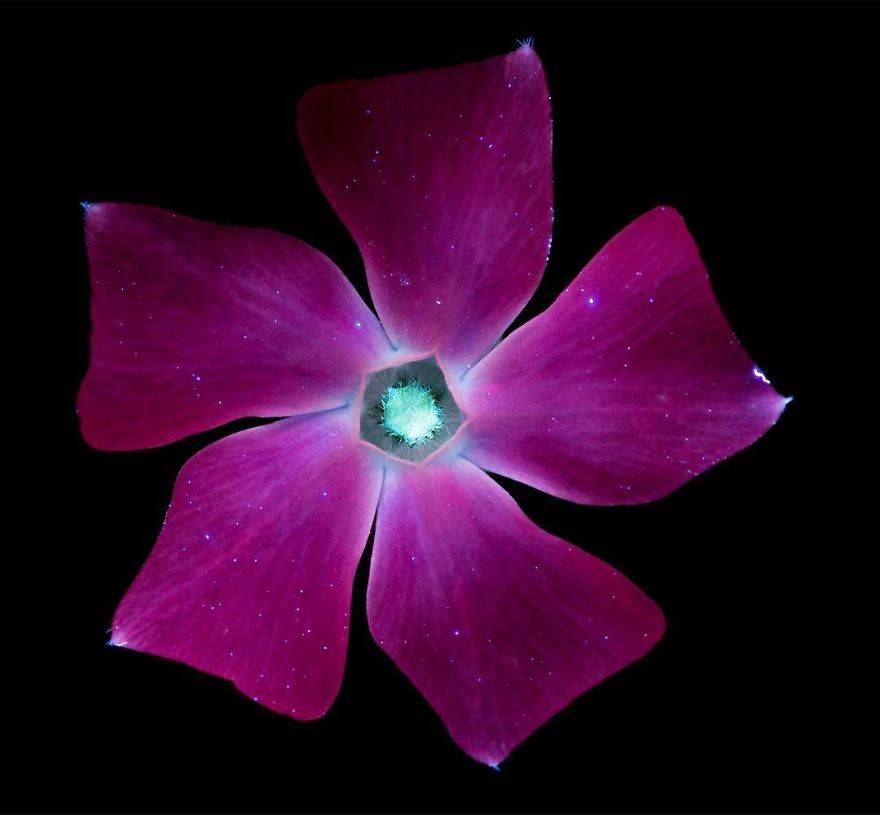
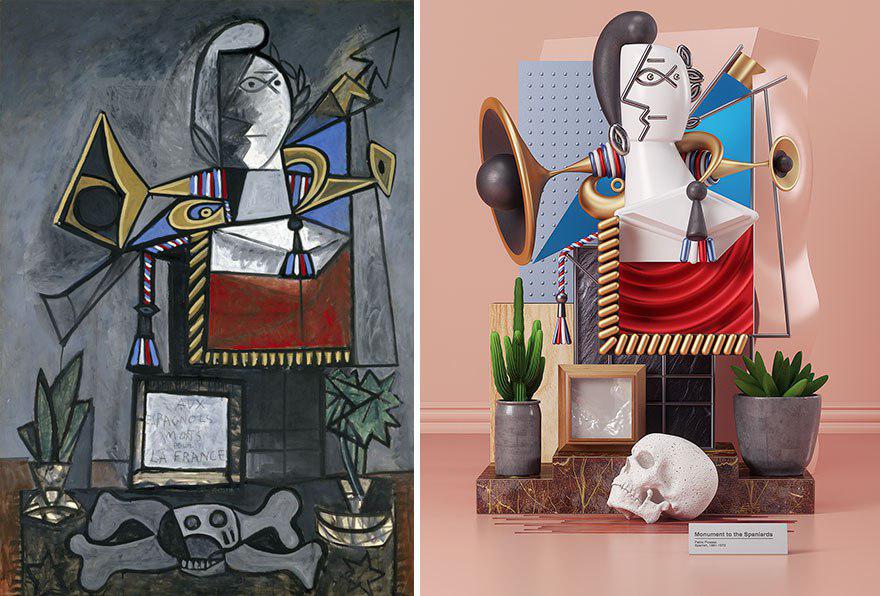
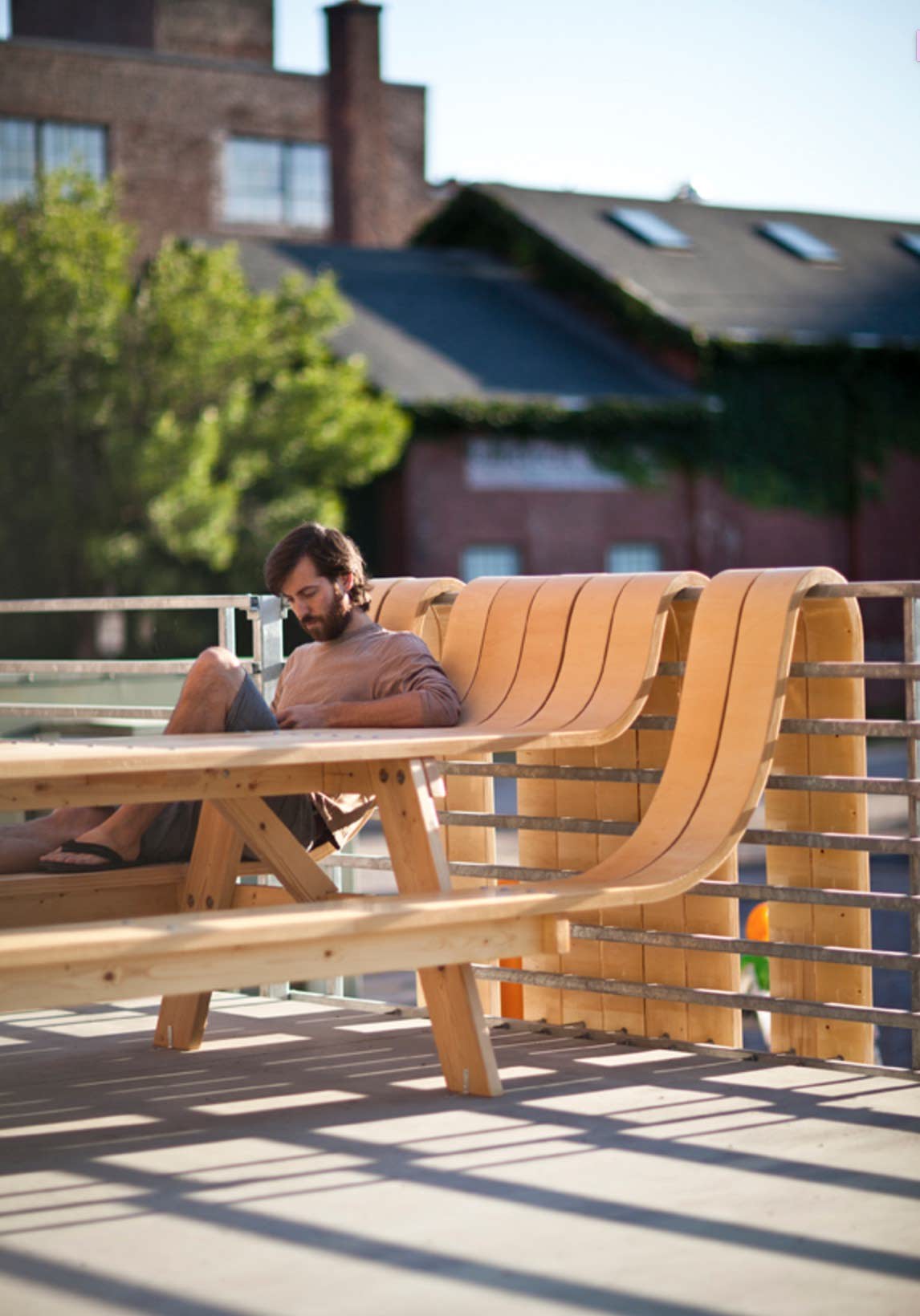
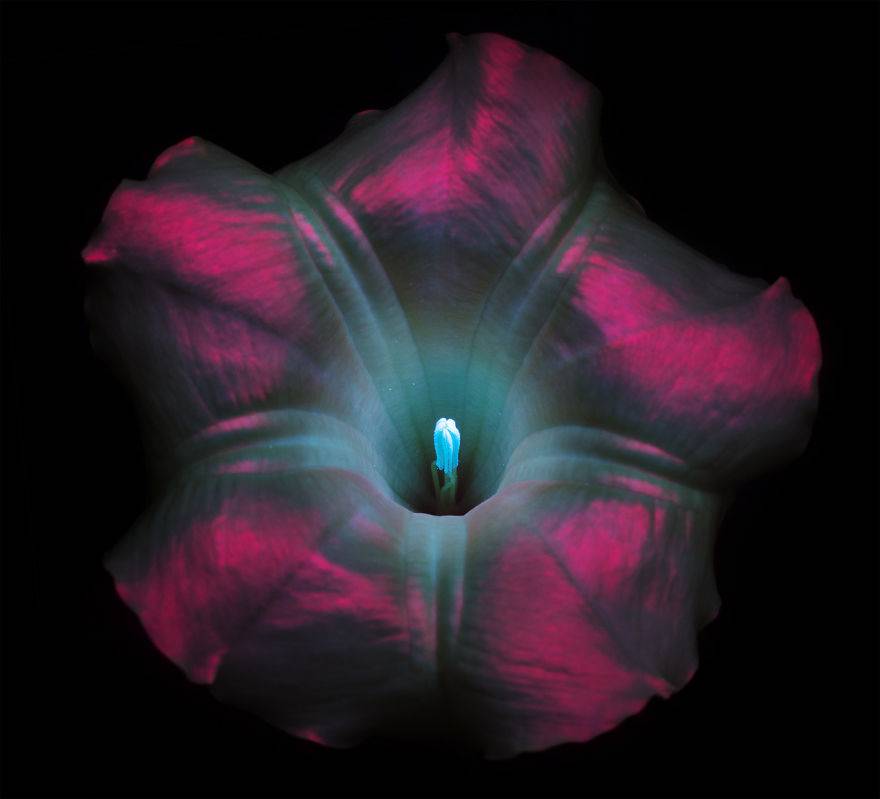
										<content:encoded><![CDATA[<h2 style="text-align: center">every once of a while we will put some art pieces, guess a few of them on comment section</h2>

<a href='https://honargardi.com/en/wp-content/uploads/sites/2/2017/04/photo_2017-04-12_18-22-24-2.jpg'><img loading="lazy" decoding="async" width="200" height="200" src="https://honargardi.com/en/wp-content/uploads/sites/2/2017/04/photo_2017-04-12_18-22-24-2-200x200.jpg" class="attachment-thumbnail size-thumbnail" alt="Side-by-side comparison of a Cubist portrait painting and a 3D still-life photograph recreating its forms with a metallic mannequin head and fabric" /></a>
<a href='https://honargardi.com/en/wp-content/uploads/sites/2/2017/04/I-make-flowers-glow-to-photograph-their-invisible-light-58eb68ff083ba__880.jpg'><img loading="lazy" decoding="async" width="200" height="200" src="https://honargardi.com/en/wp-content/uploads/sites/2/2017/04/I-make-flowers-glow-to-photograph-their-invisible-light-58eb68ff083ba__880-200x200.jpg" class="attachment-thumbnail size-thumbnail" alt="UV fluorescence photograph of a daisy-like flower, glowing in inverted colors against a black background" /></a>
<a href='https://honargardi.com/en/wp-content/uploads/sites/2/2017/04/photo_2017-04-12_18-22-24-3.jpg'><img loading="lazy" decoding="async" width="200" height="200" src="https://honargardi.com/en/wp-content/uploads/sites/2/2017/04/photo_2017-04-12_18-22-24-3-200x200.jpg" class="attachment-thumbnail size-thumbnail" alt="Side-by-side comparison of a Cubist painting of a seated figure and a 3D still-life photograph recreating its shapes and colors" /></a>
<a href='https://honargardi.com/en/wp-content/uploads/sites/2/2017/04/Bee-Balm-4-Small-58e950b4a5831__880.jpg'><img loading="lazy" decoding="async" width="200" height="200" src="https://honargardi.com/en/wp-content/uploads/sites/2/2017/04/Bee-Balm-4-Small-58e950b4a5831__880-200x200.jpg" class="attachment-thumbnail size-thumbnail" alt="UV fluorescence photograph of a bee balm flower, glowing in inverted colors against a black background" /></a>
<a href='https://honargardi.com/en/wp-content/uploads/sites/2/2017/04/photo_2017-04-12_18-22-24.jpg'><img loading="lazy" decoding="async" width="200" height="200" src="https://honargardi.com/en/wp-content/uploads/sites/2/2017/04/photo_2017-04-12_18-22-24-200x200.jpg" class="attachment-thumbnail size-thumbnail" alt="Side-by-side comparison of a Cubist painting of an owl-like figure and a 3D sculptural recreation of its geometric forms" /></a>
<a href='https://honargardi.com/en/wp-content/uploads/sites/2/2017/04/photo_2017-04-12_18-22-23.jpg'><img loading="lazy" decoding="async" width="200" height="200" src="https://honargardi.com/en/wp-content/uploads/sites/2/2017/04/photo_2017-04-12_18-22-23-200x200.jpg" class="attachment-thumbnail size-thumbnail" alt="Side-by-side comparison of a sketched profile portrait and a 3D wire-mesh sculptural recreation of the same face" /></a>
<a href='https://honargardi.com/en/wp-content/uploads/sites/2/2017/04/Dandelion-Top-2-small-58e951ef44254__880.jpg'><img loading="lazy" decoding="async" width="200" height="200" src="https://honargardi.com/en/wp-content/uploads/sites/2/2017/04/Dandelion-Top-2-small-58e951ef44254__880-200x200.jpg" class="attachment-thumbnail size-thumbnail" alt="UV fluorescence photograph of a dandelion flower head, glowing in inverted colors against a black background" /></a>
<a href='https://honargardi.com/en/wp-content/uploads/sites/2/2017/04/JuxtapozMichaelBeitz09.jpg'><img loading="lazy" decoding="async" width="200" height="200" src="https://honargardi.com/en/wp-content/uploads/sites/2/2017/04/JuxtapozMichaelBeitz09-200x200.jpg" class="attachment-thumbnail size-thumbnail" alt="Aerial view of curved wooden sculptural benches by Michael Beitz installed in a park near a brick building" /></a>
<a href='https://honargardi.com/en/wp-content/uploads/sites/2/2017/04/JuxtapozMichaelBeitz08.jpg'><img loading="lazy" decoding="async" width="200" height="200" src="https://honargardi.com/en/wp-content/uploads/sites/2/2017/04/JuxtapozMichaelBeitz08-200x200.jpg" class="attachment-thumbnail size-thumbnail" alt="Nighttime view of a large twisted green ribbon sculpture by Michael Beitz with people gathered at picnic tables under string lights" /></a>
<a href='https://honargardi.com/en/wp-content/uploads/sites/2/2017/04/Plains-Coreopsis-Pair-2-Small-58e950bacf479__880.jpg'><img loading="lazy" decoding="async" width="200" height="200" src="https://honargardi.com/en/wp-content/uploads/sites/2/2017/04/Plains-Coreopsis-Pair-2-Small-58e950bacf479__880-200x200.jpg" class="attachment-thumbnail size-thumbnail" alt="UV fluorescence photograph of a Plains Coreopsis flower pair, glowing in inverted colors against a black background" /></a>
<a href='https://honargardi.com/en/wp-content/uploads/sites/2/2017/04/photo_2017-04-12_18-22-22.jpg'><img loading="lazy" decoding="async" width="200" height="200" src="https://honargardi.com/en/wp-content/uploads/sites/2/2017/04/photo_2017-04-12_18-22-22-200x200.jpg" class="attachment-thumbnail size-thumbnail" alt="Pablo Picasso | Omar Aqil" /></a>
<a href='https://honargardi.com/en/wp-content/uploads/sites/2/2017/04/Mountain-Lilac-4-s-58e94fe9e501a__880.jpg'><img loading="lazy" decoding="async" width="200" height="200" src="https://honargardi.com/en/wp-content/uploads/sites/2/2017/04/Mountain-Lilac-4-s-58e94fe9e501a__880-200x200.jpg" class="attachment-thumbnail size-thumbnail" alt="UV fluorescence photograph of a mountain lilac cluster, glowing in inverted colors against a black background" /></a>
<a href='https://honargardi.com/en/wp-content/uploads/sites/2/2017/04/Ornamental-pear-2-s-58e94fe533383__880.jpg'><img loading="lazy" decoding="async" width="200" height="200" src="https://honargardi.com/en/wp-content/uploads/sites/2/2017/04/Ornamental-pear-2-s-58e94fe533383__880-200x200.jpg" class="attachment-thumbnail size-thumbnail" alt="UV fluorescence photograph of an ornamental pear blossom, glowing in inverted colors against a black background" /></a>
<a href='https://honargardi.com/en/wp-content/uploads/sites/2/2017/04/JuxtapozMichaelBeitz07.jpg'><img loading="lazy" decoding="async" width="200" height="200" src="https://honargardi.com/en/wp-content/uploads/sites/2/2017/04/JuxtapozMichaelBeitz07-200x200.jpg" class="attachment-thumbnail size-thumbnail" alt="Large twisted green ribbon sculpture by Michael Beitz in a park setting, seen in daylight" /></a>
<a href='https://honargardi.com/en/wp-content/uploads/sites/2/2017/04/I-make-flowers-glow-to-photograph-their-invisible-light-58eb68e4edca5__880.jpg'><img loading="lazy" decoding="async" width="200" height="200" src="https://honargardi.com/en/wp-content/uploads/sites/2/2017/04/I-make-flowers-glow-to-photograph-their-invisible-light-58eb68e4edca5__880-200x200.jpg" class="attachment-thumbnail size-thumbnail" alt="UV fluorescence photograph of a five-petaled flower, glowing in inverted colors against a black background" /></a>
<a href='https://honargardi.com/en/wp-content/uploads/sites/2/2017/04/photo_2017-04-12_18-22-23-2.jpg'><img loading="lazy" decoding="async" width="200" height="200" src="https://honargardi.com/en/wp-content/uploads/sites/2/2017/04/photo_2017-04-12_18-22-23-2-200x200.jpg" class="attachment-thumbnail size-thumbnail" alt="Side-by-side comparison of a Cubist painting of a seated figure with a trumpet and skull, and a 3D still-life photograph recreating the same objects" /></a>
<a href='https://honargardi.com/en/wp-content/uploads/sites/2/2017/04/JuxtapozMichaelBeitz11.jpg'><img loading="lazy" decoding="async" width="200" height="200" src="https://honargardi.com/en/wp-content/uploads/sites/2/2017/04/JuxtapozMichaelBeitz11-200x200.jpg" class="attachment-thumbnail size-thumbnail" alt="Wooden bench-and-table sculpture by Michael Beitz with a man seated at it outdoors near a brick building" /></a>
<a href='https://honargardi.com/en/wp-content/uploads/sites/2/2017/04/I-make-flowers-glow-to-photograph-their-invisible-light-58eb68fbb0444__880.jpg'><img loading="lazy" decoding="async" width="200" height="200" src="https://honargardi.com/en/wp-content/uploads/sites/2/2017/04/I-make-flowers-glow-to-photograph-their-invisible-light-58eb68fbb0444__880-200x200.jpg" class="attachment-thumbnail size-thumbnail" alt="UV fluorescence photograph of a trumpet-shaped flower, glowing in inverted colors against a black background" /></a>
<a href='https://honargardi.com/en/wp-content/uploads/sites/2/2017/04/JuxtapozMichaelBeitz06-scaled.jpg'><img loading="lazy" decoding="async" width="200" height="200" src="https://honargardi.com/en/wp-content/uploads/sites/2/2017/04/JuxtapozMichaelBeitz06-scaled-200x200.jpg" class="attachment-thumbnail size-thumbnail" alt="Two people seated at opposite ends of a curved, wave-shaped table, from &#039;The Avoid Conversation Table&#039; by Michael Beitz" /></a>
<a href='https://honargardi.com/en/wp-content/uploads/sites/2/2017/04/photo_2017-04-12_18-22-25.jpg'><img loading="lazy" decoding="async" width="200" height="200" src="https://honargardi.com/en/wp-content/uploads/sites/2/2017/04/photo_2017-04-12_18-22-25-200x200.jpg" class="attachment-thumbnail size-thumbnail" alt="Styled room with framed abstract artworks and white sculptural busts arranged around a wooden table and easels" /></a>
<a href='https://honargardi.com/en/wp-content/uploads/sites/2/2017/04/JuxtapozMichaelBeitz12.jpg'><img loading="lazy" decoding="async" width="200" height="200" src="https://honargardi.com/en/wp-content/uploads/sites/2/2017/04/JuxtapozMichaelBeitz12-200x200.jpg" class="attachment-thumbnail size-thumbnail" alt="Teal sculptural picnic table with a curved, wave-like bench by Michael Beitz, installed outdoors" /></a>
<a href='https://honargardi.com/en/wp-content/uploads/sites/2/2017/09/takashi-murakami-artwork.jpg'><img loading="lazy" decoding="async" width="200" height="200" src="https://honargardi.com/en/wp-content/uploads/sites/2/2017/09/takashi-murakami-artwork-200x200.jpg" class="attachment-thumbnail size-thumbnail" alt="Colorful pattern of cartoon flower faces in the style of Takashi Murakami" /></a>
<a href='https://honargardi.com/en/wp-content/uploads/sites/2/2017/04/Anemone-1-s-58e94feeec246__880.jpg'><img loading="lazy" decoding="async" width="200" height="200" src="https://honargardi.com/en/wp-content/uploads/sites/2/2017/04/Anemone-1-s-58e94feeec246__880-200x200.jpg" class="attachment-thumbnail size-thumbnail" alt="Macro photograph of a pink flower with a glowing blue center, from Craig Burrows&#039; photography of invisible light emitted by plants" /></a>
<a href='https://honargardi.com/en/wp-content/uploads/sites/2/2017/04/JuxtapozMichaelBeitz14.jpg'><img loading="lazy" decoding="async" width="200" height="200" src="https://honargardi.com/en/wp-content/uploads/sites/2/2017/04/JuxtapozMichaelBeitz14-200x200.jpg" class="attachment-thumbnail size-thumbnail" alt="Collage of photos showing the construction of a wooden dome sculpture by Michael Beitz, including a figure in a wheelchair" /></a>
<a href='https://honargardi.com/en/wp-content/uploads/sites/2/2017/04/I-make-flowers-glow-to-photograph-their-invisible-light-58eb690bdfd8a__880.jpg'><img loading="lazy" decoding="async" width="200" height="200" src="https://honargardi.com/en/wp-content/uploads/sites/2/2017/04/I-make-flowers-glow-to-photograph-their-invisible-light-58eb690bdfd8a__880-200x200.jpg" class="attachment-thumbnail size-thumbnail" alt="UV fluorescence photograph of a flowering plant, glowing in inverted colors against a black background" /></a>
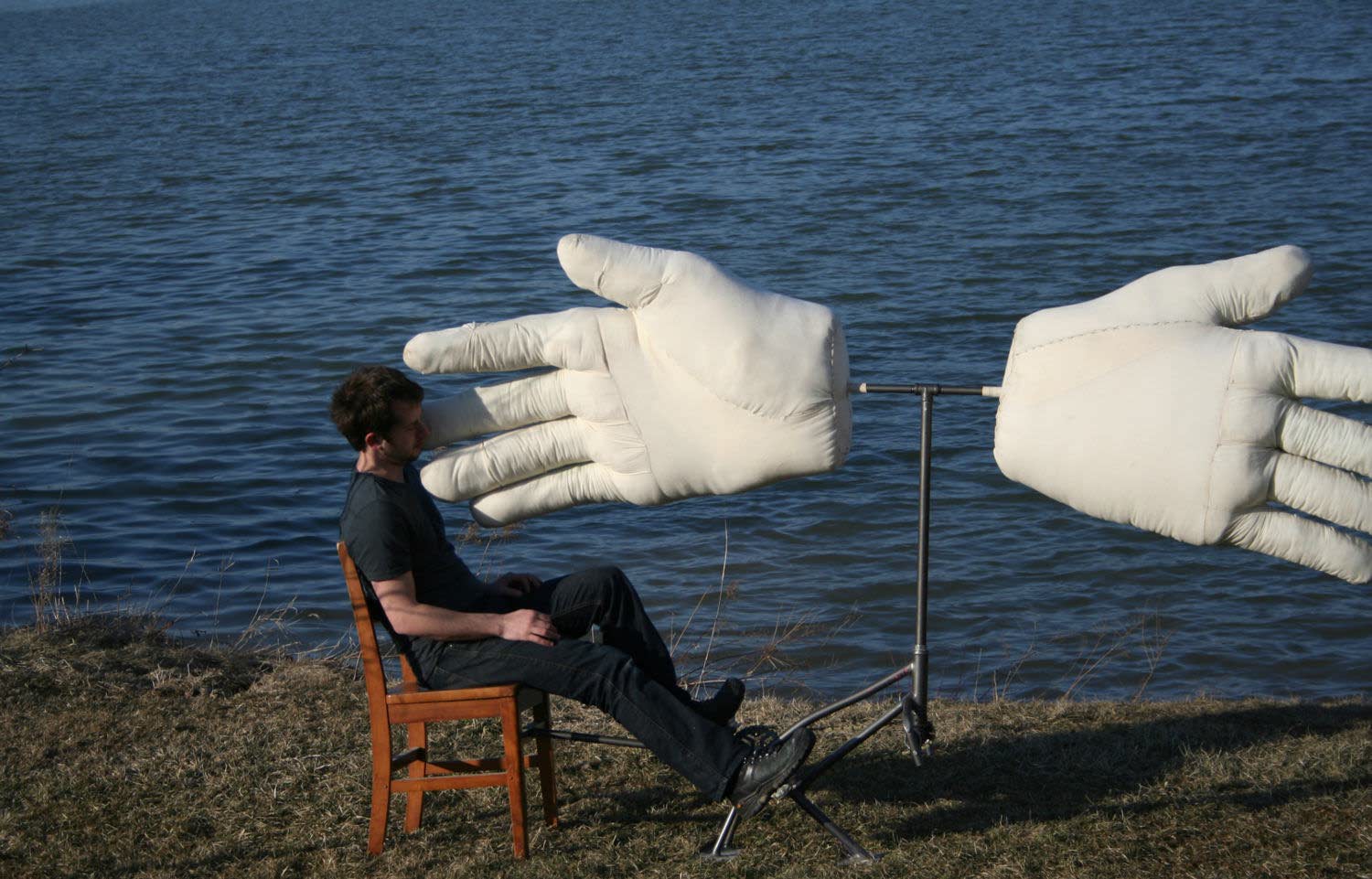
<a href='https://honargardi.com/en/wp-content/uploads/sites/2/2017/04/JuxtapozMichaelBeitz10.jpg'><img loading="lazy" decoding="async" width="200" height="200" src="https://honargardi.com/en/wp-content/uploads/sites/2/2017/04/JuxtapozMichaelBeitz10-200x200.jpg" class="attachment-thumbnail size-thumbnail" alt="Surreal photograph of oversized white glove sculptures reaching toward a man seated by a lake, by Michael Beitz" /></a>

<p>نوشته <a href="https://honargardi.com/en/this-time-of-world/">This time of world</a> اولین بار در <a href="https://honargardi.com/en">Honargardi</a>. پدیدار شد.</p>
]]></content:encoded>
					
					<wfw:commentRss>https://honargardi.com/en/this-time-of-world/feed/</wfw:commentRss>
			<slash:comments>0</slash:comments>
		
		
			</item>
	</channel>
</rss>