
MENART Fair, the Paris fair for modern and contemporary art from the Middle East, North Africa and their diasporas, held its seventh edition from 23 to 25 October 2026 at Galerie Joseph, 116 rue de Turenne, in the 3rd arrondissement, with previews on 22 October. Under the theme Where Is Home?, it brought together 34 exhibitors from 18 countries, according to the fair’s own announcement. Honargardi spoke with two people on site: Tannaz Keshavarzian, director of Galerie Keshavarzian in Paris, about the linocuts of the Iranian artist Mojdeh Atrak, and the Lebanese artist and architect Faour, shown by M|S Gallery of Beirut.
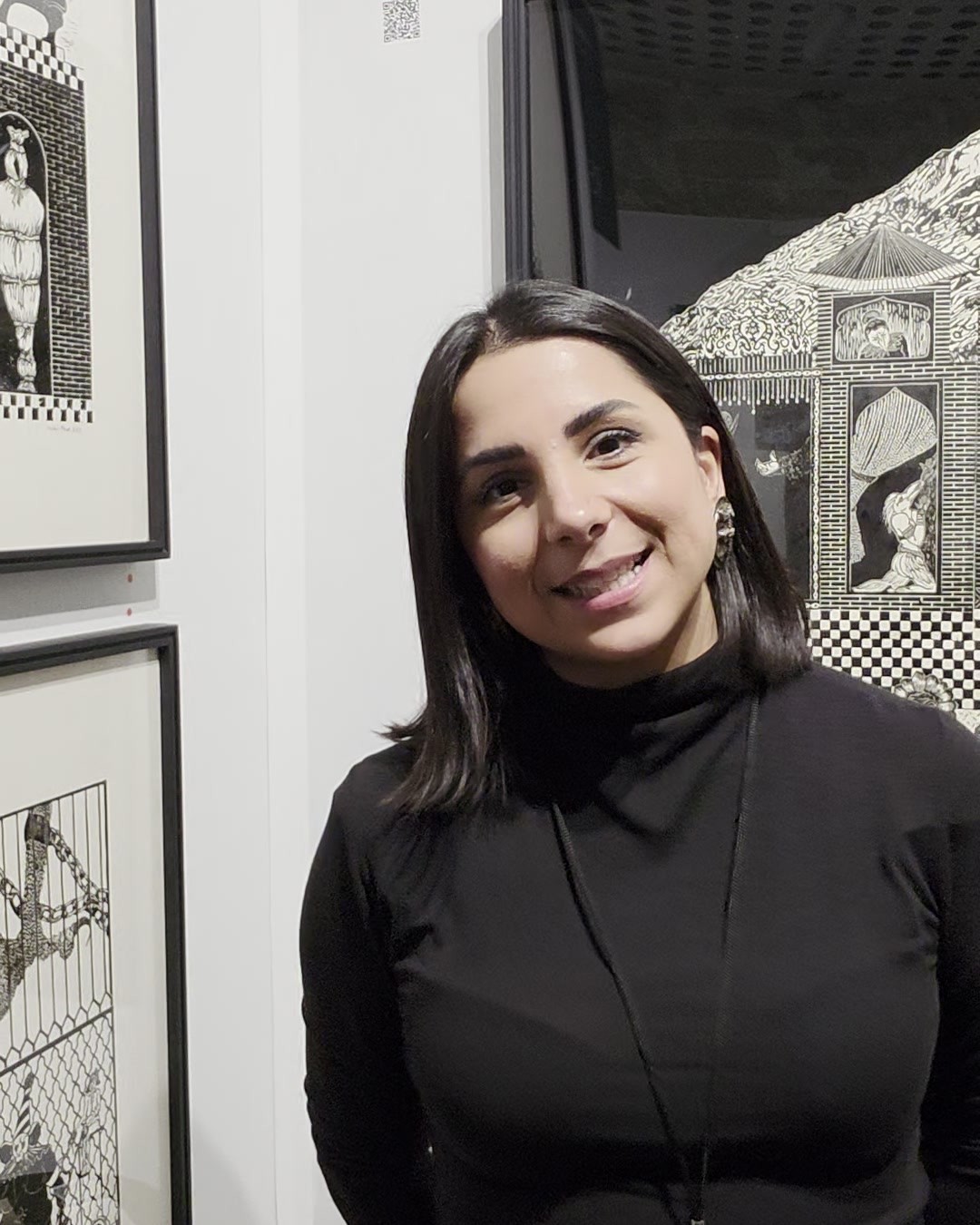
Galerie Keshavarzian: Mojdeh Atrak’s Linocuts
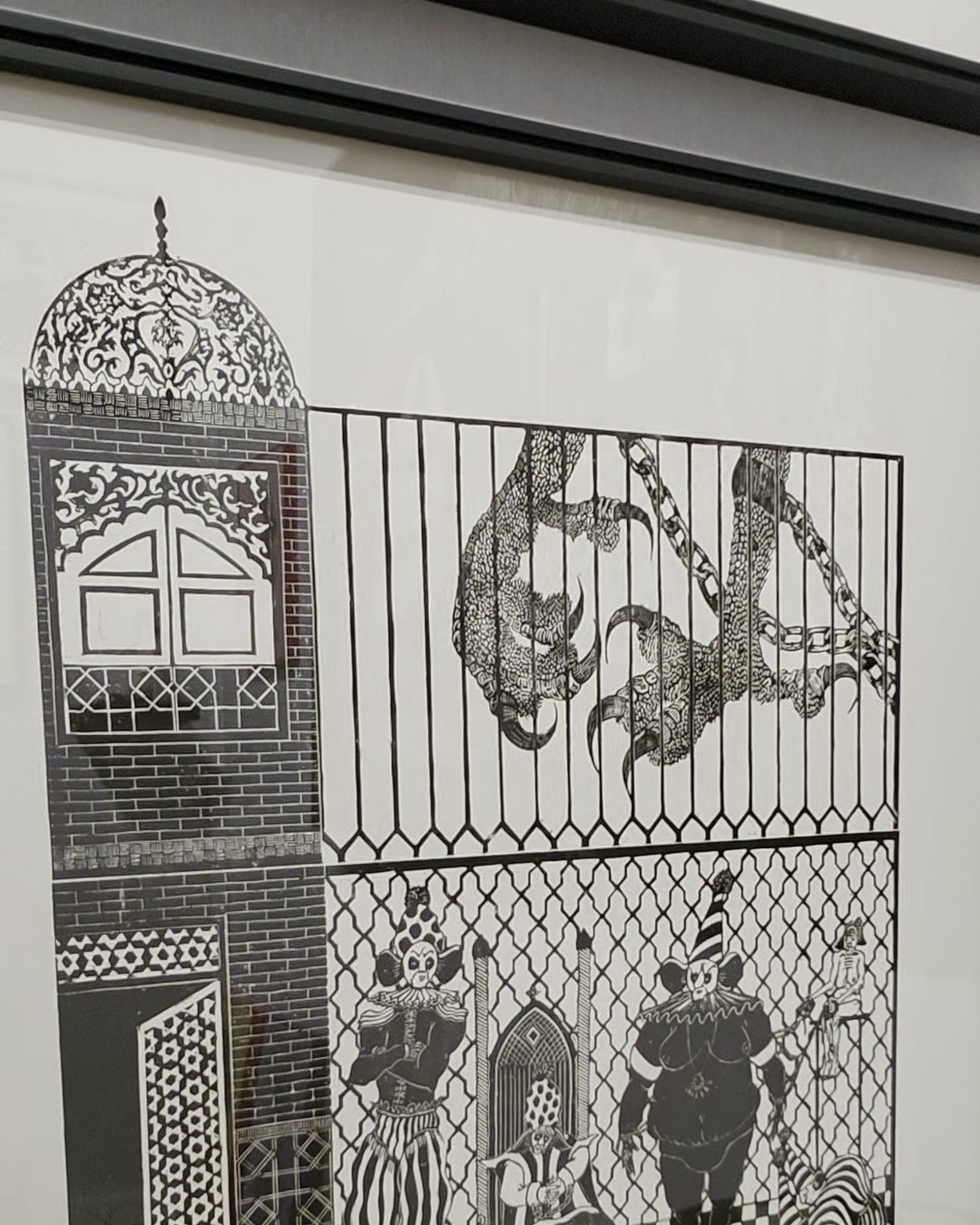
Galerie Keshavarzian presented Mojdeh Atrak (Iran) in the fair’s Revealing Sector, stand R3. Speaking in Persian, Tannaz Keshavarzian explained that linocut is the main technique of the presentation: the images were carved into linoleum and printed. She said the imagery comes from the artist’s imagination and was transferred onto the plates, and she described the collection as very personal.
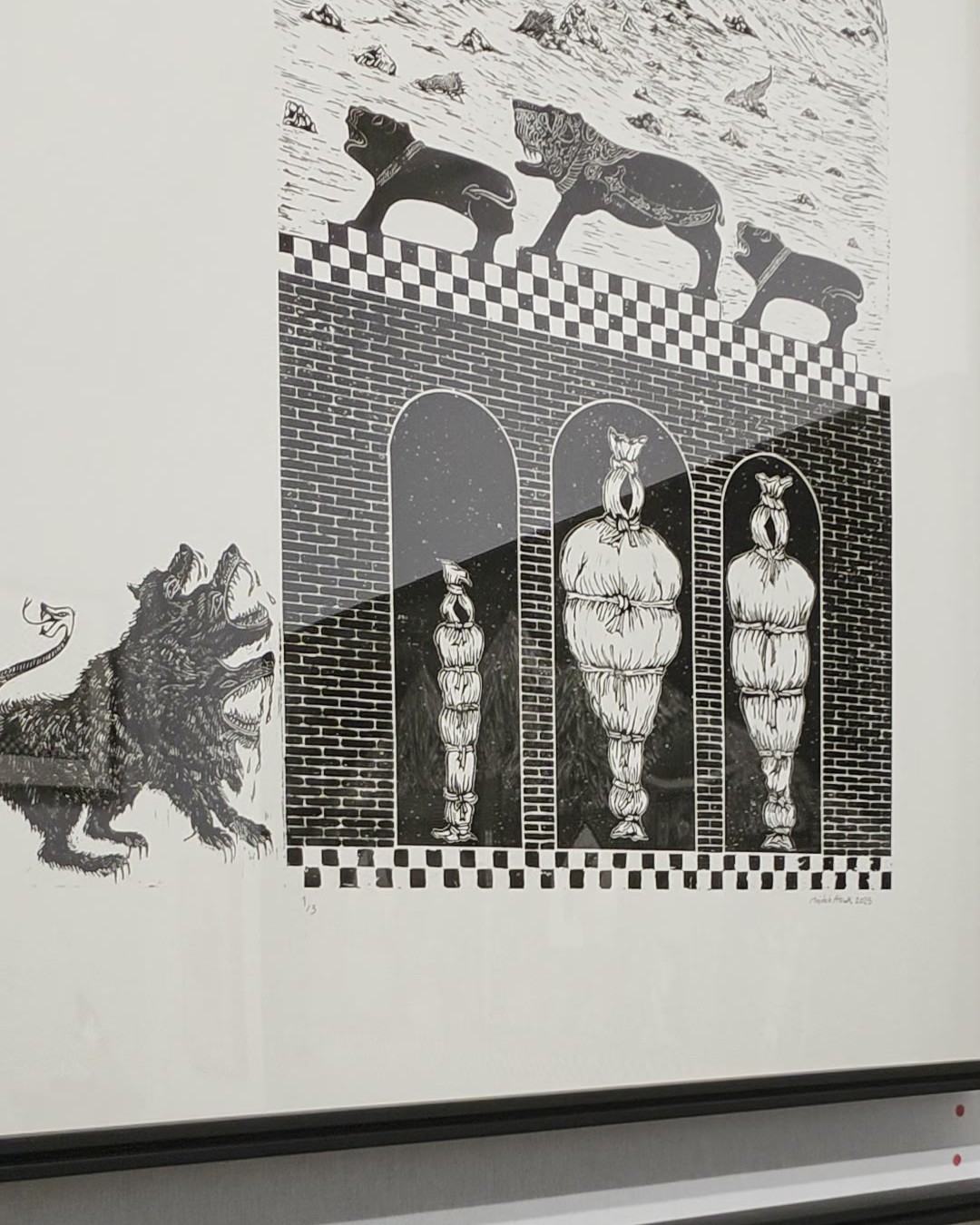
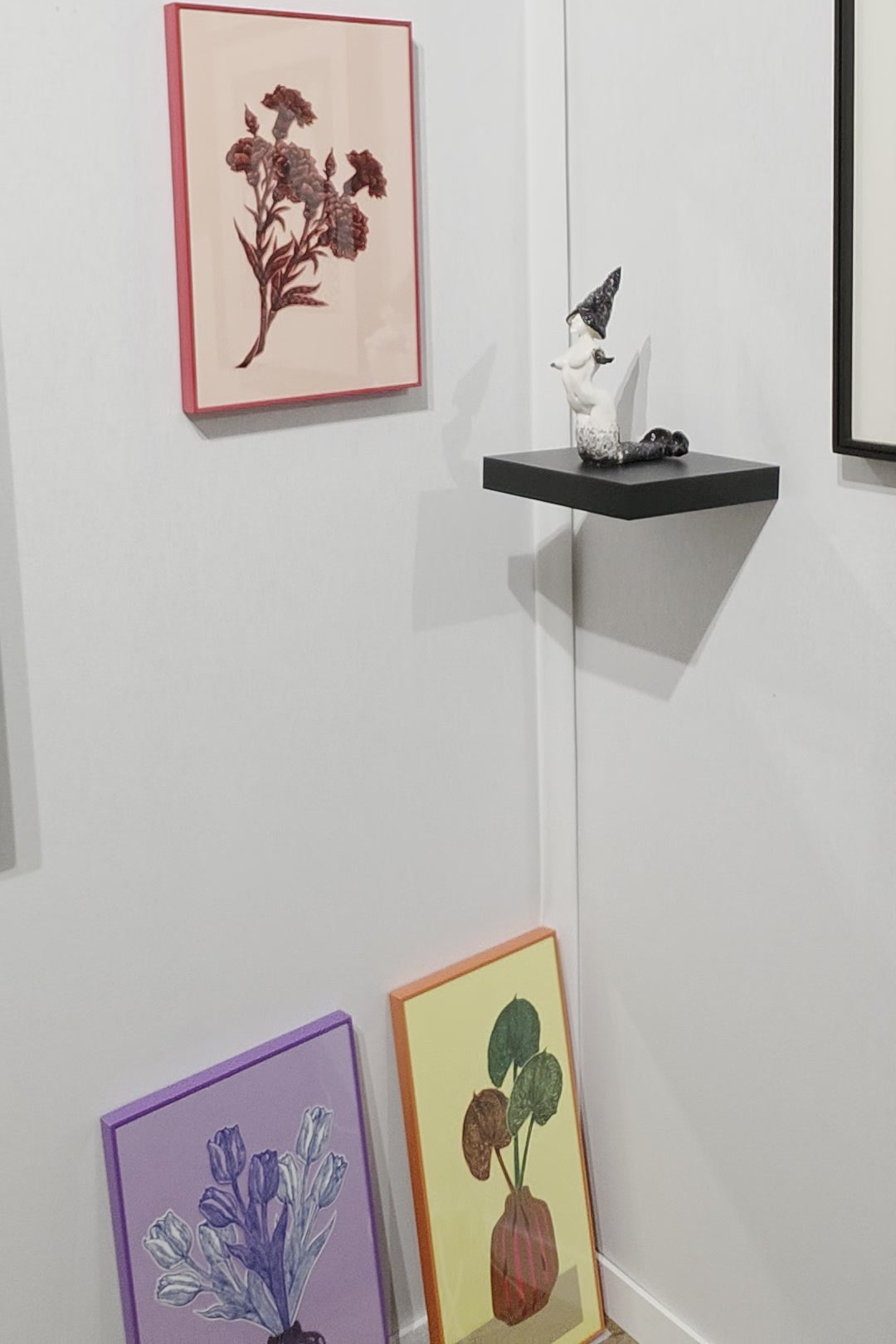
The fair’s page for the gallery lists, among other works, a 2024 linocut on cardboard from the series Be, and it is and a 2025 hand-built glazed ceramic relief, Dance in Infinity #1.
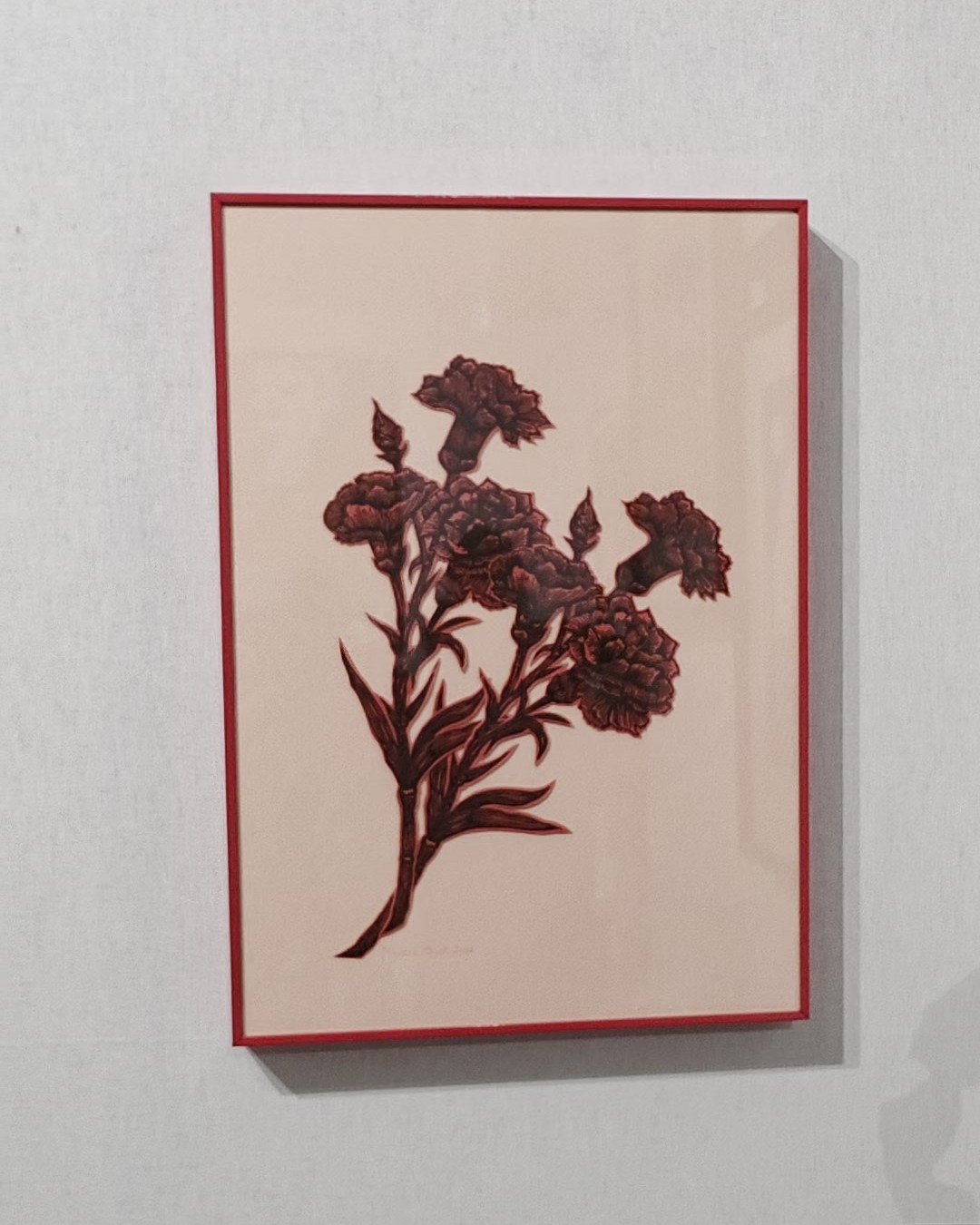
Colour Returns
Most of the works at the stand are black and white, with very little colour, Keshavarzian pointed out. A group of colour works, she said, shows that colour seems to have returned to Mojdeh Atrak’s work.
Linocut and Collage as a Stage Set
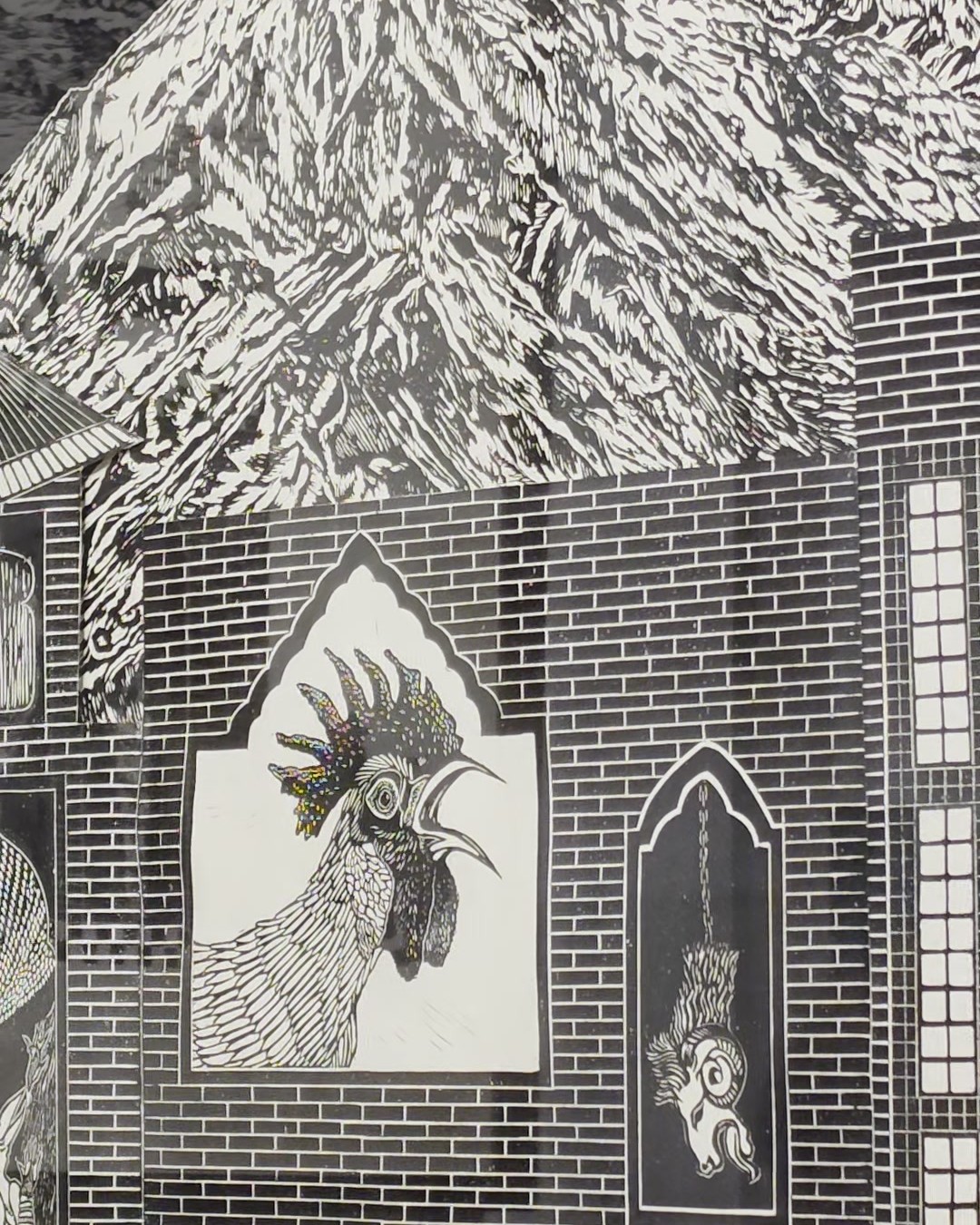
One piece stands apart: a single work that combines two techniques, linocut and collage, which Keshavarzian likened to a stage set. Several linocuts are mounted over one another with gaps between them, which gives the work depth, and the whole is set on black velvet.
M|S Gallery: Faour on Home as Memory
At M|S Gallery, directed by Michel El Daher and Sirine Ghalayini, Faour (Lebanon) shows works on paper, among them ink and acrylic pieces, according to the fair’s page for the gallery (General Sector, stand F1). The wall text at the stand describes Faour as a Lebanese artist and architect, born and raised in southern Lebanon. Speaking in English, he tied his work to the fair’s question of where home is.
Faour grew up in a rural, secluded area, which gave him, as he put it, an outsider’s view of the city and a sensitivity to the amount of stimulation in it. After moving to Beirut to study architecture, he became more and more fascinated by what buildings can say about a place. With time, the city grew overwhelming, and that is what he tries to depict: the duality between living in a dense, overwhelming city and a home that, for him, is nature and landscape — quiet, and the peace of being away from things.
Then came the war. “With the war, I had no more access to a home,” he said. The city began to feel more suffocating, and home “more like a memory rather than a place.” The cityscapes grew denser — he described them as places where “you feel like everything is close to you and you’re sort of being watched” — and alongside them came what he called “dreamy landscapes” that sit next to the “monstrous cityscapes.”
Event Details
Dates: 23–25 October 2026 (previews on 22 October)
Venue: Galerie Joseph, 116 rue de Turenne, 75003 Paris
Theme: Where Is Home?
Founder and director: Laure d’Hauteville
Galerie Keshavarzian (Paris): Revealing Sector, R3 — Mojdeh Atrak
M|S Gallery (Beirut): General Sector, F1 — Faour
Website: menart-fair.com
Text and photographs: Kasra Aliha. Tannaz Keshavarzian spoke in Persian and is paraphrased here; Faour’s words are quoted from the recorded interview in English. Event information is from the fair’s official website.