
Catacaos, Lorenzo Vitturi’s first solo exhibition at 193 Gallery in Paris, opened on Monday 9 November 2026 and runs until 23 December 2026. Built around the poto, a dried calabash, it brings together tapestries, glass sculptures and photographs that follow the artist’s Italian and Peruvian roots through the materials that connect them: Murano glass, Peruvian yarns and wool.
Text and interview: Kasra Aliha. Photographs: Behnood Massoumi.
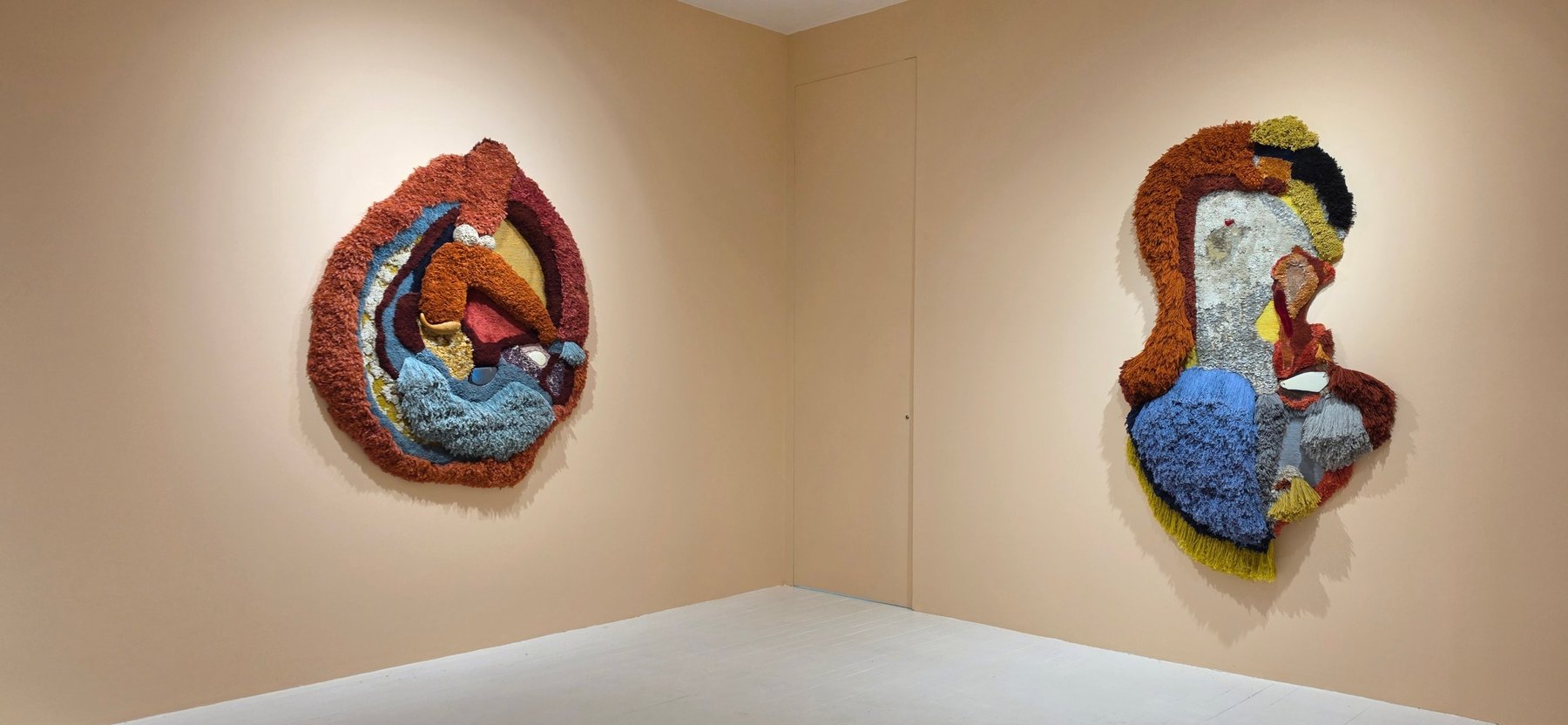
A Journey Guided by a Calabash
Catacaos is a small town in northern Peru. For Vitturi it became the destination of a journey guided by an object that has long fascinated him: the poto, or calabash, a dried gourd traditionally used to serve and share chicha de jora, an ancient fermented corn drink. The object is deeply rooted in local craftsmanship and ritual, and it revealed an unexpected personal connection: according to the gallery, Catacaos was the birthplace of the artist’s great-grandfather.
The exhibition, accompanied by a text by curator and writer Giulia Civardi, brings together photography, sculpture and tapestry and traces personal, cultural and material histories across Italy and Peru, the artist’s two countries of origin. Vitturi, who was born in Venice in 1980 and is based between London and Venice, works with Murano glass and beads, Peruvian yarns, Jesmonite and other materials that are continually reconfigured, stitched, assembled and transformed.
The main connection between these three different mediums is, first of all, a narrative connection. It is the story that links the materials.
Lorenzo Vitturi
The three media follow the three rooms of the gallery.
First Room: Tapestries Knotted in India, Finished in Murano
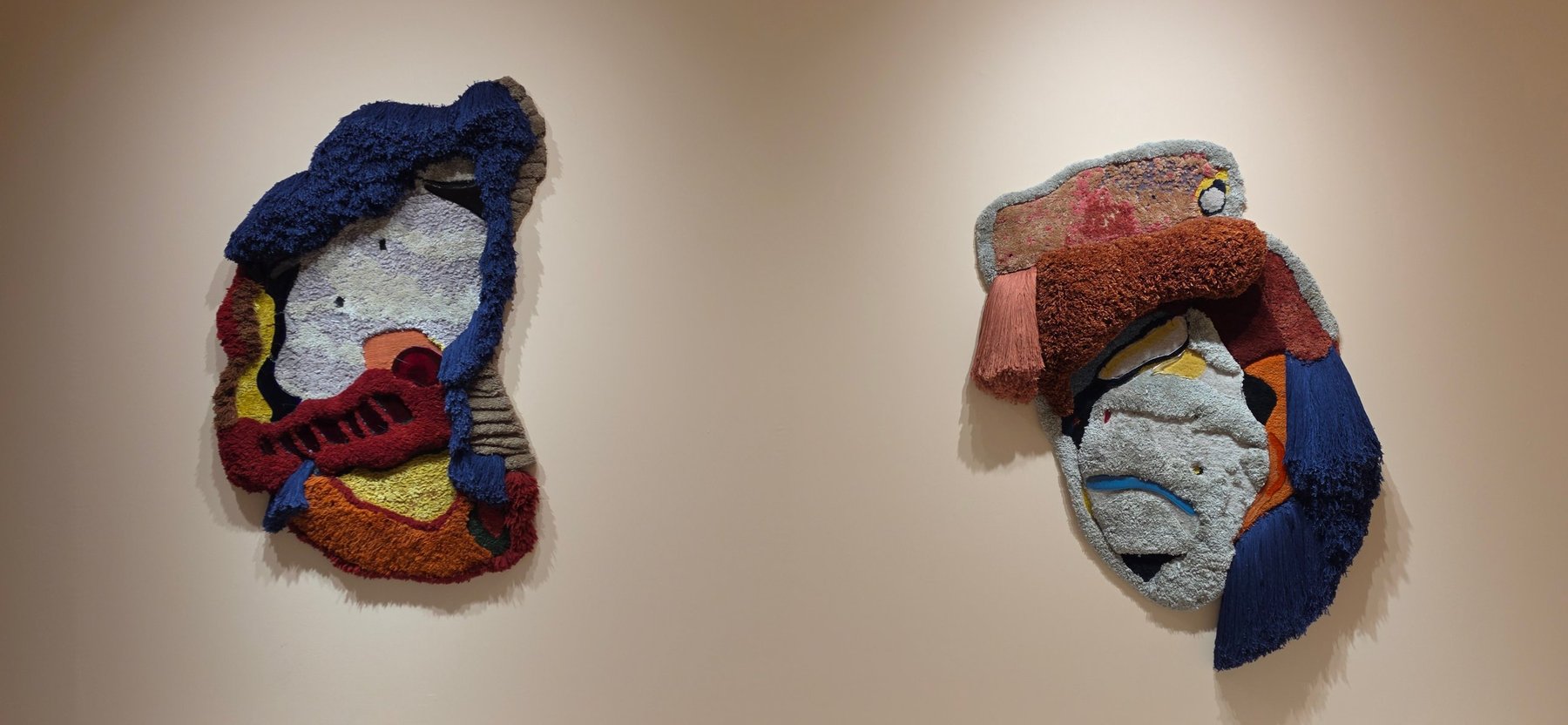
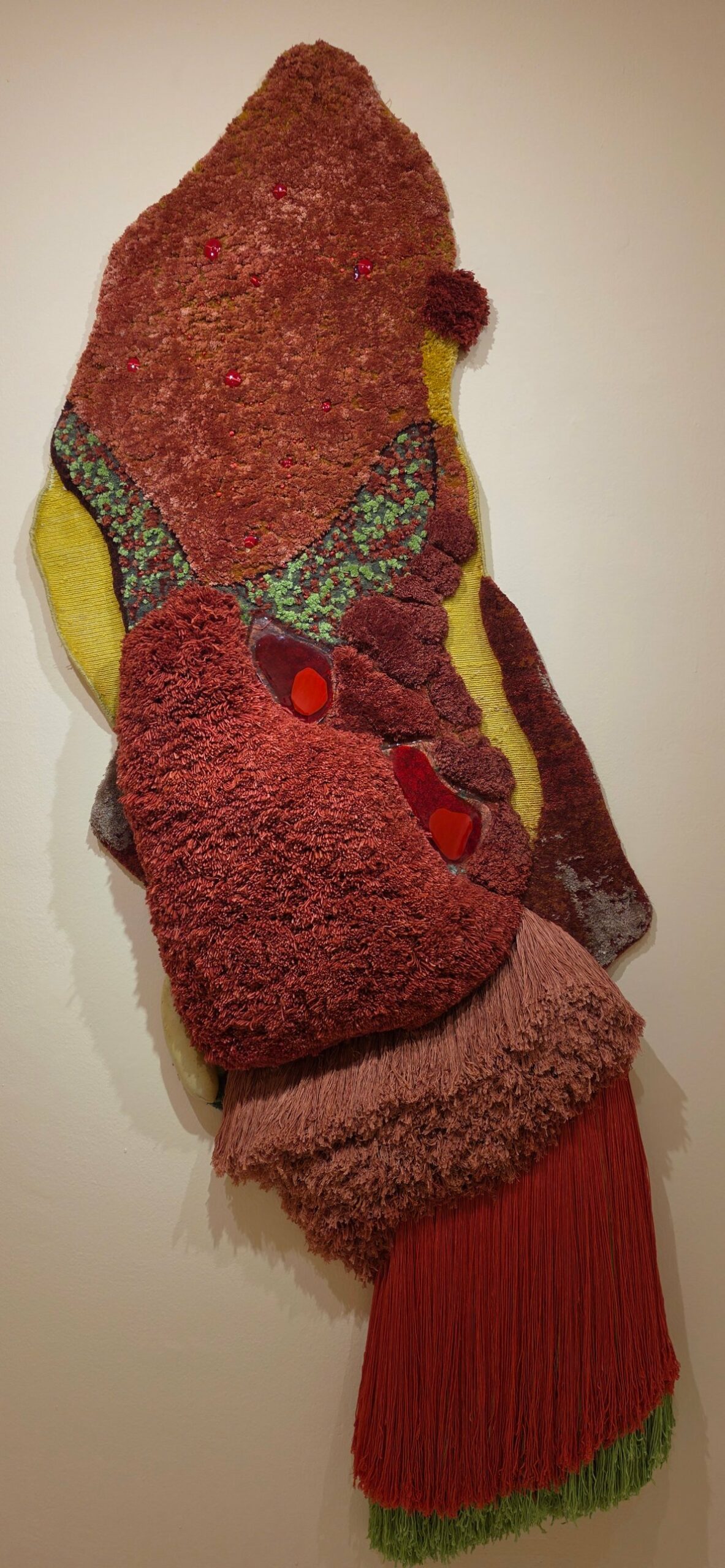
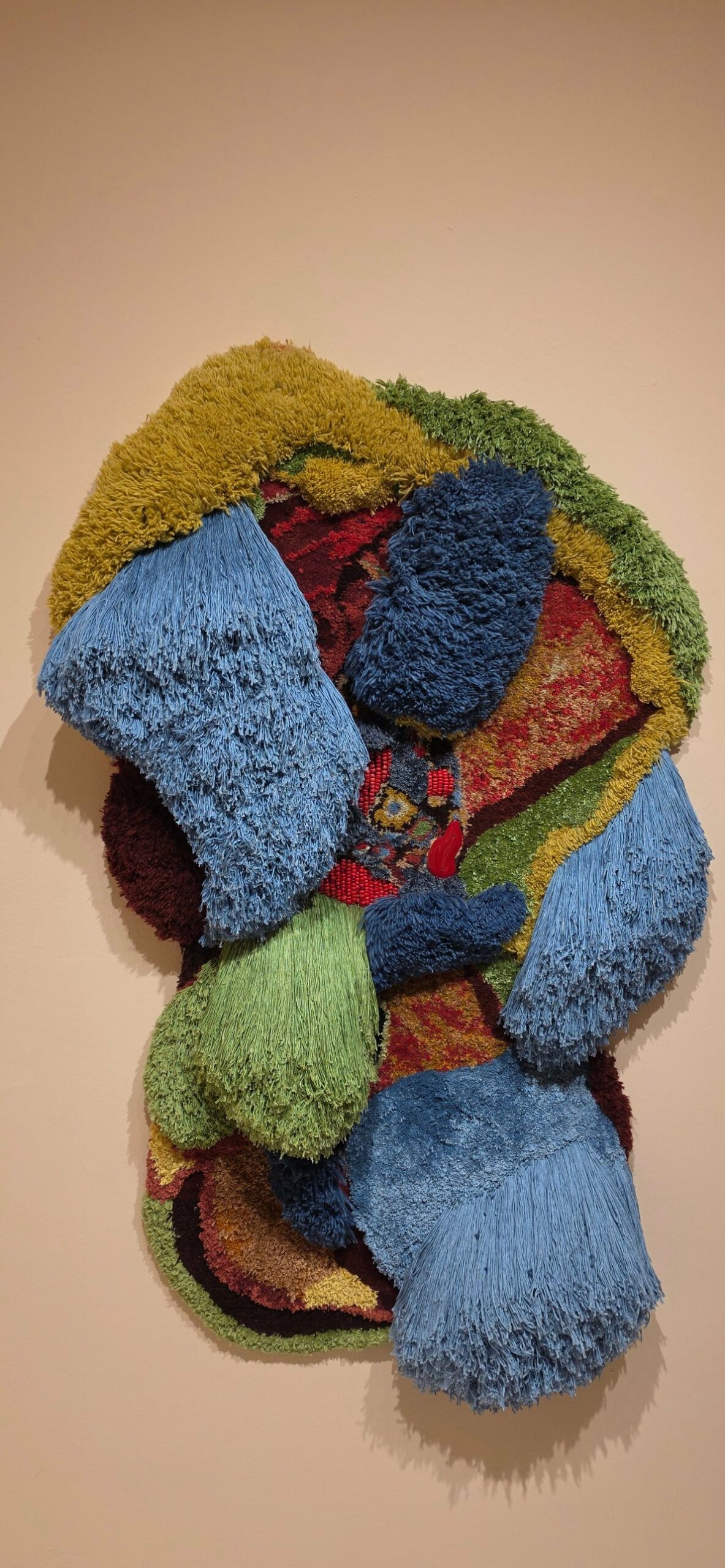
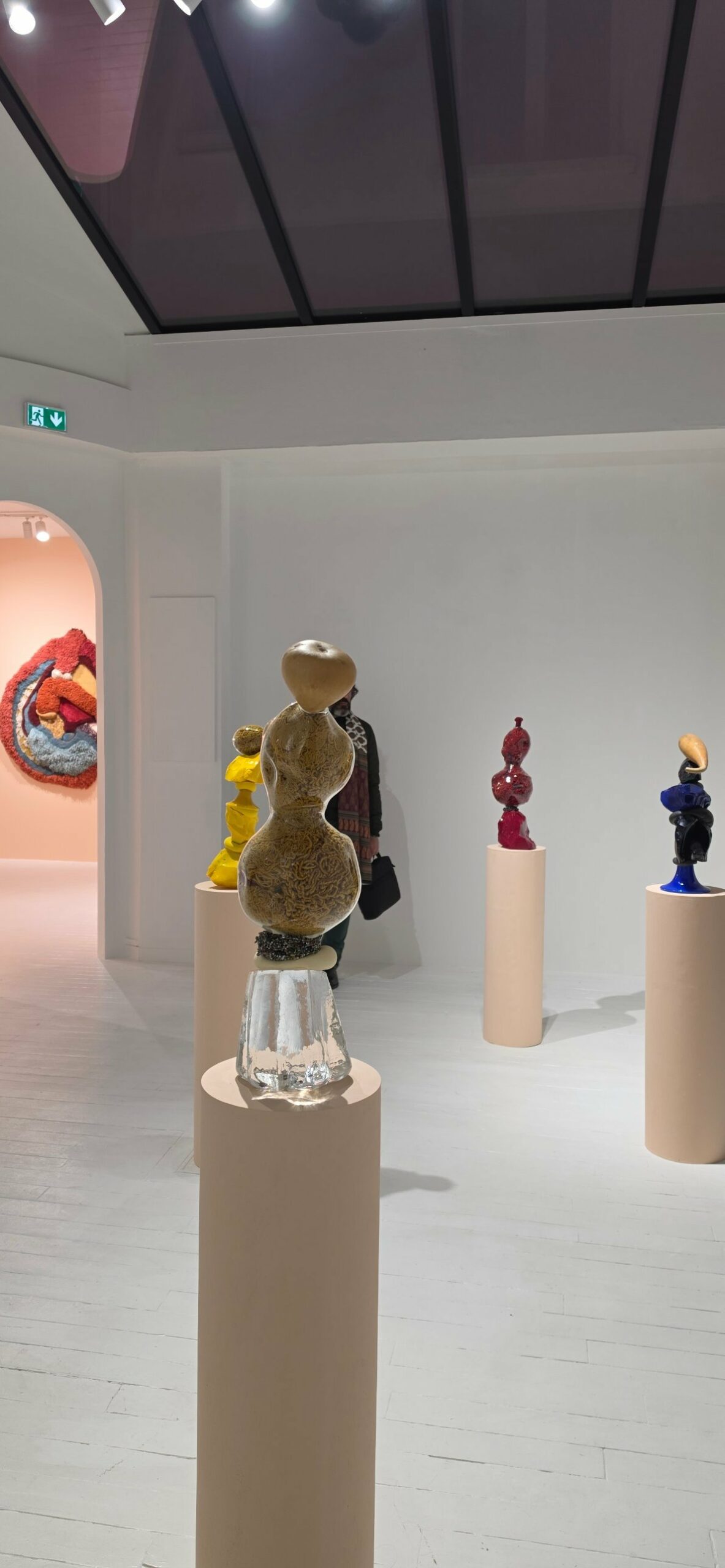
In the first room, the sinuous outline of the calabash takes shape in monumental tapestries. According to the wall text, they were knotted in wool and plant silk by artisans of the Jaipur Rugs Foundation and enriched with Murano glass, bringing together distinct traditions and geographies. Vitturi told Honargardi that the tapestries were made in India and finished in his studio in Murano, and that here the textile holds the glass.
Second Room: Glass That Holds Yarn
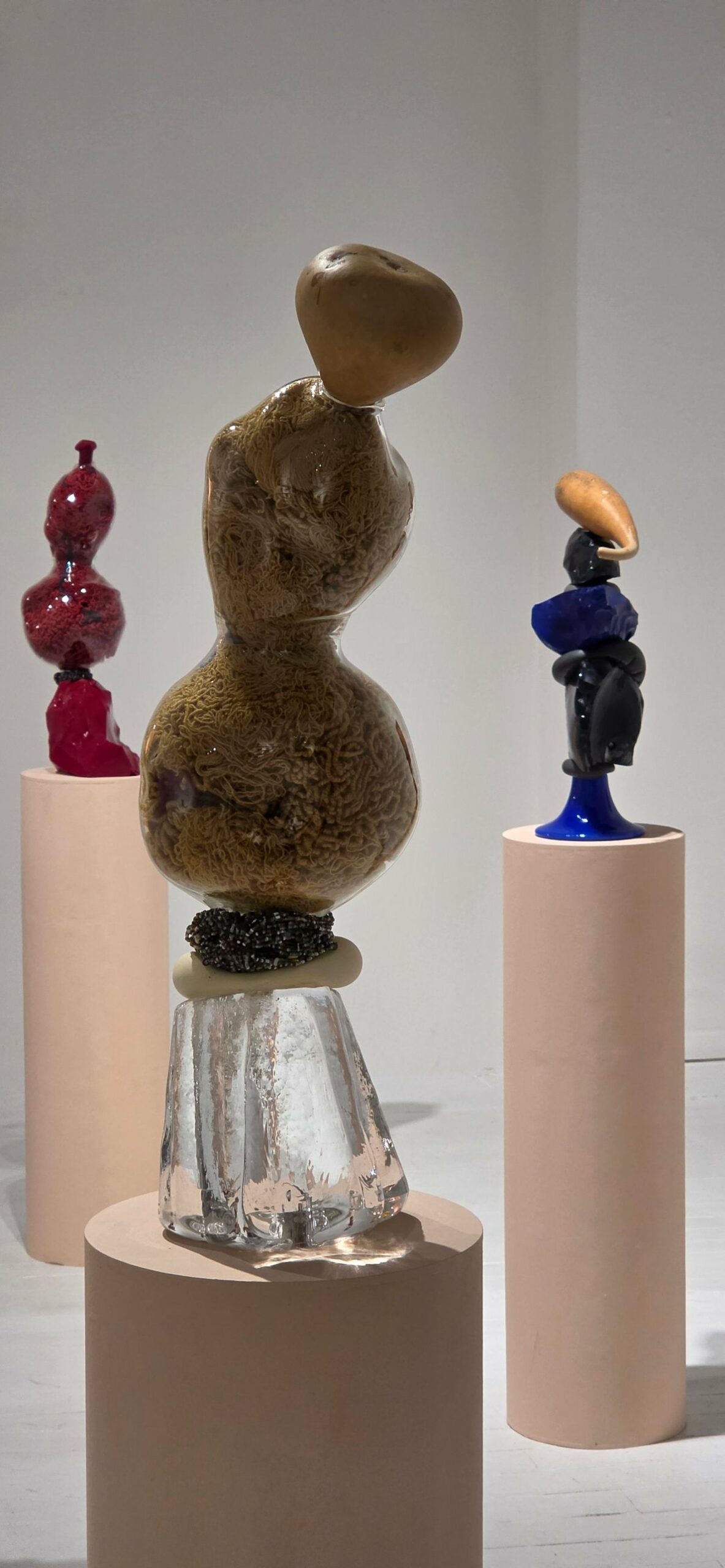
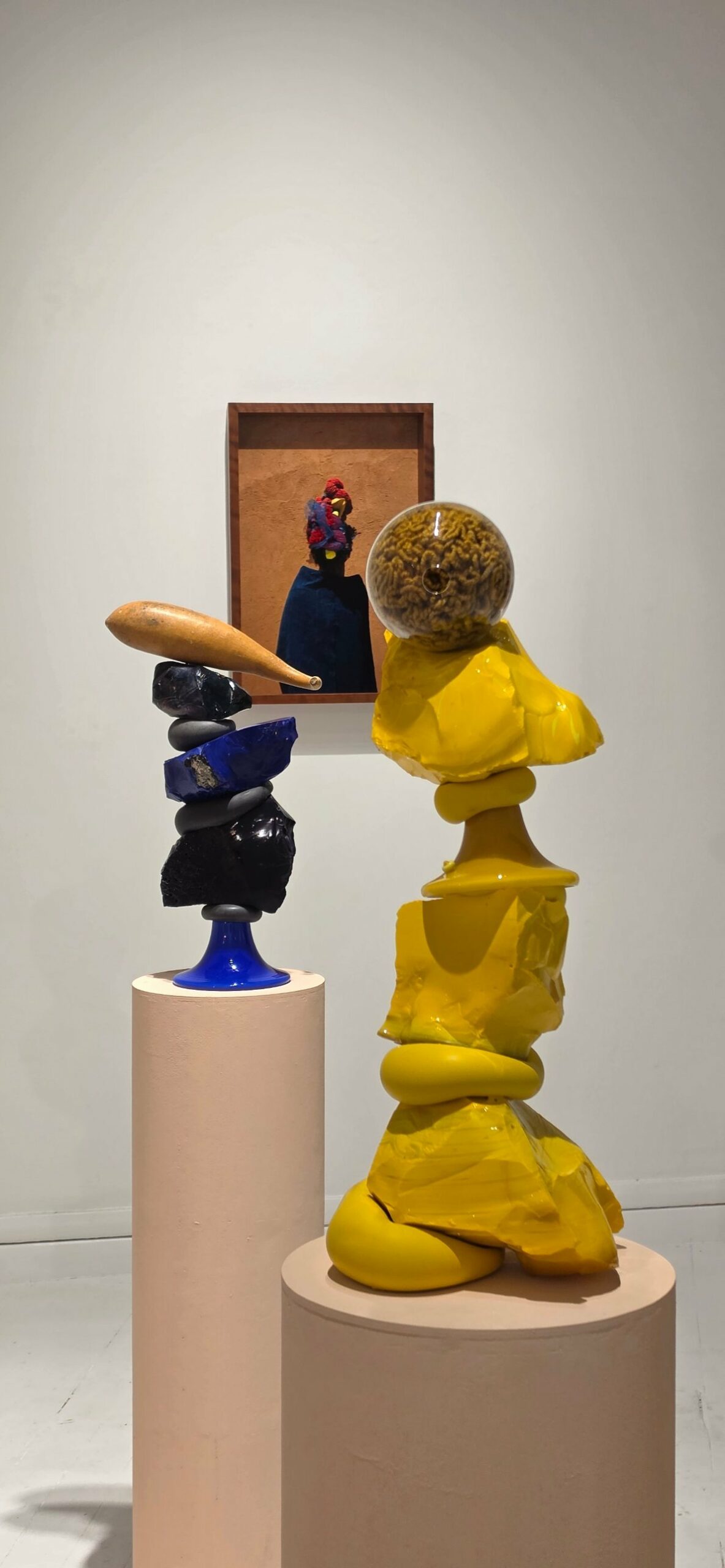
The second room reverses the relationship. Totemic glass sculptures titled Combinado enclose Peruvian yarns: here the raw Murano glass contains the textile, “exactly the opposite” of the tapestries, Vitturi said. The wall text links the sculptures to the Andean apachetas, the ritual offerings left by travellers.
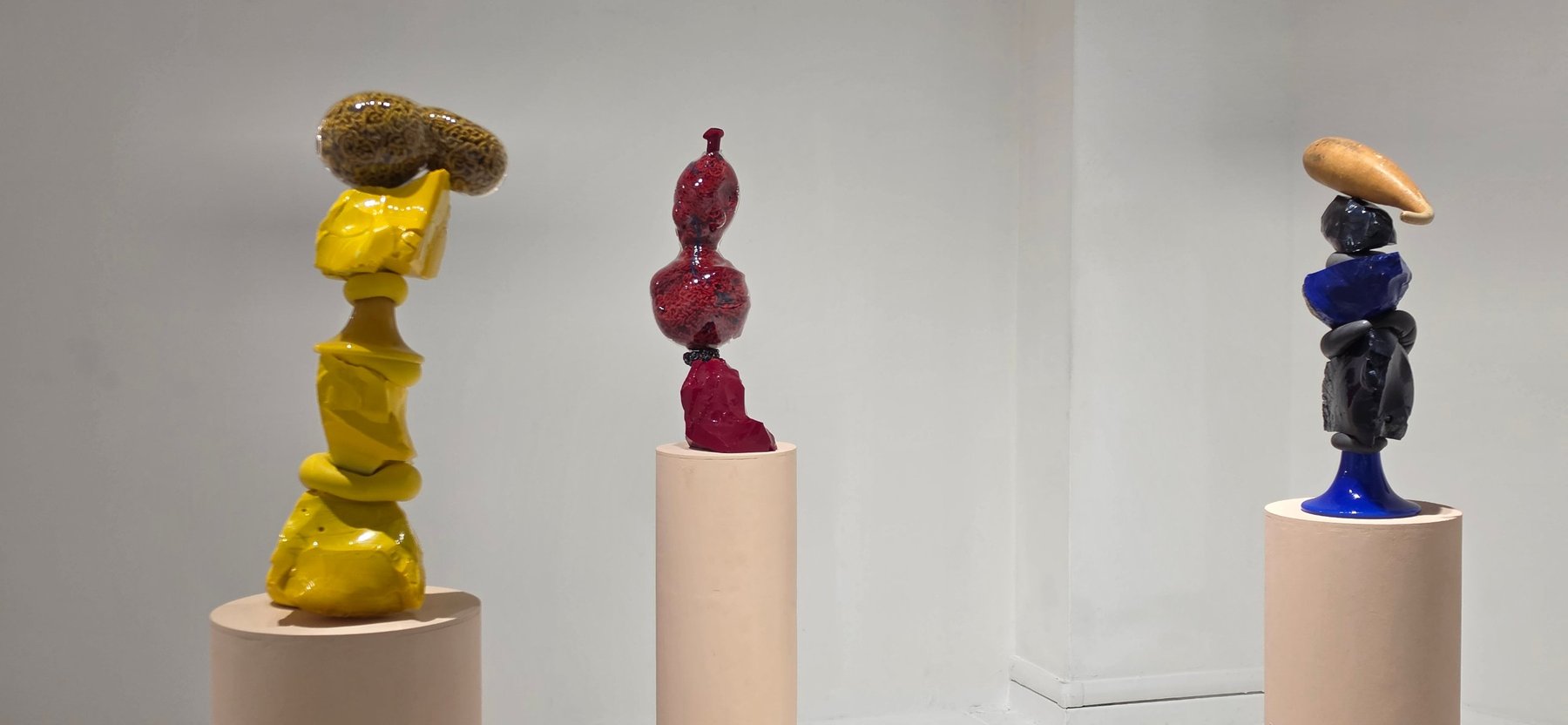
Their shapes echo the dried calabash. The silhouettes of the tapestries and the sculptures all derive from this one object, the artist explained, and he has been intrigued by its cultural value for about ten years:
In the last trip to Peru, I discovered that in this really little region in the north of Peru … the main object, which is actually transforming in really different ways, is the dry calabash, which is like a complete coincidence that explained this unconscious attraction with this object.
Lorenzo Vitturi
Last Room: Hybrid Figures in Red Adobe
In the last room, photographs show hybrid figures draped in Peruvian textiles. According to the wall text, their faces are hidden by masks inspired by both Andean and Venetian traditions, and they stand against landscapes and walls of red adobe. Glass, textile and Peruvian yarns appear here again, transformed once more inside the photographic setting.
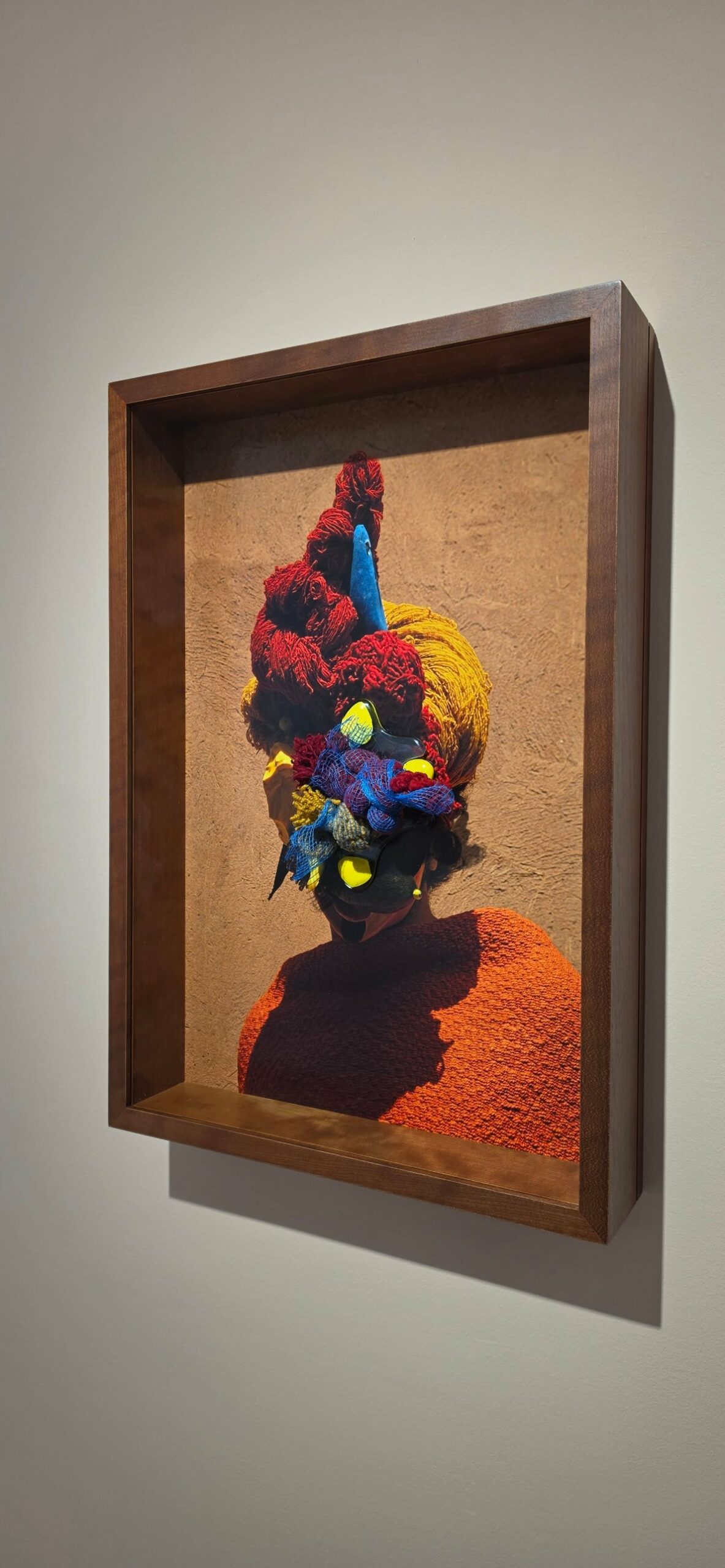
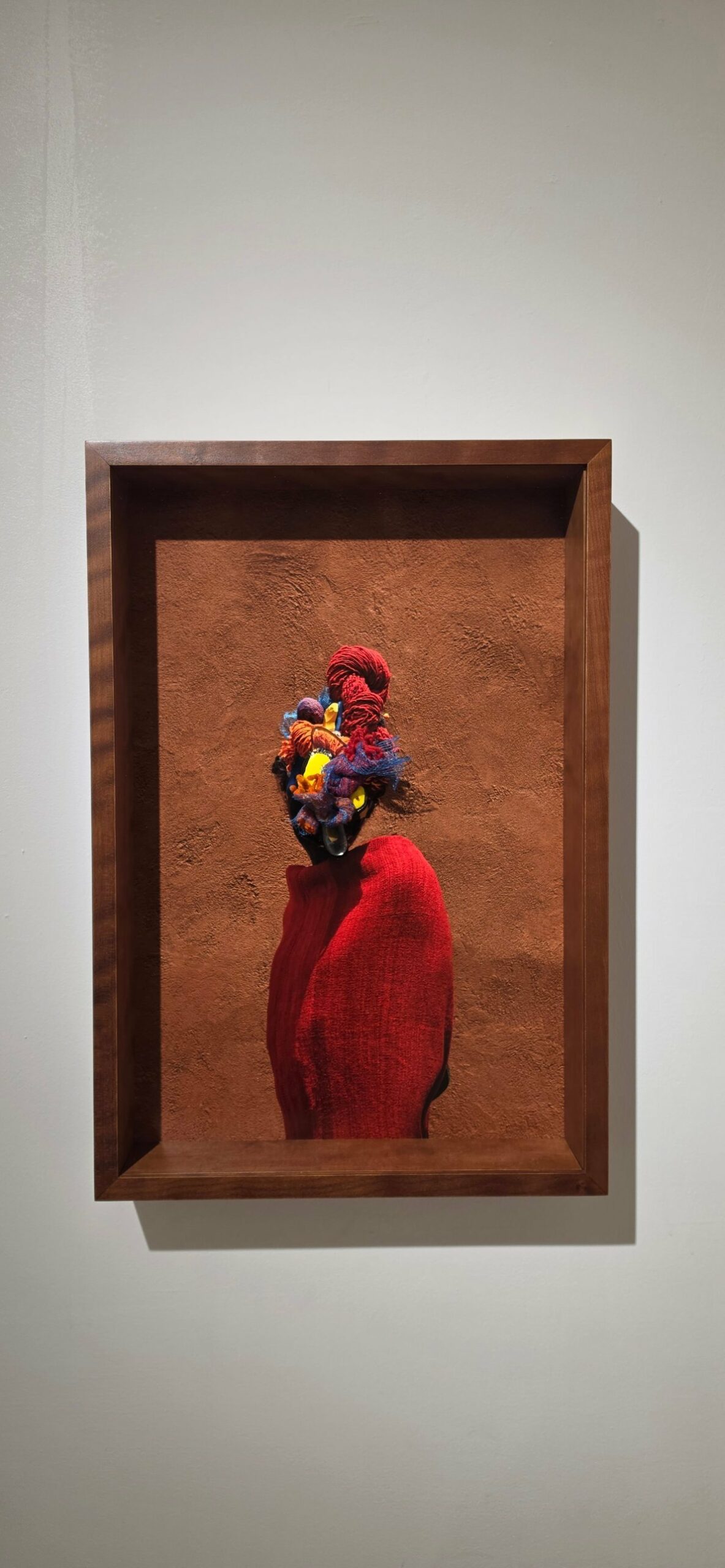
Vitturi, an Italian-Peruvian artist, sums up his approach:
I use the transformation of raw materials to reveal my personal story, and also the stories behind the materials.
Lorenzo Vitturi
About the Artist
Lorenzo Vitturi (born 1980, Venice) is an Italian-Peruvian artist based between London and Venice. His sculptures and photographs draw on exchanges with local communities, crafts and cultural traditions, and on the memories held in raw materials and everyday objects. He has had solo exhibitions at institutions including FOAM in Amsterdam, Fondazione MAST in Bologna, the Centre Photographique Rouen Normandie, The Photographers’ Gallery in London and the Centre National de l’Audiovisuel in Luxembourg.
Practical Information
Exhibition: Lorenzo Vitturi, Catacaos, 9 November to 23 December 2026 (dates as listed on the gallery’s website).
Opening: Monday 9 November 2026, 6 to 9 pm, in the presence of the artist.
Venue: 193 Gallery, 24 rue Béranger, 75003 Paris. According to the gallery’s website, it is open Tuesday to Saturday, 10:30 am to 7 pm; please check with the gallery before visiting.
More information: exhibition page on the 193 Gallery website. Instagram: @193gallery and @lorenzovitturi.
Text and interview: Kasra Aliha. Photographs: Behnood Massoumi. Quotations come from a conversation with the artist at the opening and have been lightly edited for clarity.