
The Musée de Cluny – musée national du Moyen Âge in Paris has acquired a limewood statuette of Saint Mary Magdalene carved in Strasbourg around 1470–1480, a work the French state had classified as a Trésor national (National Treasure) to keep it in the country. The acquisition was announced by the Ministry of Culture in a press release dated 2 November 2026.
According to the ministry, the 55-centimetre sculpture has no equivalent in France’s national collections. It fills a precise gap at Cluny: the museum’s substantial holdings of late-medieval Germanic sculpture – Swabian, Swiss and Tyrolean – did not yet include a single Alsatian work from the period, the release states. The purchase is also a clear illustration of how the National Treasure mechanism works in practice: an export refusal buys time, and patronage pays.
The work
The ministry attributes the statuette to a sculptor who has been called the “Master of the Lautenbach Altarpiece”, active in the wake of the celebrated sculptor Nicolas Gerhaert de Leyde. It describes the piece as a very rare example, on the art market, of work from Strasbourg, which it calls a major artistic centre in the second half of the fifteenth century.
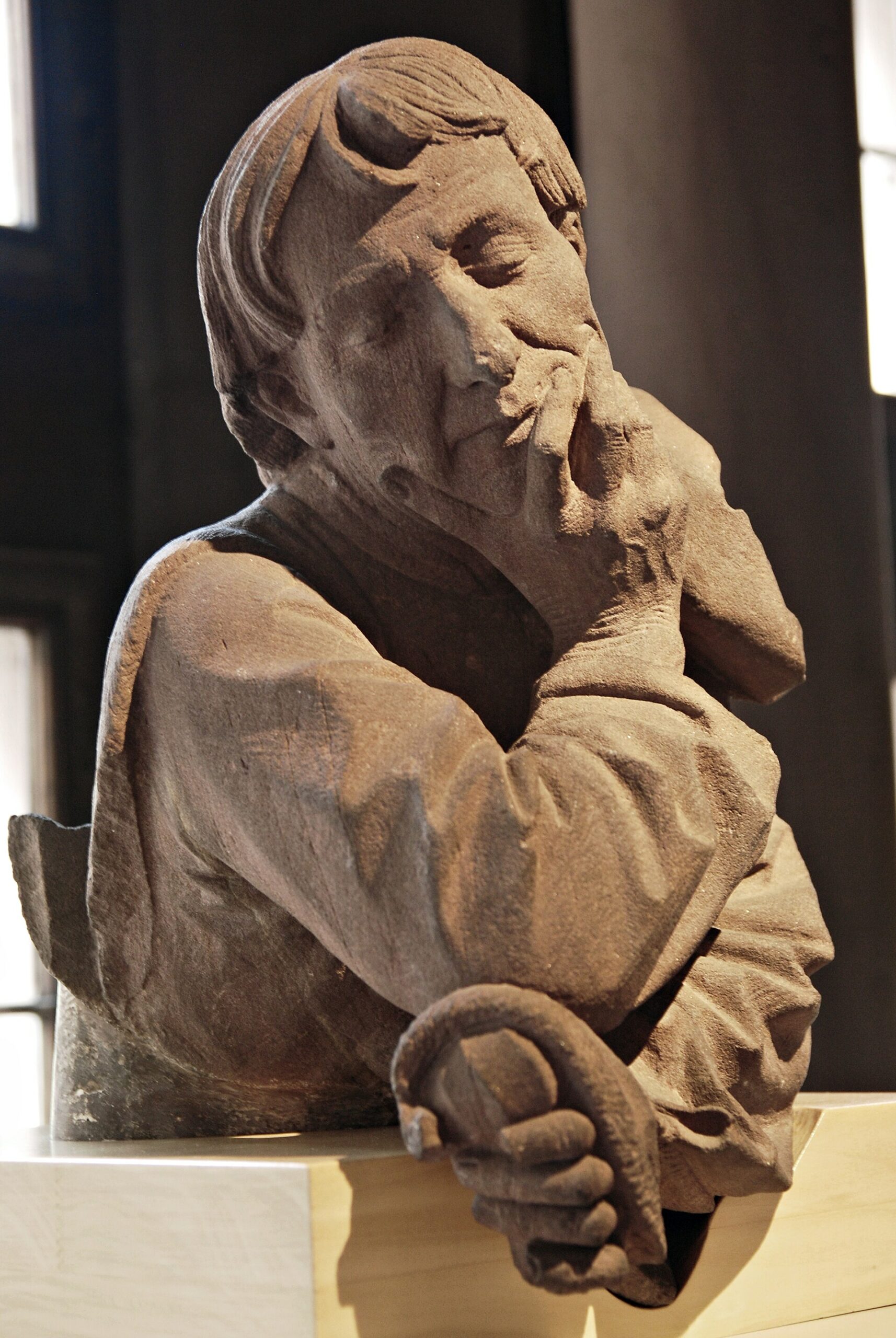
Mary Magdalene is identified by her attribute, an ointment jar held in her left hand, whose lid she lifts with her right. With her raised elbow she holds against her body the edge of an ample mantle with sharply broken, deeply cut folds, and her loose hair falls down her back in twisted strands. The ministry reports a remarkable state of conservation, although the original polychromy has disappeared. The statuette is said to come from the Abbey of Lucelle in the Haut-Rhin and was probably intended for a private oratory; it remained in the same family for more than a century and has been published since 1972.
From the saleroom to an export refusal
The statuette was offered at public auction on 14 June 2023 and bought by a foreign collector, according to the ministry. La Tribune de l’Art, which followed the case, places the sale in Cannes and reports an estimate of €20,000–30,000 and a hammer price of €330,000, or €429,000 with fees; it describes the buyer as a foreign dealer.
The Ministry of Culture then refused the export certificate, a decision that confers National Treasure status and prevented the sculpture from leaving French territory. That refusal, the ministry says, gave the museum the opportunity to raise the funds to buy it. The price paid by the museum has not been published.
Who paid
Per the ministry, the purchase was financed mainly through Article 238 bis-0 A of the French General Tax Code, which allows companies to contribute to the acquisition of National Treasures. The museum received support from Crédit Mutuel Alliance Fédérale, through the Caisse Fédérale de Crédit Mutuel, and from a company that wished to remain anonymous. Several individual donors also contributed, and the ministry covered the remaining amount through its Fonds du patrimoine.
Paris first, then Strasbourg
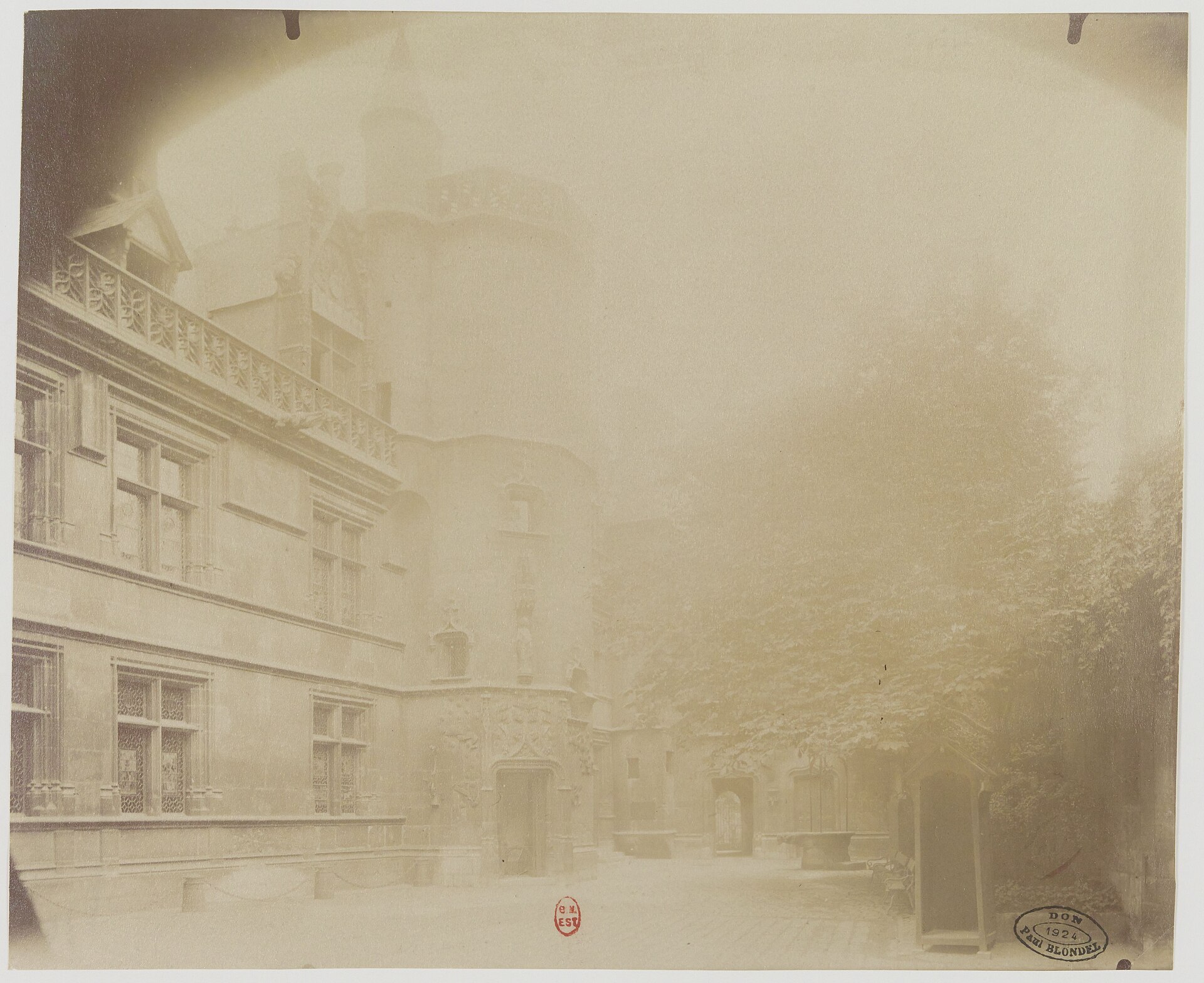
The statuette is to take its place in room 21 of the museum, devoted to religious furnishings from north of the Alps. After a phase of study and restoration, it will be shown first at Cluny and then at the Musée de l’Œuvre Notre-Dame in Strasbourg, which holds reference works by Nicolas Gerhaert de Leyde, as a long-term loan. The ministry places this loan within the European network of medieval art museums to which both institutions belong. No date has yet been announced for its first presentation.
Practical information
Musée de Cluny – musée national du Moyen Âge, Paris (5th arrondissement). The presentation date of the statuette has not yet been announced; it will follow a phase of study and restoration.
Sources: Ministère de la Culture, press release, 2 November 2026; La Tribune de l’Art, “Marie-Madeleine entre enfin à Cluny”, Alexandre Lafore, 2 November 2026.
This article was prepared with AI assistance and reviewed by the Honargardi editorial team.