
The Musée Cernuschi, the City of Paris’s museum of Asian arts, opens Corée. Le royaume des lettrés (1600–1900) (“Korea. The Kingdom of the Scholars”) on 20 November 2026. Running until 4 April 2027, the exhibition is devoted to the yangban, the scholarly elite that, according to Paris Musées, profoundly shaped the artistic and material culture of the Chosŏn kingdom (1392–1910). It is organised in partnership with Korea University.
Paris Musées says the exhibition is part of the celebrations marking the 140th anniversary of diplomatic relations between France and Korea, an anniversary for which, as the City of Paris noted earlier this year, many of the capital’s museums and cultural venues have been highlighting Korean culture.
Inside the world of the yangban
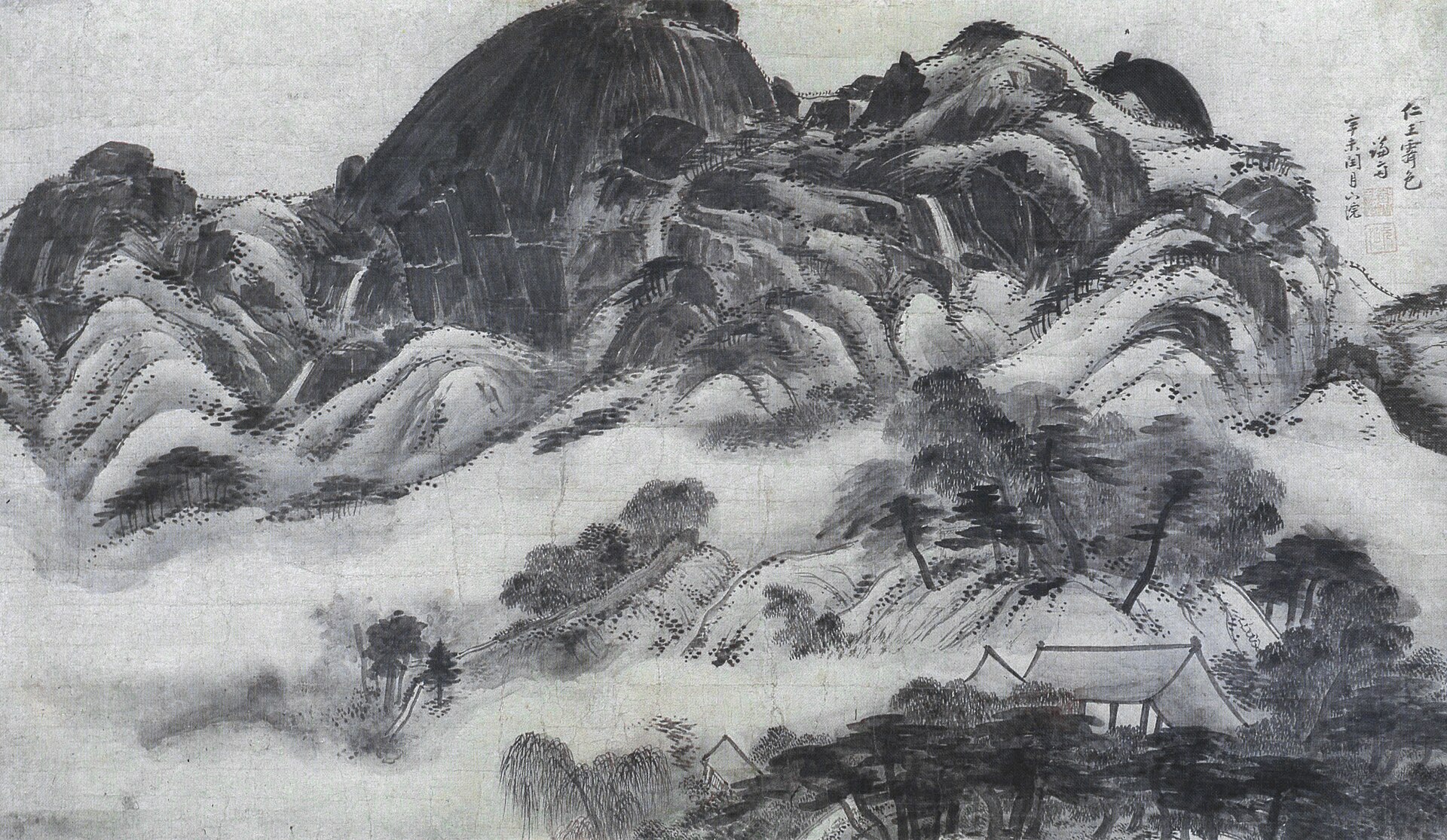
According to Paris Musées, the exhibition uses paintings, costumes, ceramics, furniture and everyday objects to present the environment in which these scholars lived, and offers a broad panorama of the artistic production of Chosŏn, punctuated by masterpieces of early Korean painting. The museum says the route moves from the general to the particular and gives ample space to large, striking ensembles of works, so as to immerse visitors in the Korea of the period.
The exhibition traces the changes that transformed the intellectual and material culture of Chosŏn over its long history. Maps evoke the territory and the long duration of the kingdom; documents relating to court rituals describe its political and social structure.
Merit and nobility
A specific section is devoted to the status of the yangban. Paris Musées describes it as resting on a social organisation that was at once meritocratic and aristocratic: on the one hand, access to official posts through examinations inspired by the Chinese model; on the other, membership of the nobility.
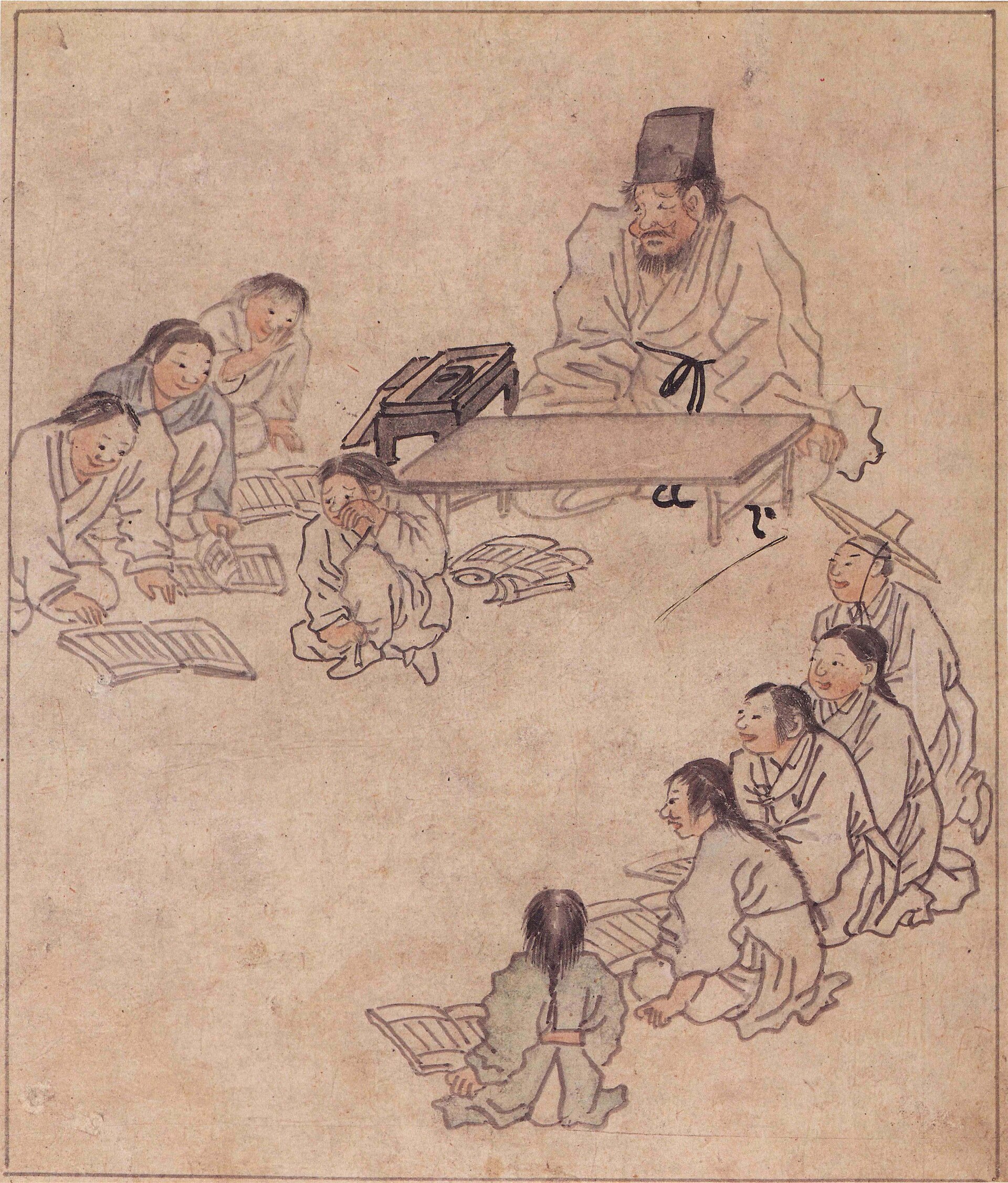
Visitors can also see the interiors in which the yangban lived, through furniture, folding screens, costumes and cabinets of curiosities. Finally, paintings and ceramics explore the particular aesthetic that defined this class, as well as a certain Korean identity whose echoes, the museum writes, are still felt today.
Why it matters
Although it also offers a broad panorama of Chosŏn art, the exhibition is built around one social group and the world it made: how a class defined by learning, examinations and lineage lived, furnished its rooms and expressed its taste. It is not the only Korean exhibition in Paris this autumn: at the Musée Guimet, the exhibition Le savoir en trompe-l’œil. Corée, 18e–20e s. runs from 16 September 2026 to 4 January 2027.
Practical information
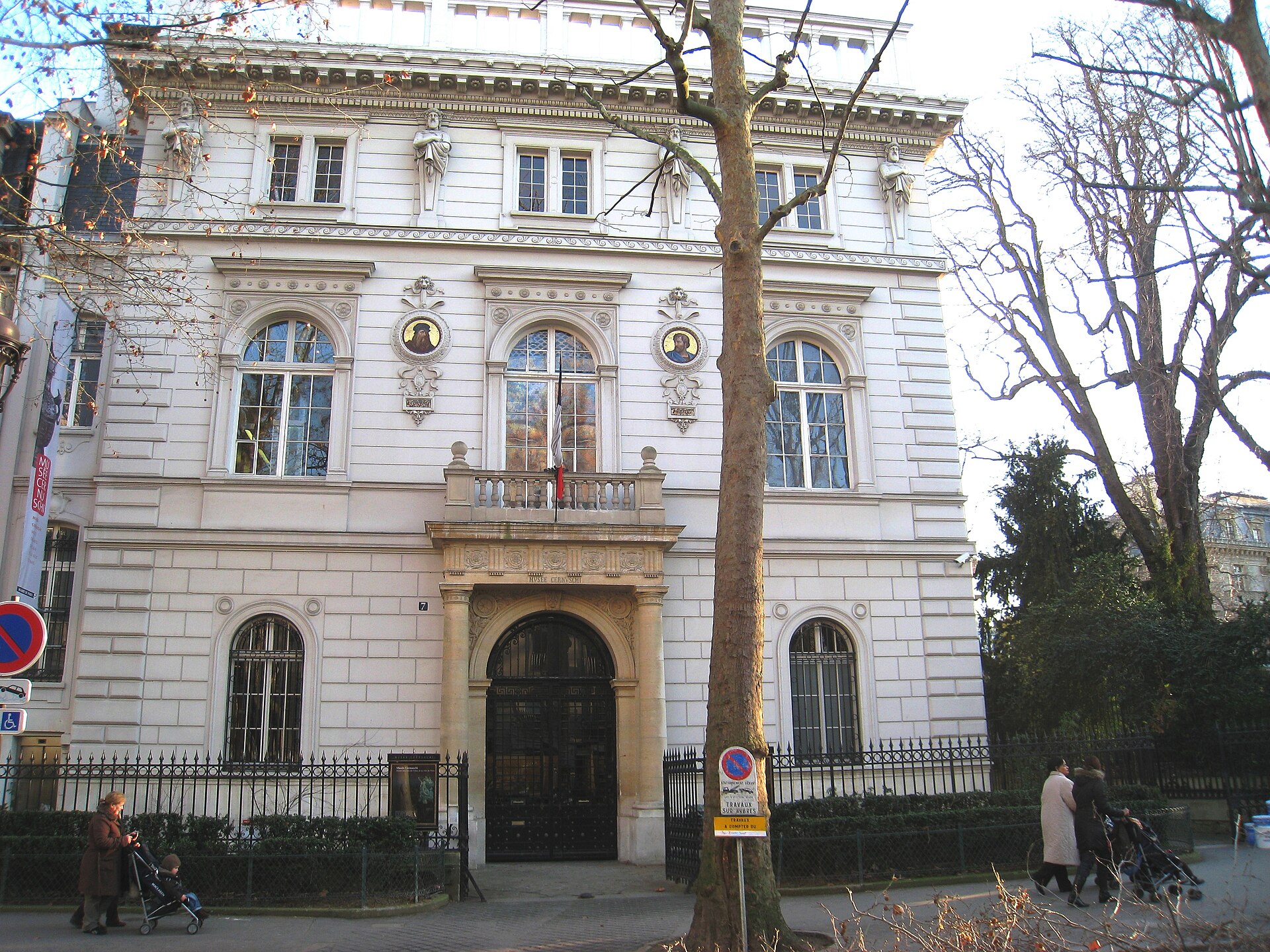
Corée. Le royaume des lettrés (1600–1900). Musée Cernuschi – musée des Arts de l’Asie de la Ville de Paris, 7 avenue Vélasquez, 75008 Paris. 20 November 2026 – 4 April 2027. Open Tuesday to Sunday, 10 am–6 pm (closed on Monday), according to Paris Musées and the Paris tourist office.
Sources
- Paris Musées – Corée. Le royaume des lettrés (1600–1900)
- Paris je t’aime (Paris tourist office) – exhibition listing
- Ville de Paris – exhibitions celebrating Korean culture
- Musée Guimet – exhibitions
- Sortiraparis – Corée, le royaume des lettrés
This article was prepared with AI assistance and reviewed by the Honargardi editorial team.