
From 20 November 2026 to 22 March 2027, the Palais des Beaux-Arts de Lille presents Voyage à l’anglaise. William Turner (1775–1851) et les artistes du “Grand Tour”, an exhibition of British landscape painting drawn from the collections of Tate. According to GrandPalaisRmn, which co-produces the show, it brings together nearly 90 works from Tate by the artists in the show; the Lille museum says William Turner is represented by 18 works by his own hand and 16 from his studio.
The museum frames the exhibition around a simple proposition: that the journeys British artists made through France, Germany and above all Italy in the 18th and 19th centuries changed the way landscape was painted in Britain. For French audiences the interest is twofold. The museum notes that Turner is rarely exhibited outside English museums, which hold most of his work, and that the generation of travelling British artists around him remains, in its words, unjustly overlooked in France.
From the aristocratic tour to the traveller’s sketchbook
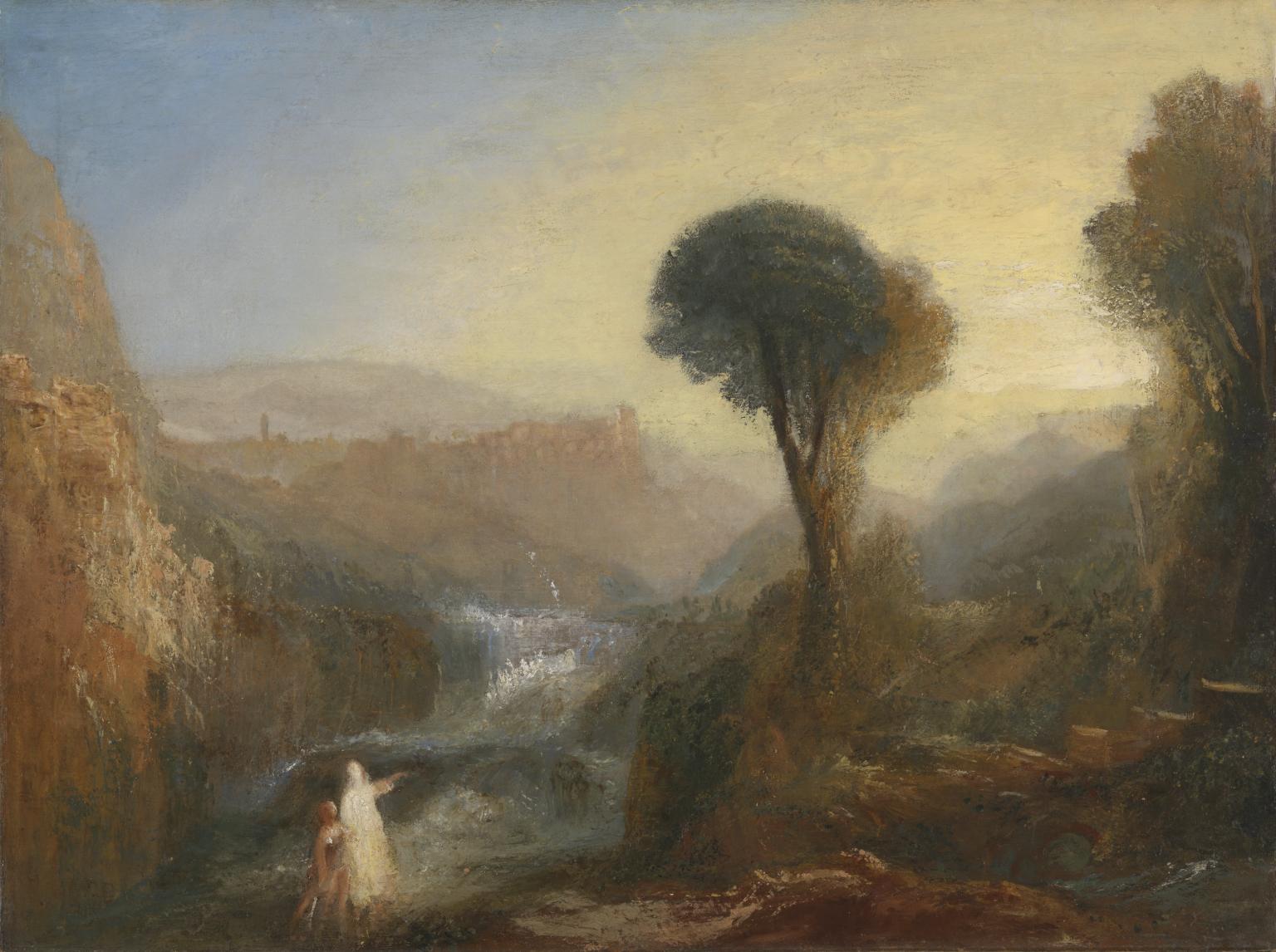
The “Grand Tour” was, as the Lille museum describes it, a rite-of-passage journey lasting several months to discover foreign landscapes, ancient remains and cultures, funded by wealthy aristocrats. GrandPalaisRmn traces the exhibition’s arc from that aristocratic tour to the journeys later made possible by progress in transport, and situates it between the end of the 18th and the middle of the 19th century.
Drawings, watercolours and paintings are at the heart of the selection. The museum points to colour, atmospheric effects and the seasons encountered abroad, and says these artists found in watercolour and sketching from life a means of conveying their emotions; in its view, their works anticipate Romanticism and, later, the Impressionist revolution. GrandPalaisRmn describes Turner as carrying watercolour to an unprecedented degree of freedom and virtuosity, with travel as an essential source of his inspiration.
Turner and the generation around him
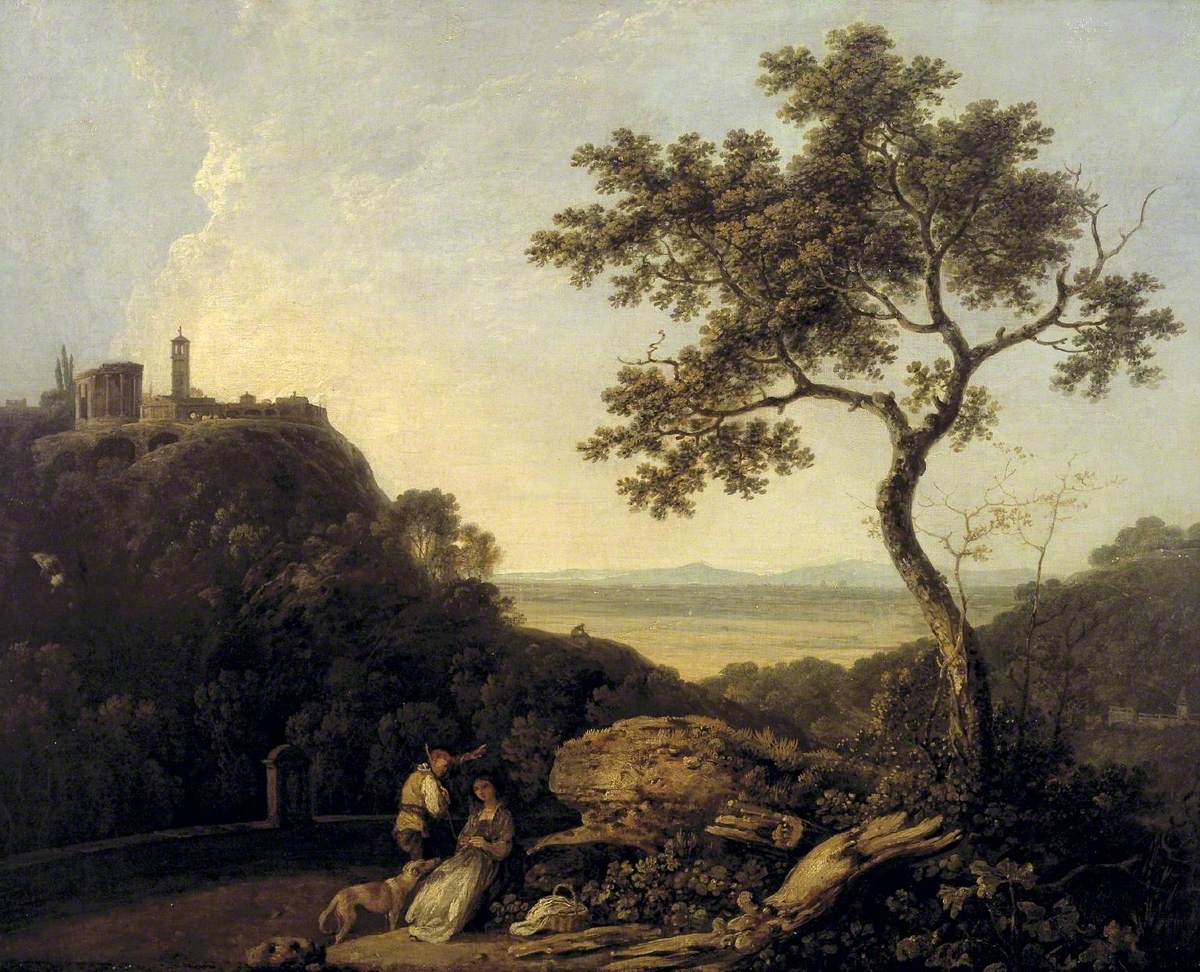
Alongside Turner, both institutions name John Robert Cozens, Francis Towne, Thomas Jones, Joseph Wright of Derby and Richard Wilson. GrandPalaisRmn says many of the drawings, watercolours and paintings on show are rarely presented outside the United Kingdom.
The Lille museum describes the project as an exceptional partnership between Tate Britain and the Palais des Beaux-Arts de Lille / Ville de Lille. The scientific curator is David Blayney-Brown, presented by the museum as honorary general curator at Tate Britain and by GrandPalaisRmn as a Turner specialist and former chief curator of early British art at Tate Britain. The museum lists Juliette Singer, director of the Palais des Beaux-Arts de Lille and of the Musée de l’Hospice Comtesse, and Alex Farquharson, director of Tate Britain, as general curators, with Alice Fleury, chief curator and director of collections at the Lille museum, as associate curator. The exhibition design is by Agence Nathalie Crinière, according to GrandPalaisRmn. The show is supported by the Fondation Crédit Mutuel Nord Europe.
The museum also announces an “English season” around the exhibition, with concerts, screenings in the auditorium, special guests and talks.
Why it matters
The exhibition does not present Turner in isolation. By placing him among the travelling artists who preceded and surrounded him, and by showing drawings and watercolours alongside paintings, it sets out to show French visitors how travel itself shaped a strand of British landscape painting that, by the museum’s own account, is still little known in France. It also brings nearly 90 works from Tate to a French museum outside Paris, in a project organised by the Lille museum in collaboration with Tate and co-produced with GrandPalaisRmn.
Practical information
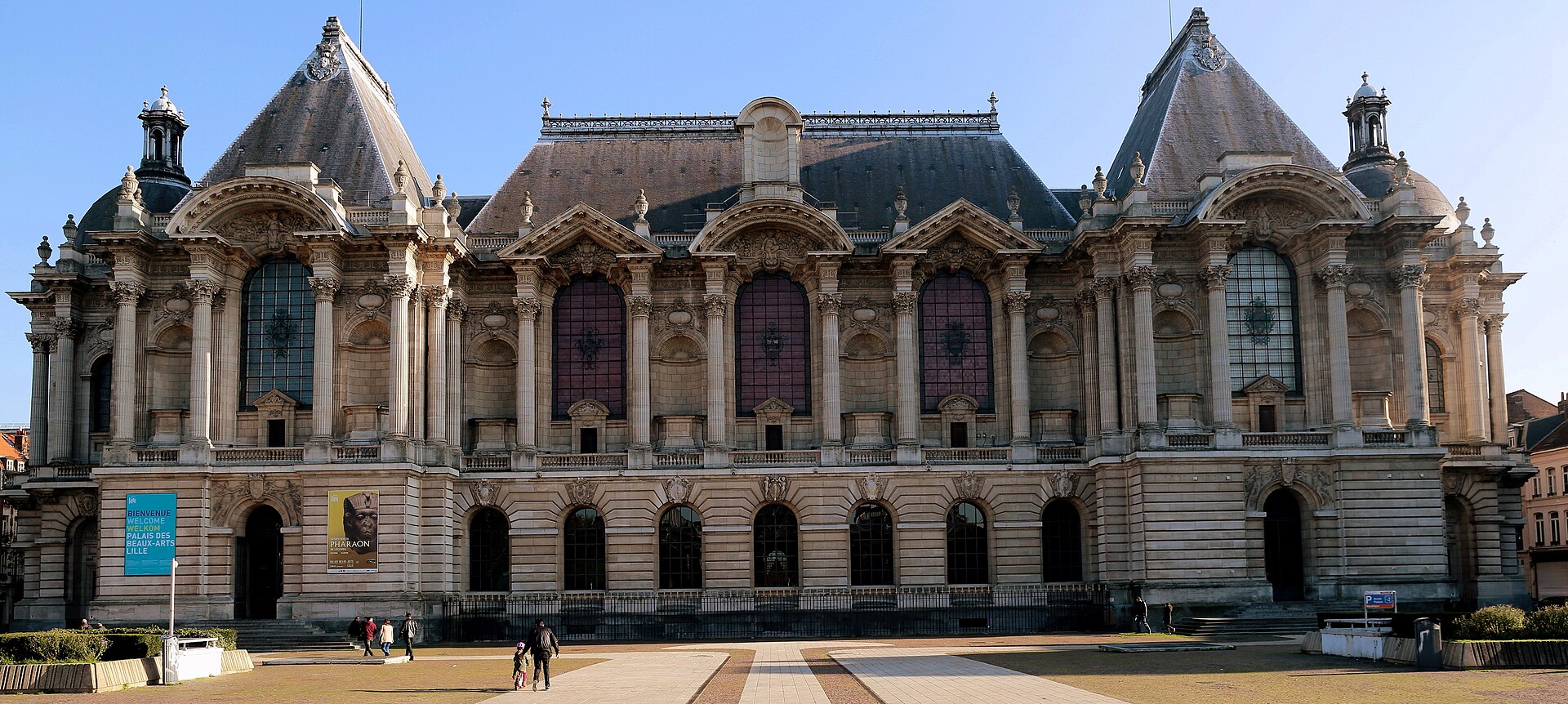
Voyage à l’anglaise. William Turner (1775–1851) et les artistes du “Grand Tour”. Palais des Beaux-Arts de Lille, Place de la République, 59000 Lille. 20 November 2026 – 22 March 2027. The museum’s exhibition page lists opening hours of Monday 2 pm–6 pm and Wednesday to Sunday 10 am–6 pm, closed on Tuesday, and prices of €7 (full) and €4 (concession).
Sources
- Palais des Beaux-Arts de Lille – exhibition page (French)
- Palais des Beaux-Arts de Lille – exhibition page (English)
- GrandPalaisRmn – Voyage à l’anglaise
- Unidivers – Lille. William Turner et le Grand Tour
This article was prepared with AI assistance and reviewed by the Honargardi editorial team.