
The 61st International Art Exhibition of La Biennale di Venezia, “In Minor Keys”, conceived by the late curator Koyo Kouoh, closed on Sunday 22 November 2026 with 714,015 visitors, according to figures published by La Biennale the same day. The total includes 29,387 visitors during the pre-opening days.
The figure carries more weight than usual because the exhibition was shorter: La Biennale says it ran three weeks less than previous editions, opening to the public only on 9 May to allow the installation of the renovated Central Pavilion at the Giardini, funded by Italy’s Ministry of Culture. It was also an edition completed by a team after its curator’s death, and one whose international jury resigned before the opening.
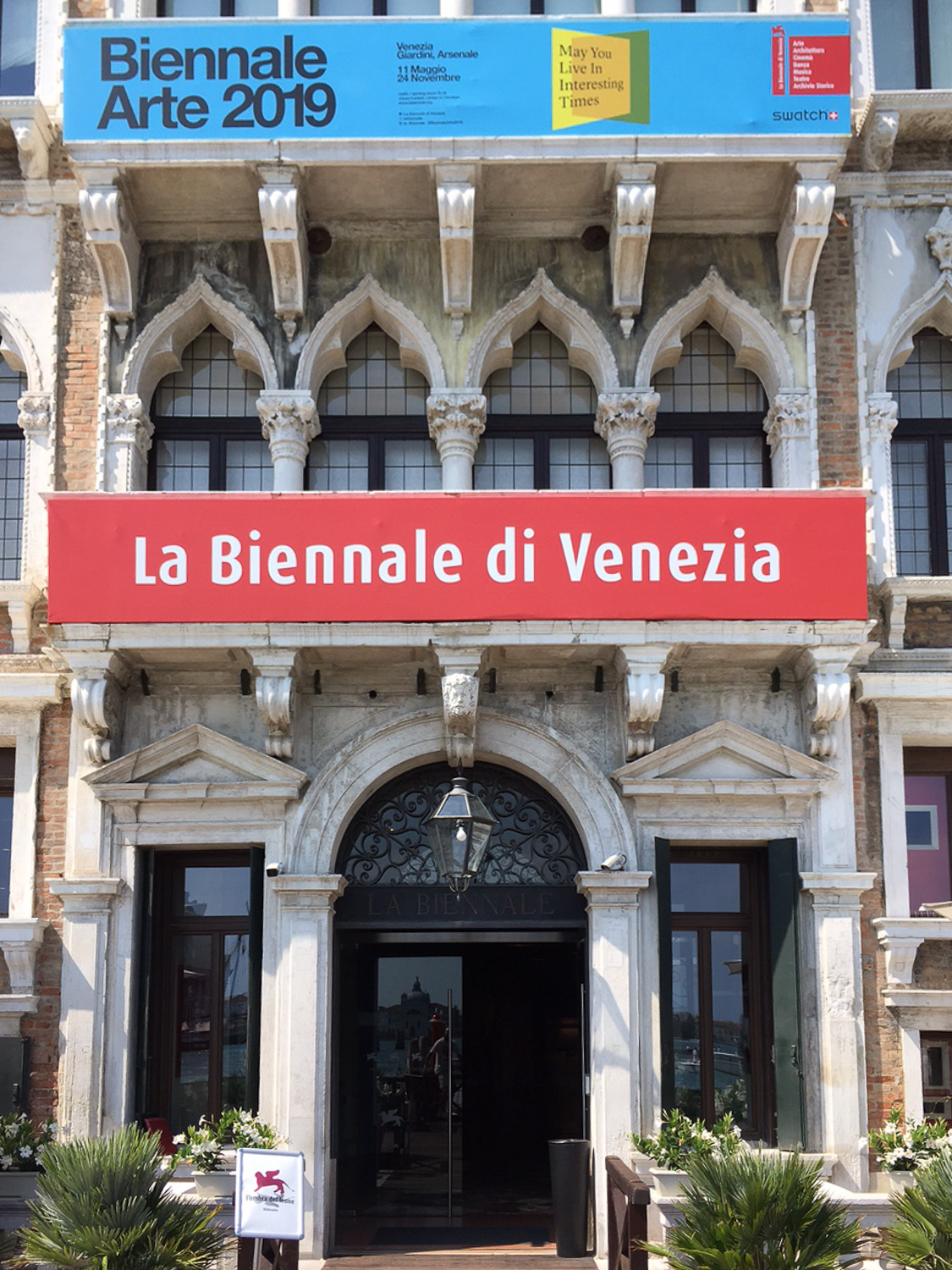
What the figures say
La Biennale reports an average of 3,732 visitors a day. Young people and students under the age of 26 accounted for more than 161,560 visitors, which La Biennale puts at 24% of the total, and people visiting in groups made up 14%.
The International Exhibition brought together 109 artists, two special projects — a Pavilion of Applied Arts with London’s Victoria and Albert Museum, presenting Gala Porras-Kim, and an exhibition at Forte Marghera by Fabrice Aragno, Uriel Orlow and Temitayo Ogunbiyi — 19 performances and 31 Collateral Events. La Biennale counts 100 National Participations, which it describes as the highest number ever recorded: 29 in the historic pavilions of the Giardini, 25 in the Arsenale, including Italy, and 46 elsewhere in the city. Seven countries took part for the first time: Guinea, Equatorial Guinea, Nauru, Qatar, Sierra Leone, Somalia and Vietnam. El Salvador, previously shown with the IILA, had its own pavilion for the first time.
On the press side, La Biennale says 3,831 journalists registered for the pre-opening, 2,725 of them international.
An exhibition finished without its curator
Koyo Kouoh died in May 2025. With the support of her family, La Biennale decided to carry out the exhibition she had already developed — its theoretical framework, the selection of artists and works, the catalogue authors and the architecture of the spaces — and it was realised by the team she had chosen: Gabe Beckhurst Feijoo, Siddhartha Mitter, Marie Hélène Pereira, Rasha Salti and Rory Tsapayi. In La Biennale’s closing statement, its president Pietrangelo Buttafuoco said Kouoh’s exhibition “was a feast for the eyes, just as she had envisioned it.” The team, for its part, recalled one of her phrases: “People are more important than things.” According to La Biennale, the exhibition closed after ten days of debates, conferences, roundtables and performances at the Arsenale.
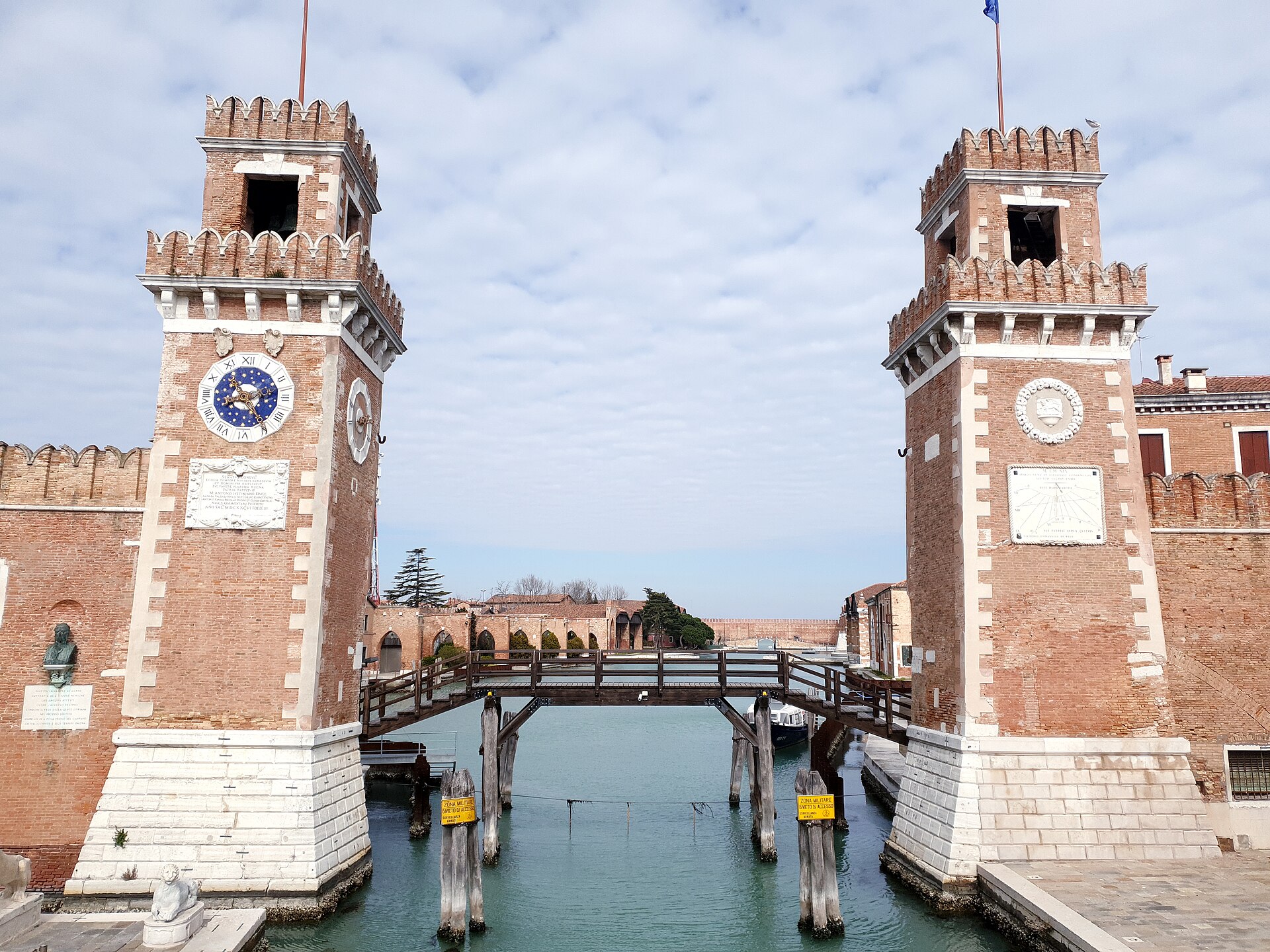
A contested edition and a public vote
ARTnews described the 61st edition as “fraught with controversy”, chiefly over the inclusion of the Russian pavilion but also over the Israeli pavilion; the international jury appointed by Kouoh had excluded both from the prizes before resigning just before the opening. Citing those resignations and “the exceptional nature of the current international geopolitical situation”, La Biennale established two Visitors’ Lions, which ARTnews describes as a replacement for the Biennale’s traditional awards: one for the best participant in “In Minor Keys” and one for the best National Participation.
Under La Biennale’s rules, only ticket holders who visited both exhibition venues between 9 May and 22 November may vote, once for each award, with visits checked through the ticketing system. All National Participations on the official list are eligible, which La Biennale presents as a matter of “inclusion and equal treatment”. ARTnews, citing the German magazine Monopol, reported that the winners would be announced on 24 November and that some national pavilions have said they would not accept the prize, in solidarity with the jury. At the time of publication, La Biennale had not yet announced the winners on its website.
Attendance as an argument
La Biennale says the result confirms the appreciation and trust of audiences, after a record Biennale Architettura in 2025 and record audience figures at the Biennale Cinema 2026. The numbers do show that the public came in large numbers to an exhibition its curator did not live to see. They do not, however, settle the dispute over national participation that ran through the year, and in whose wake the Visitors’ Lions — a prize chosen by ticket holders rather than by a jury — were introduced.
Practical information: 61st International Art Exhibition, “In Minor Keys”, curated by Koyo Kouoh, La Biennale di Venezia, Giardini, Arsenale and venues across Venice, 9 May – 22 November 2026 (now closed).
Sources
- La Biennale di Venezia, “The Biennale Arte 2026 by Koyo Kouoh closes on a high note, with 714,015 visitors”, 22 November 2026
- La Biennale di Venezia, “Biennale Arte 2026 in figures”, 22 November 2026
- La Biennale di Venezia, “Two Visitors’ Lions have been established for the Biennale Arte 2026”
- La Biennale di Venezia, “Biennale Arte 2026: In Minor Keys”
- ARTnews, “Controversial Venice Biennale Closes…”, Morning Links, 23 November 2026
This article was written with AI assistance, supervised by Honargardi’s editorial team.