نوشته The 90s at Tate Britain: Edward Enninful Restages the Decade That Rewired British Culture اولین بار در Honargardi. پدیدار شد.
]]>A decade seen through a fashion editor’s eye
The most consequential decision behind the show is its curator. Rather than entrusting the narrative only to its own art historians, Tate invited Edward Enninful OBE, the former editor-in-chief of British Vogue, to lead it, working with Tate Britain’s Contemporary British Art team (Jessica Vaughan, Helen Little, Dominique Heyse-Moore and Celeste McEvoy) and the gallery’s director, Alex Farquharson. According to Tate, the exhibition draws directly on Enninful’s own experience of the decade. The result is a selection of more than 100 photographs, paintings, sculptures and garments by nearly 70 artists, photographers and designers, in which fashion images are not illustrations of an era but works in their own right.
That is a real shift of emphasis for a national collection of British art. It places photographers such as Corinne Day, Nigel Shafran and Juergen Teller, whose pictures for i-D and Dazed and Confused defined a raw “anti-fashion” look, in the same conversation as Tracey Emin, Sarah Lucas, Jenny Saville and Gillian Wearing. The common denominator, the exhibition argues, was a taste for imperfection, realness and a do-it-yourself attitude that followed the economic gloom of the 1980s.
From the dancefloor to the formaldehyde tank
The show’s structure moves between two poles. On one side is the street and the club: Mark Leckey’s 1999 film Fiorucci Made Me Hardcore, photographs of acid house by Dave Swindells, Peter J Walsh and Tony Davis, the jungle, hip-hop and drum and bass scenes recorded by Normski, Eddie Otchere and Ewen Spencer, and queer club nights photographed by Poulomi Desai, Stuart Linden Rhodes and Jon Shard. On the other is the cool, conceptual end of the decade: the gothic interest in decay in Helen Chadwick, Jake and Dinos Chapman and Cathy de Monchaux; Hamad Butt’s response to the AIDS crisis; the pared-back forms of Rachel Whiteread, Gary Hume and Cerith Wyn Evans; and Damien Hirst’s fabricated formaldehyde works, which Tate presents as “the antithesis to low-fi grunge”.
Between the two stand the designers who blurred art and fashion most spectacularly: Alexander McQueen’s theatrical, often unsettling presentations and Hussein Chalayan’s object-inspired clothing, alongside the starker imagery of Nick Knight, David Sims and Craig McDean and Wolfgang Tillmans’s Concorde Grid (1997), with its mix of millennial optimism and anxiety.
The other side of Cool Britannia
The exhibition’s most important move is to complicate the national-branding version of the decade. It gives space to artists who pointed at those left out of the Cool Britannia story: Steve McQueen’s first major film, Bear (1993); Chris Ofili’s Turner Prize-winning painting No Woman, No Cry (1998), a tribute to Doreen and Stephen Lawrence; and Keith Piper’s video on sport and national identity. Black British fashion is foregrounded through Ozwald Boateng’s tailoring, runway footage of Joe Casely-Hayford, photography by Koto Bolofo and the street-style collaboration of Jason Evans and Simon Foxton. The final room turns to Yinka Shonibare, Maud Sulter, Vivienne Westwood and John Galliano, who borrowed from history to question class, representation and national mythology.
Honargardi’s reading: re-evaluation, with caveats
The strength of the project is its premise that a fashion photograph by Corinne Day and a sculpture by Rachel Whiteread belong to one cultural ecosystem. Its risk lies in the same place. The exhibition is supported by the fashion house McQueen, its media partner is Dazed, and it is curated by one of fashion’s most powerful editors. None of this invalidates the show, but it means visitors are seeing the decade partly through the institutions that shaped its image in the first place. Whether the exhibition becomes a genuine re-evaluation of the 1990s, as Tate intends, or a polished celebration of a style that the fashion industry still profits from, is the question worth carrying through its rooms. The decision to centre artists excluded from the official narrative suggests the curators are aware of that tension.
Practical information
The 90s: Art and Fashion, Tate Britain, Millbank, London SW1P 4RG. 8 October 2026 – 14 February 2027, daily 10.00–18.00. Tickets £22 (concessions £20; £5 for Tate Collective members aged 16–25; free for Tate Members). Tate’s visitor guidance notes strong language, references to drug use, a graphic representation of violent death, and one room with flashing lights.
Sources
- Tate Britain: The 90s: Art and Fashion (official exhibition page)
- Tate press release, 6 October 2026
This article was prepared with AI assistance and reviewed by the Honargardi editorial team.
نوشته The 90s at Tate Britain: Edward Enninful Restages the Decade That Rewired British Culture اولین بار در Honargardi. پدیدار شد.
]]>نوشته Sculpting Colour at the Louvre: Spain’s Painted Saints Step Out of Zurbarán’s Shadow اولین بار در Honargardi. پدیدار شد.
]]>It would be easy to treat the show as a supplement to the painting retrospective next door. That would be a mistake. The two exhibitions were designed together, with a joint scenography by Nathalie Crinière and a single ticket for both, and the decision to stage them side by side makes an argument: that Spanish painting of the Golden Age cannot be fully understood without the carved and painted images that filled the churches, convents and streets where it was made.
A procession at eye level
The first room is given over to the exhibition’s most ambitious loan: a complete paso, the Camino del Calvario (Road to Calvary) by Gregorio Fernández, the leading sculptor active in Valladolid in the early 17th century, when the city was briefly the capital of the kingdom. The group consists of five life-size carved and painted figures. Such ensembles were made to be carried through the streets during Holy Week, seen from below and in motion. At the Louvre they are set at human height, a choice the curators explain as a way to allow the most direct observation possible.
The effect is double-edged, and productive. Removed from the procession, the figures lose the theatre of the street but gain scrutiny: the viewer can study the carving of a face, the painted flesh tones, the cut of a garment, as one would a painting. That shift from devotional spectacle to museum object is, in a sense, the subject of the whole show.
Relics, dressed statues and private devotion
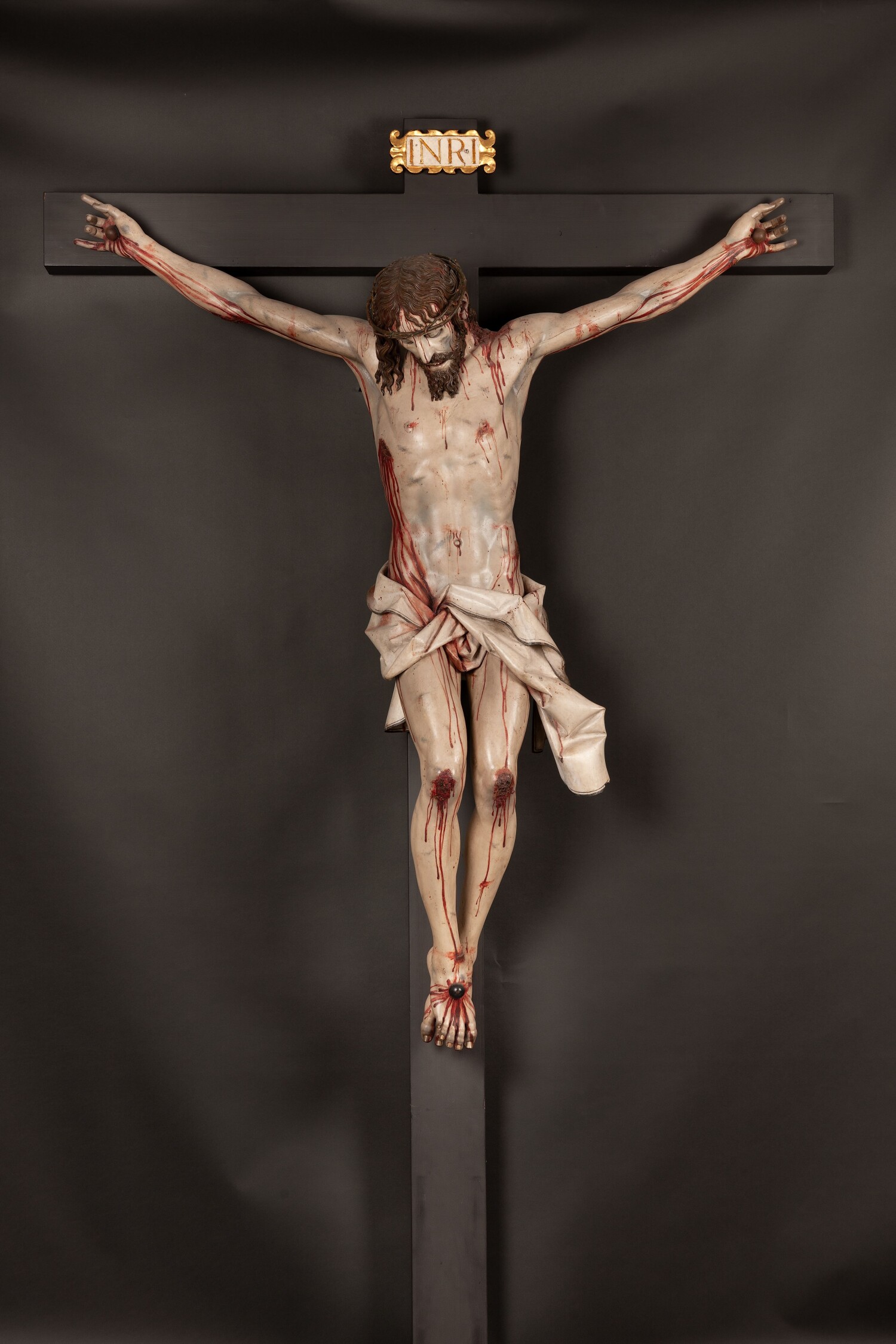
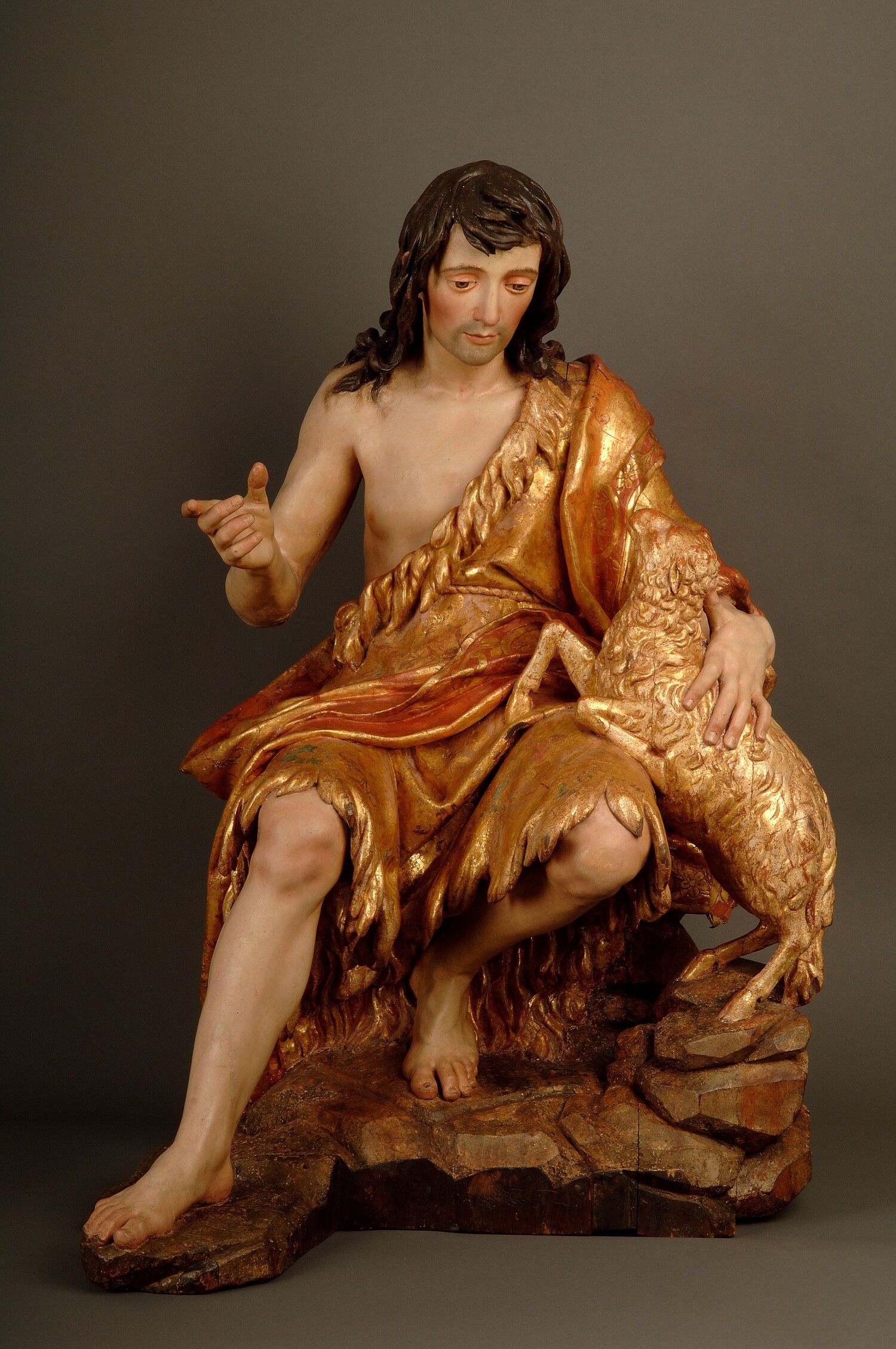
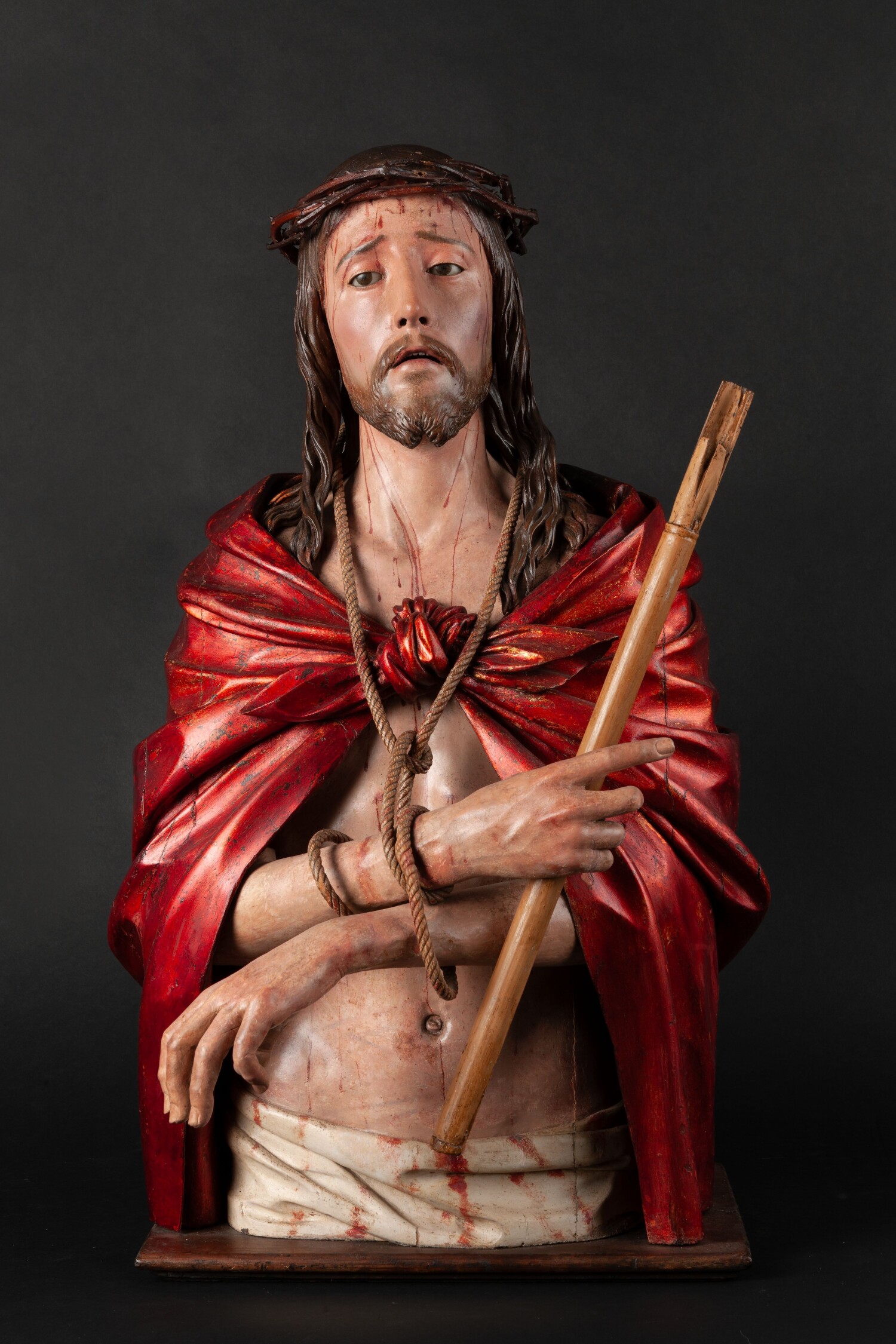
From there, the route follows several themes set out by the curators: the cult of relics and the role of intercessor saints, dressed statues, the representation of the sufferings of Christ and the Virgin, private devotion, and the Immaculate Conception. Among the major loans, none previously seen in France according to the Louvre, are Fernández’s Cristo de la Luz, a life-size crucified Christ, and Alonso Cano’s Saint John the Baptist. Cano is an instructive case: better known today as a painter, he painted his own sculptures, embodying in a single career the close ties between the two arts that the exhibition sets out to demonstrate.
The roster of sculptors goes well beyond Fernández and Cano: Juan de Mesa, José de Mora, Pedro de Mena, Jerónimo Francisco and Miguel Jerónimo García, José de Arce, Pedro Roldán and his daughter Luisa Roldán, whom the press release singles out as one of the rare women of the period to build a brilliant career that reached the royal court. Two works shown here, Luisa Roldán’s Virgin and Child with Saint John the Baptist and Pedro de Mena’s Immaculate Conception of 1680, are recent acquisitions of the Valladolid museum, presented after what the Louvre calls spectacular restorations.
Why the pairing matters
A single painting forms the hinge between the two exhibitions: Zurbarán’s Holy Face, also lent by Valladolid, serves as a shared introduction. It shows the miraculous imprint of Christ’s face on Veronica’s veil, and the curators use it to name the challenge common to painters and sculptors of 17th-century Spain: to render, with the greatest possible exactness and naturalism, the intrusion of the sacred into ordinary reality.
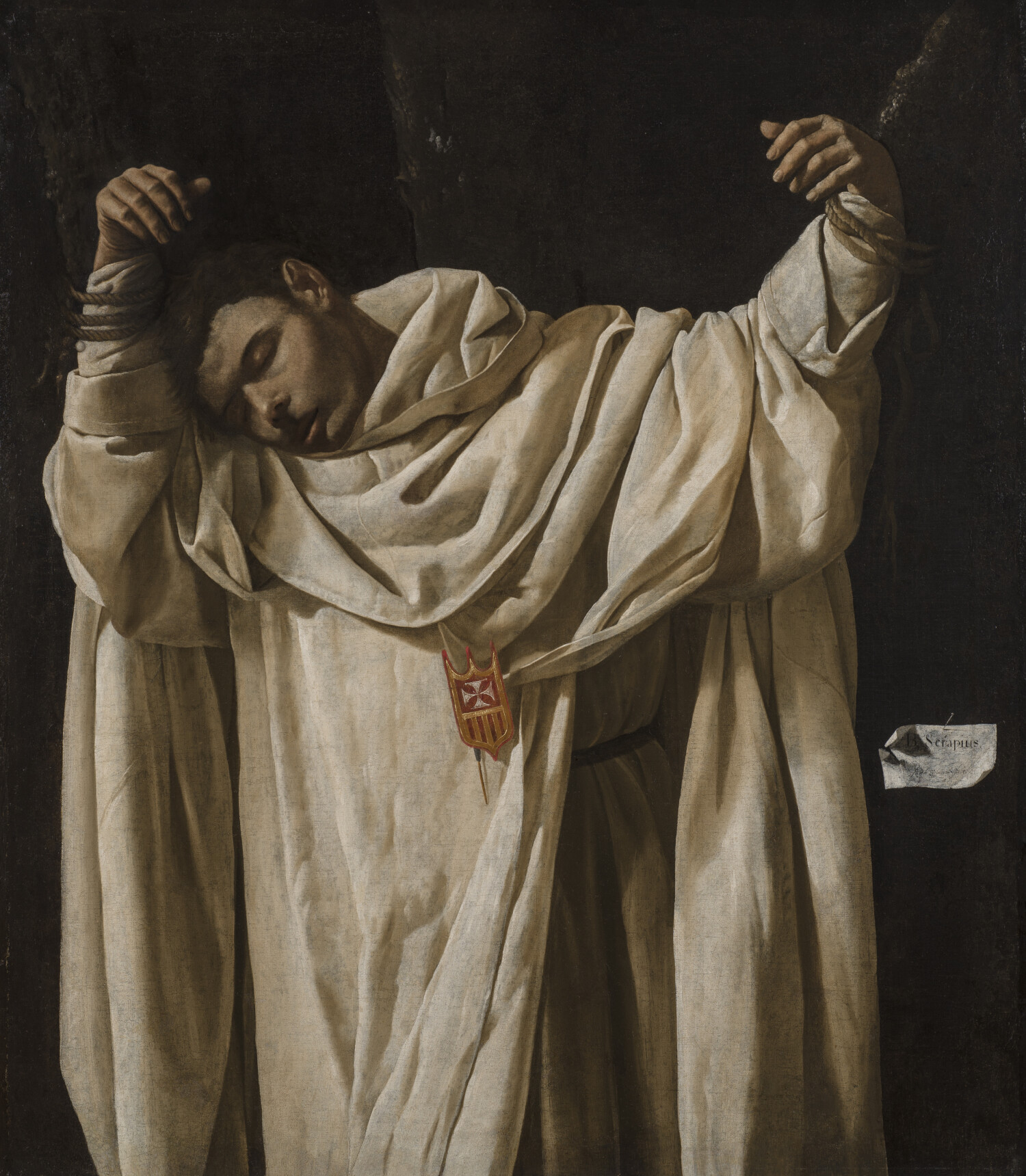
Seen in that light, Zurbarán’s stillness, his sharply modelled monks and saints against dark grounds, starts to look like a painter’s answer to what sculptors were achieving in three dimensions, and vice versa. For a French public whose idea of Spanish art of the period has been shaped largely by canvases, this is the exhibition’s most valuable lesson. Polychrome sculpture, long held at arm’s length by a museum culture that preferred marble and bronze, is presented here not as folk devotion but as an art of the first rank.
The exhibition is compact, with an average visit of around 45 minutes according to the museum, and that restraint serves it well. Rather than survey a whole field, it lets a small number of exceptional objects carry the argument.
Practical information
Sculpting Colour: Masterpieces from the Museo Nacional de Escultura, Valladolid. Musée du Louvre, Hall Napoléon, Paris. 7 October 2026 – 25 January 2027. Curators: Valérie Carpentier-Vanhaverbeke, chief curator, Department of Sculptures, Musée du Louvre, and Alejandro Nuevo Gómez, director of the Museo Nacional de Escultura, Valladolid. A ticket gives access to both this exhibition and Zurbarán 1598–1664; full price €22 for EEA residents and €32 for non-EEA visitors, with free admission under conditions. Short 20-minute introductory tours run on Wednesday and Friday evenings. Catalogue: Musée du Louvre / Liénart, 168 pages, 76 illustrations, €29. The exhibitions are accompanied by a cultural season, “L’Espagne au Louvre”.
Sources: Official exhibition page, Musée du Louvre · Musée du Louvre press room
This article was prepared with AI assistance and reviewed by the Honargardi editorial team.
نوشته Sculpting Colour at the Louvre: Spain’s Painted Saints Step Out of Zurbarán’s Shadow اولین بار در Honargardi. پدیدار شد.
]]>نوشته Mary Cassatt at Orsay: A Centenary Tribute France Owed Her اولین بار در Honargardi. پدیدار شد.
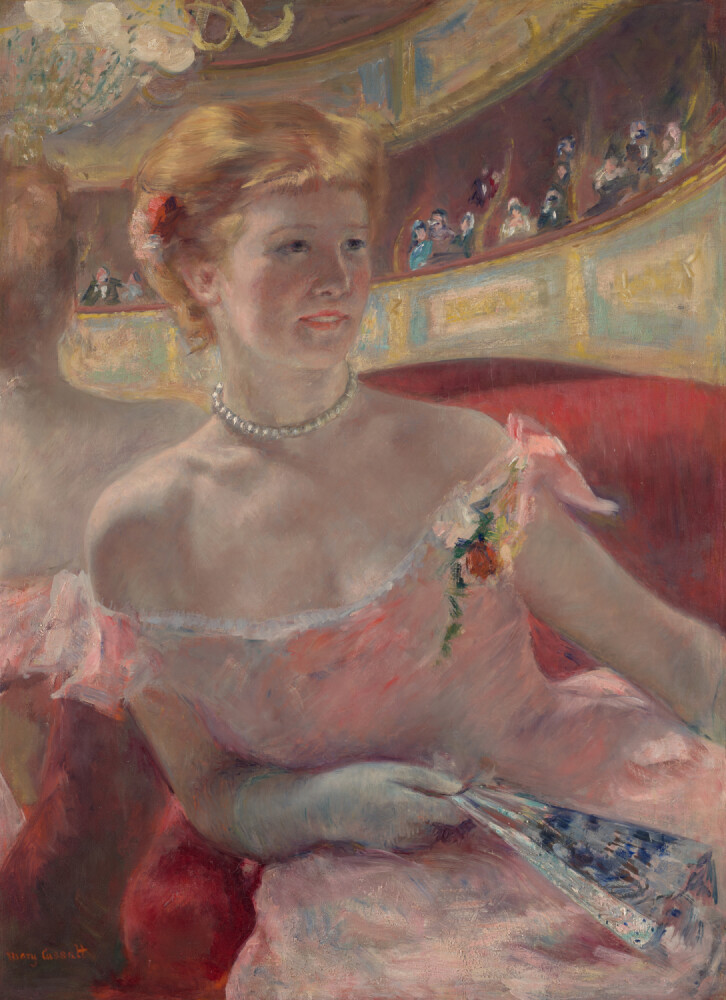
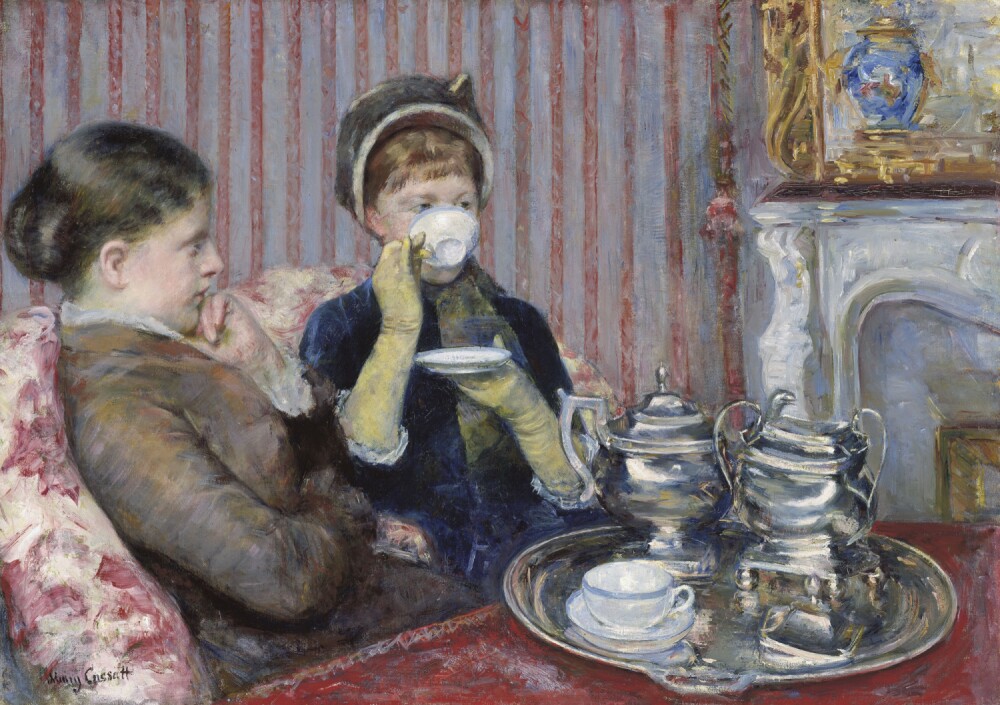
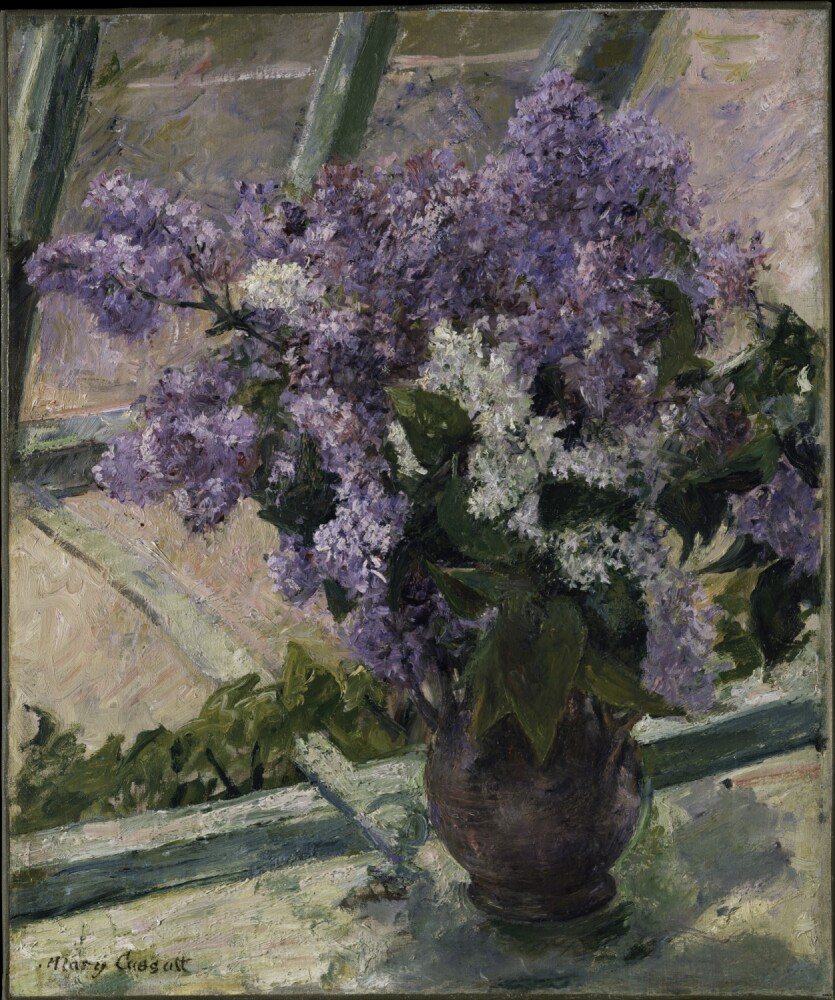
]]>The gap is real. Orsay’s own archive lists only one earlier show under her name: a 1988 presentation, organised with the Bibliothèque nationale, centred on her graphic work. Nearly four decades on, the museum is attempting something far more ambitious — close to 80 paintings, pastels and prints spanning her entire career, including rarely shown works from European public and private collections and American loans seldom seen outside the United States. The curators also draw on previously unpublished letters.
Installed on level 0, in the museum’s main exhibition space, and mounted with the exceptional participation of the Bibliothèque nationale de France, the exhibition will then travel to the National Portrait Gallery in London (4 March – 6 June 2027) and the Museum of Fine Arts, Boston (7 July – 28 November 2027).
Independence as a method
The organising idea is in the title. Cassatt called herself independent and said she could live alone and loved to work; the exhibition takes her at her word, reading her career through that principle rather than through the “mother and child” label that has long followed her. It is a useful corrective. Those scenes of mothers and children were, as Orsay points out, also a market strategy — a genre in strong demand that she mastered and sold, alongside commissioned portraits. Seen this way, the subject that once seemed to confine her becomes evidence of professional acumen.
Equally important is her role as an adviser to American relatives and friends who were building collections, Impressionist pictures among them. That thread matters for anyone trying to understand how so much French painting of the period came to hang in American museums. Cassatt was not only a painter inside the movement; she was one of its channels across the Atlantic.
The lost mural and the suffrage room
Two sections promise the most new ground. The first concerns Modern Woman, her monumental decoration — roughly 4 by 18 metres — for the Woman’s Building at the 1893 world’s fair in Chicago, the largest commission of her career and now lost. Orsay evokes it through related prints and pastels and a film presenting a digital restoration. Her celebrated set of ten colour prints is reread in the same light, as part of an experimental phase tied to her progressive views on women’s education.
The final room turns to politics: a small group of paintings shown in the 1915 New York exhibition she organised with her friend Louisine Havemeyer in support of women’s suffrage. Ending there makes a clear argument — that Cassatt’s independence extended from her studio and her finances to public advocacy.
Why it matters now
The exhibition is curated in Paris by Caroline Corbeau-Parsons and Anne Robbins of the Musée d’Orsay, with Sarah Moulden of the National Portrait Gallery, London, and Erica Hirshler of the Museum of Fine Arts, Boston. It belongs to Orsay’s 40th-anniversary programme, and the museum’s 2026 purchase of Cassatt’s Jeune fille au banjo (1894), which leads the exhibition page, suggests the institution intends more than a single season of attention.
For Honargardi’s readers the show raises a familiar question in a new setting: how institutions write women artists back into histories that always included them. In France, where Cassatt lived and worked for most of her life, the national museums’ first major tribute arrives a century after her death — and on the terms she chose for herself.
Mary Cassatt. L’indépendante — Musée d’Orsay, Paris, 6 October 2026 – 31 January 2027.
Source: Musée d’Orsay, official exhibition page
Press materials: Musée d’Orsay press room
This article was prepared with AI assistance and reviewed by the Honargardi editorial team.
نوشته Mary Cassatt at Orsay: A Centenary Tribute France Owed Her اولین بار در Honargardi. پدیدار شد.
]]>نوشته Zurbarán at the Louvre: The Painter of Silence Takes the Hall Napoléon اولین بار در Honargardi. پدیدار شد.
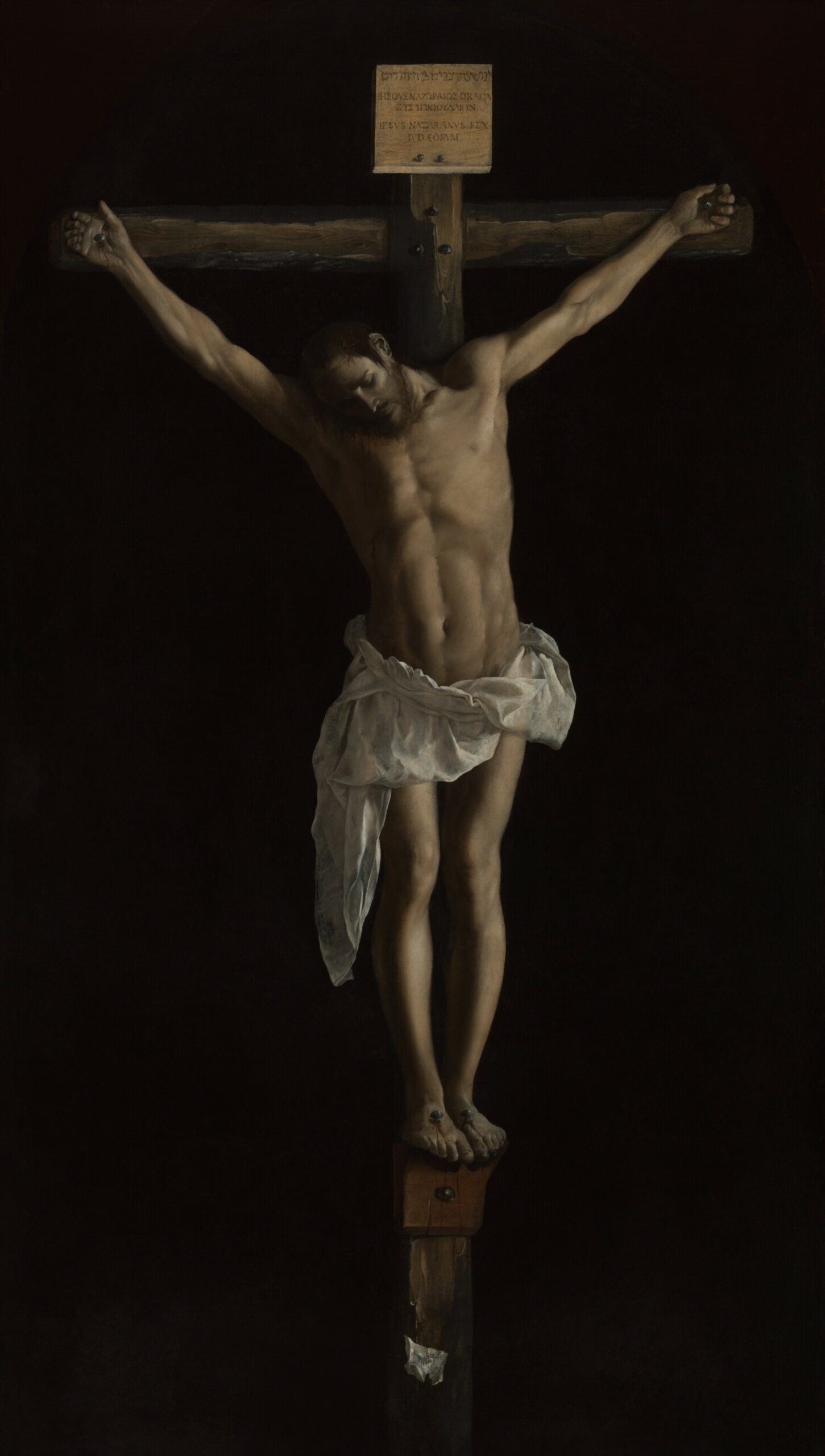
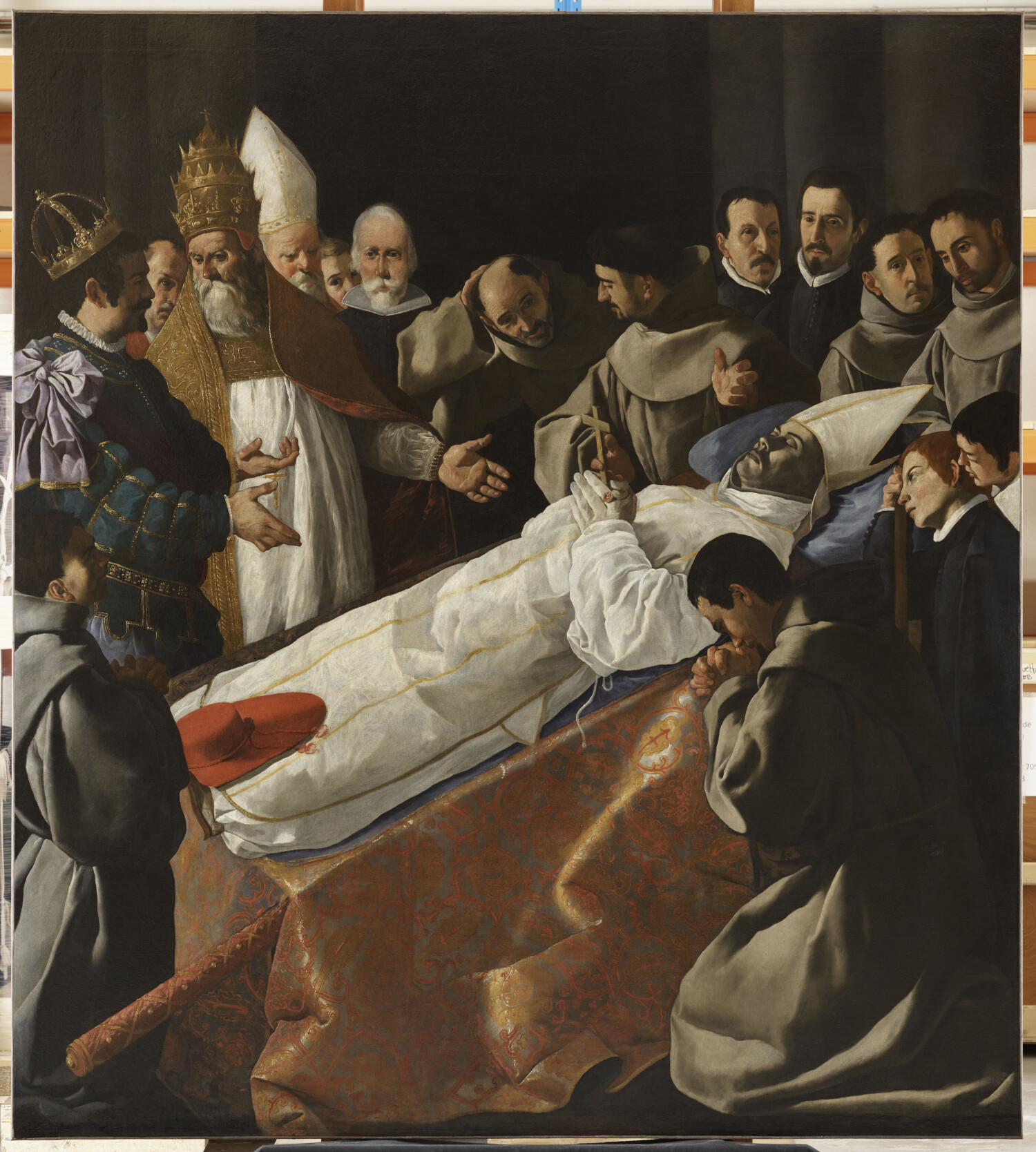
]]>The museum’s framing is instructive. Zurbarán was long filed away as a follower of Caravaggio steeped in monastic austerity; only in the twentieth century did he come to be valued as a remarkable colourist with an unmistakable personal style, pairing simplified volumes with striking naturalism. The Louvre says it has not aimed for an exhaustive monograph but for an ambitious selection of first-rate paintings, arranged in seven sections that follow his long career while occasionally breaking chronology to group works together.
The scale is substantial: according to the Louvre’s press materials, the exhibition brings together 65 paintings, 50 of them by Zurbarán himself. Although he has been the subject of several exhibitions over the past decade, this is the first large-scale international presentation of his work since the monograph shown at the Metropolitan Museum of Art and the Grand Palais in 1987–88.
Monks, saints and still lifes
The emphasis falls on the large canvases from monastic commissions in Andalusia that made his name, but portraits and still lifes are given real space, as is the short-lived output of his son, Juan de Zurbarán (1620–1649) — a rare opportunity to see the son’s work beside the father’s. The image the Louvre has chosen to lead with, Saint Casilda (c. 1635, Museo Nacional Thyssen-Bornemisza, Madrid), says a great deal: a single figure in sumptuous dress set against darkness, half court portrait, half devotional image.
An epilogue in modernism
The most telling decision comes at the end. A small group of works from the late nineteenth and early twentieth centuries — by Édouard Manet, Pablo Picasso and Juan Gris — closes the exhibition, pointing to Zurbarán’s importance for the French avant-gardes. The pared-down forms and intense light that once read as piety now read, to modern eyes, as formal daring.
A Spanish autumn
The retrospective shares its space, and a jointly designed scenography, with Sculpter la couleur, devoted to masterpieces from the Museo Nacional de Escultura in Valladolid; a single ticket covers both. Around them the Louvre has built a full Spanish season: an opening concert by Ensemble Cantoria under Jorge Losana on 7 October, a cinema carte blanche to Rossy de Palma, lectures, and a “Grand Week-end Espagne” in December. The exhibition is curated by Charlotte Chastel-Rousseau, chief curator in the Louvre’s Department of Paintings, with Francesca Whitlum-Cooper and Daniel Sobrino Ralston of the National Gallery and Rebecca Long of the Art Institute of Chicago.
That pairing of painted and sculpted devotion is the season’s quiet thesis. In seventeenth-century Spain the two arts competed to make the sacred tangible; placed side by side, Zurbarán’s almost sculptural figures may finally be seen for what they were — images made not only to be looked at, but to be felt.
Zurbarán 1598–1664 — Musée du Louvre, Hall Napoléon, 7 October 2026 – 25 January 2027.
Source: Musée du Louvre, official exhibition page
Press materials: Musée du Louvre press room
This article was prepared with AI assistance and reviewed by the Honargardi editorial team.
نوشته Zurbarán at the Louvre: The Painter of Silence Takes the Hall Napoléon اولین بار در Honargardi. پدیدار شد.
]]>نوشته André Teymouri on Painting Men Who Don’t Exist اولین بار در Honargardi. پدیدار شد.
]]>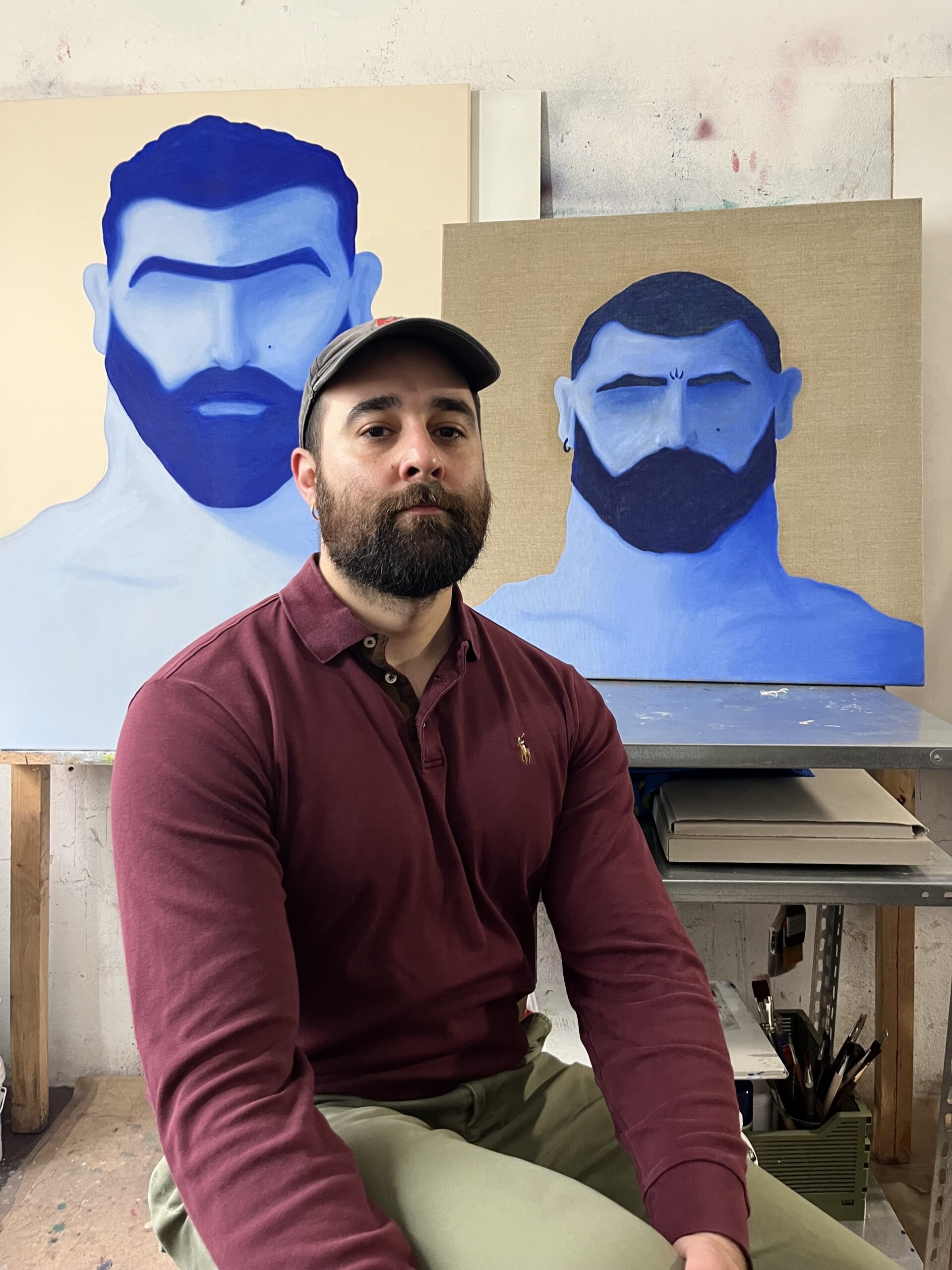
Teymouri was born in Gunzenhausen, Germany, in 1991, to a Persian father and a German mother, and studied landscape architecture at Hochschule Weihenstephan-Triesdorf before turning to painting full time. He is now based in Berlin. His work has been part of Galerie Newman’s collection since this spring and appeared in the group exhibition “Existence” in Hamburg this past summer; TOH! Magazine profiled him, writing that his men “aren’t always tied to the Middle Eastern world.” Several of his portraits — Minoo, Farzad, Crybaba, both untitled canvases from this year — are already marked sold on his own site, and his prints circulate through Kellerkreuzberg in Berlin, HARD STORE in Athens, Juicy Shop in Leipzig, and Odd Kiosk in Barcelona.
We put eight questions to him in writing. His answers are printed below, lightly edited for punctuation and typography only.
You trained in landscape architecture at Hochschule Weihenstephan before painting became your main practice — what pulled you toward portraiture, and does that training still show up in how you compose a canvas?
It all started with a self-portrait. There was something about capturing a person through their face and physical features that immediately felt right to me. My studies and professional experience in landscape architecture don’t necessarily have a direct influence on how I compose my paintings. I wouldn’t say that I consciously apply what I learned there to my work. However, I do think that studying and working in a visual field has shaped the way I observe spaces, forms, proportions, and compositions. So even if the connection isn’t always obvious, I’m sure some of it has found its way into my practice.
Blue runs through nearly every piece — Minoo, Bababoi No. 4, Crybaba. Was there a specific moment you landed on blue as your language, or did it build up piece by piece?
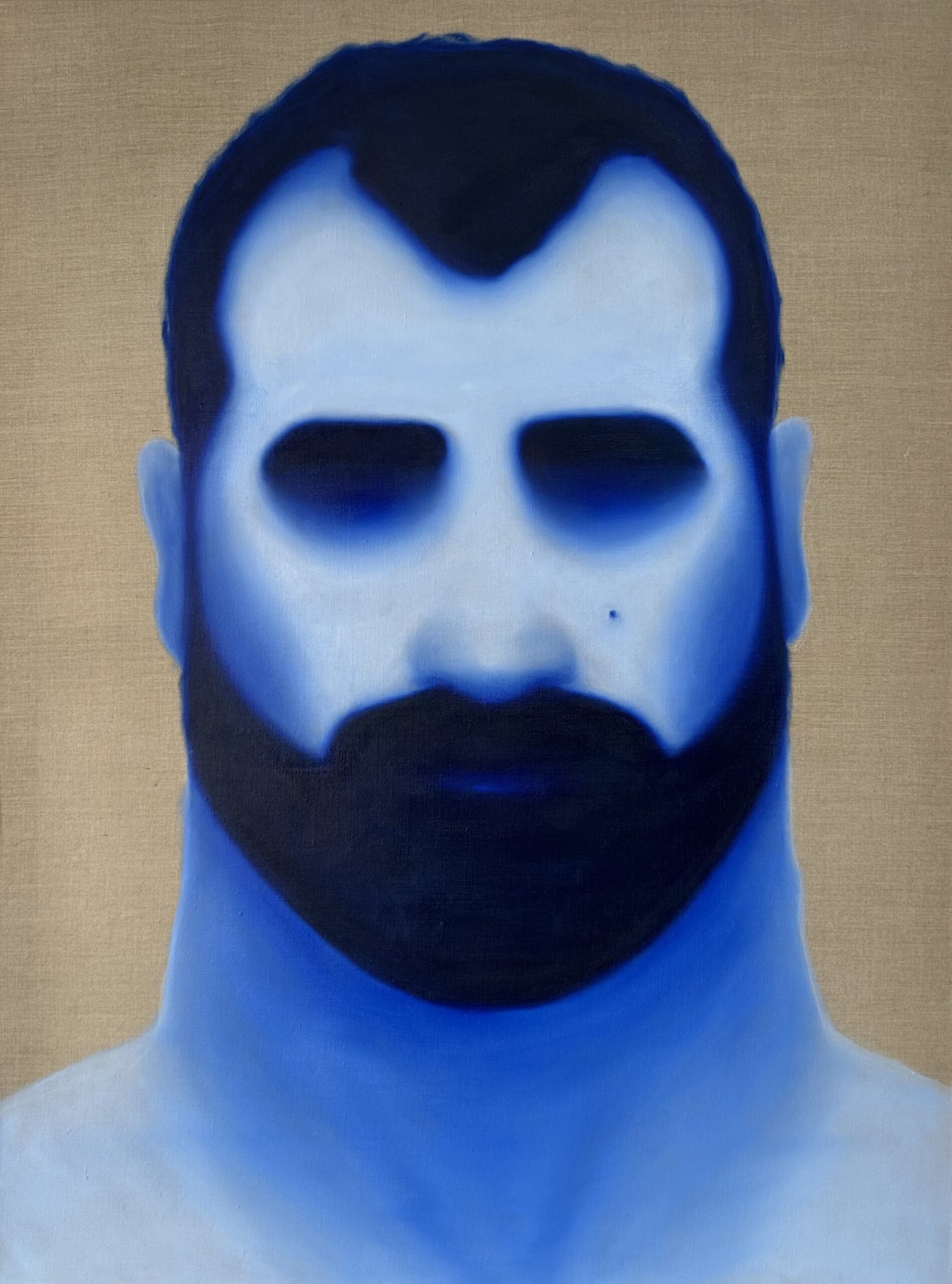
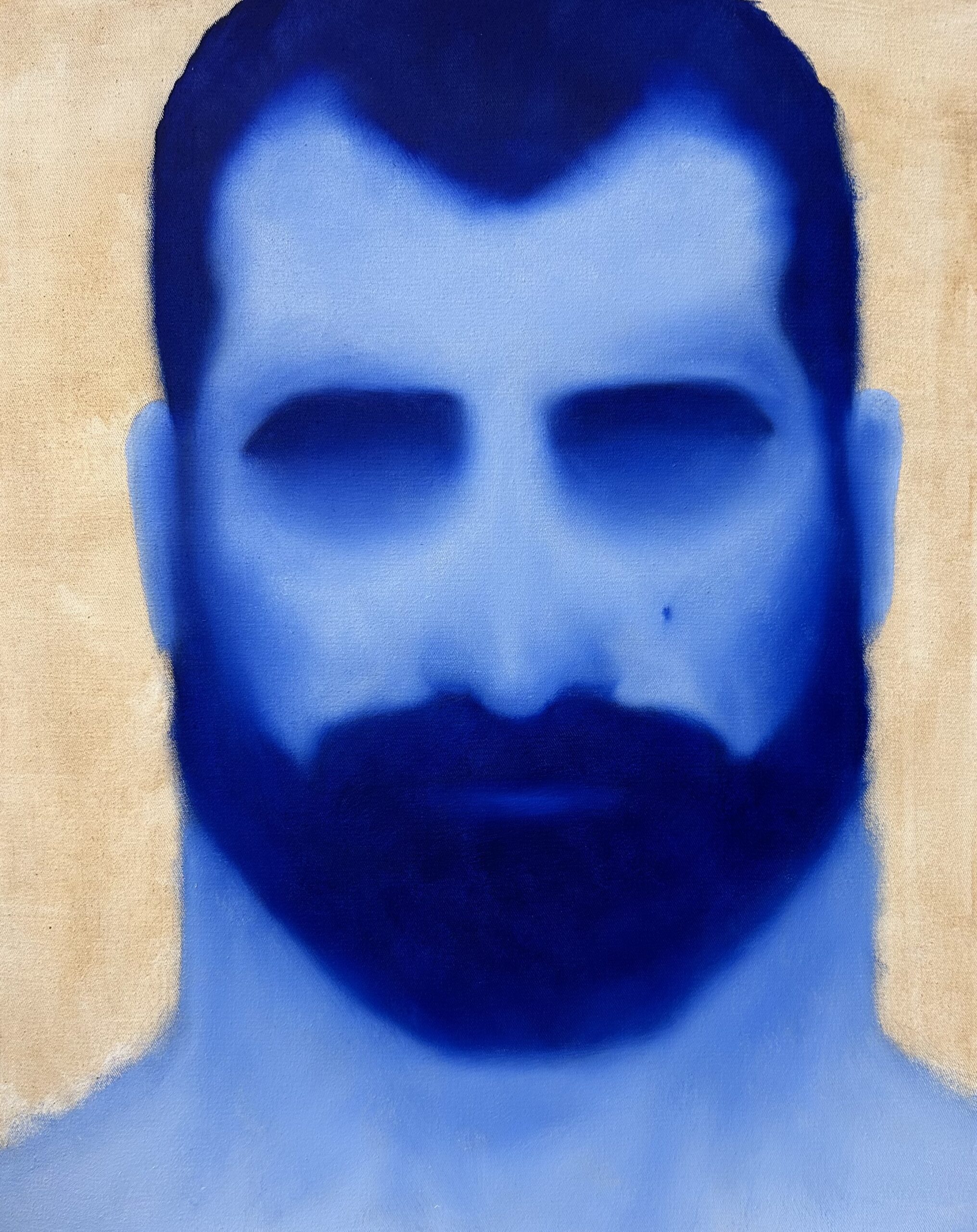
Because of my background, the colour blue was always present in my surroundings while I was growing up. Persian carpets in blue and white, for example, were a big part of my home, as well as blue glasses with gold details that belonged to my grandmother. I think all of these things had a strong influence on me visually and shaped my relationship with the colour blue from an early age. I guess that’s why it eventually became such an important part of my own work.
Your men are often bearded, broad-shouldered, shirtless — read at first glance as classic hypermasculine types, but the blue softens that. Who are they to you — people you know, composites, archetypes?
The men I paint don’t exist as such. They are usually fragments — individual features of men I encounter in everyday life, whether on the subway, on the street, or on Instagram. These are brief moments in which I take note of certain features and hold on to them. Eventually, these fragments come together on the canvas. What I find interesting, though, is that many people I know — friends, acquaintances, or even partners — recognize someone they know in these portraits.
Titles like Bababoi and Crybaba have a playful, almost teasing tone next to how quiet and intense the paintings are. What do these names mean to you, and how do you usually land on a title?
Because my artist alias is eybaba and I started calling all of my portraits “Bababoi” when I first began making them, the idea of incorporating the word “Baba” into my titles naturally came about. In general, the title depends on whether the work belongs to a specific series or not. For example, my larger works often have Persian names. Most of the time, the names also have a meaning behind them. This idea came to me when I realized that, after finishing a painting, I would often sense a certain feeling or presence within the work. I then started looking for a Persian name that could capture and express that particular feeling or presence.
TOH! Magazine wrote that your men “aren’t always tied to the Middle Eastern world.” Do you agree with that reading, or is your Persian heritage more present in the work than viewers might assume?
Good question. I would say sometimes more, sometimes less. But I would say that most of my portraits do have features that are typically associated with men from the Arab or Persian regions — beards, masculine facial features, and body hair.
Your practice is often described as sitting at the intersection of heritage, emotion, and queerness. How present is that last part in the paintings themselves, versus in your life as the person making them?
In the beginning, I would say that my work was much more explicitly homoerotic. Over time, however, I started asking myself whether my work was still queer or gay, and what those labels actually meant in relation to my art. Nowadays, I think it’s really up to the person looking at my work to decide whether they see it as queer, gay, or simply as art. Of course, I am a gay man, and that perspective is inevitably part of who I am as an artist and shapes the work I create. But at the end of the day, I make art. And I think that’s one of the beautiful things about art: everyone brings their own experiences, emotions, and interpretations to it. There doesn’t have to be just one way of seeing or understanding a work.
Within the same body of work you move between oil on linen, acrylic, charcoal, and mixed technique on paper. What does each material let you say that the others can’t?
I love playing with and experimenting with different materials. Each material has its own qualities and can achieve things that the others simply cannot. For me, the process of discovering these qualities is what matters most — understanding how each material behaves, how it interacts with the others, and what kind of aesthetic I can create with it. There is something exciting about not always knowing exactly how a material will respond and allowing that process of experimentation to become part of the work itself.
What’s next — any subject, material, or scale you’re pushing toward that isn’t in this portfolio yet?
I would like to incorporate the male body more into my work and explore it further as a subject.
Afterword
Asked what’s next, Teymouri didn’t point to a new colour or a new city, but to the body itself — he wants to bring the male figure further into the work than the faces and shoulders that have carried it so far. The blue, on his account, was never a strategy; it arrived first, in a grandmother’s glassware and the carpets of a childhood home, long before it became a way of working against a stereotype.
He continues to paint from Berlin, where his portraits move quickly — from canvas to private collections, several of them already sold before this piece went to press.
Read next: Nicole Meeuws on Painting After a Near-Death Experience
André Teymouri paints under the name Eybaba, from Berlin. His work can be seen on Instagram, through Galerie Newman, and at Odd Kiosk.
Interview conducted in writing by Kasra Aliha for Honargardi, September 2026. Artworks reproduced by permission of the artist; copyright André Teymouri.
نوشته André Teymouri on Painting Men Who Don’t Exist اولین بار در Honargardi. پدیدار شد.
]]>نوشته Zero-One | An overview of the drawings by AbdolHossein Pazoki اولین بار در Honargardi. پدیدار شد.
]]>Biography:
Abdolhossein Pazouki / August 6, 1942
He was able to achieve alternating volumes and apply them in architecture by understanding the shape and condition of the concept of a plane surface.
His teaching expertise has extended his perspectives over the years, allowing him to stay up with the contemporary trend.
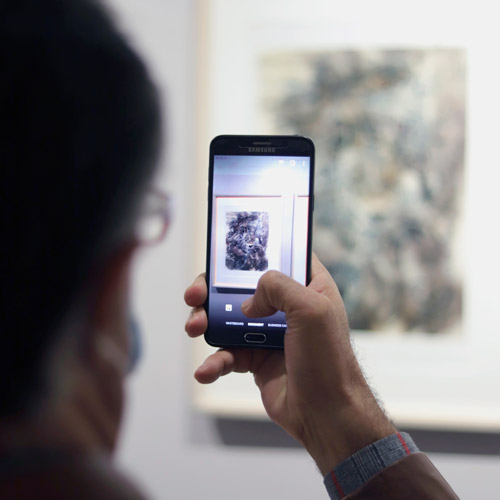
“Immigration” not only did not weaken his understanding of the cultural background but also reminded him of more authentic symbols and signs, which are clearly visible in his works, from the very early stages of creation till performance.
(Middle, center, outside) are interconnected concepts that always show the audience the idea of the components of a collection.
In fact, he sews holes and gaps via the lines and connections of surfaces, linking the inside world to the outside world.
In the field that reigns with its tools, the path and the road exert both visible and hidden effects on each other at the same time.
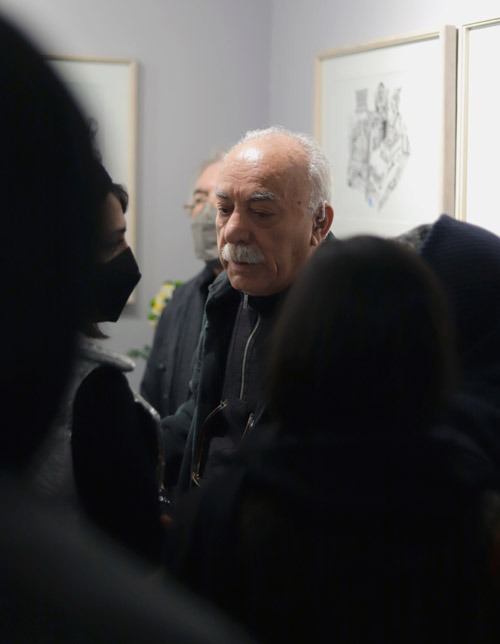
After years of thought and work, as well as stillness and intensification, he has continued his path as if he has been whistling, shouting, slipping, and falling from one turning point of thought to another.
His designs and paths of creation are of high significance; they are sometimes deemed as everyday events that he has gone through but has not forgotten.
Any work that flourishes and manifests itself, in his opinion, is as important as a poem, a story, or a chapter of a book that invites us to an inner dialogue with the artist in its stuttering language.
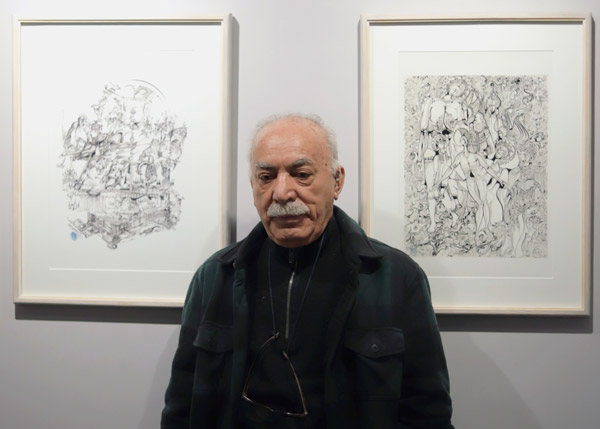
Other characteristics of Abdolhossein Pazouki’s image and imagination of his homeland and lived experience include a musical sense and mathematical elements in the context of negative and positive forms that are in the camouflage of the peripheral and expressive lines.
His recent exhibition at Aliha Gallery represents his mood and thoughts, as well as the ups and downs of his emotions and perceptions that emerge from the hidden layers of his existence.
Ghazal Zare, Autumn of 2021
Tehran
Aliha Gallery
نوشته Zero-One | An overview of the drawings by AbdolHossein Pazoki اولین بار در Honargardi. پدیدار شد.
]]>نوشته Tools of destruction; About Parisa Pakzamir’s Glitch Video Art اولین بار در Honargardi. پدیدار شد.
]]>Parisa Pakzamir was born in 1988, is a costume designer, and is currently based in Rasht. In this glitch video, she believes that the lack of combination or adaptation of classical and modern formats within or on top of each other, and the creation of a strange and sometimes unpleasant creature, inspired the creation of this work.
For the conscientious objector, this feeling can be both a personal matter and a conflict between traditional and advanced events in the context of society. The transcendent goals of the viewer are to understand the effect of the owner of the work on the events and realities around it, and to recognize this created being, and to train and modify it for interaction and coexistence. This work may be the starting point for the work of the owner and the audience to express personal views in pixel art language and glitch art dialect.
Glitch Video Art Parisa Pakzamir in the group exhibition “Glitch; Pixel Language » Platform 101, curated by Mohammad Ali Famori and Sadegh Majlesi, will continue to be shown in the space of -1 Bavan Gallery in Tehran until Thursday, December 16, 2021.
نوشته Tools of destruction; About Parisa Pakzamir’s Glitch Video Art اولین بار در Honargardi. پدیدار شد.
]]>نوشته Limitlessness Exhibition at Aliha Gallery اولین بار در Honargardi. پدیدار شد.
]]>The short statement of this exhibition states:
“We live in an age where constraints have become an integral part of our lived experience; Now, if we were to depict them with a negative letter prefix, what would be the result?”
According to the public relations of the Aliha Gallery, the present collection is the view of ten contemporary artists on “Limitlessness,” which has been compiled by the efforts of Kasra Aliha.
Vahid Ahmadi Tabatabaie, Mohammad Ali Famori, Arsalan Ahmadinejad, Fatemeh Ahankar, Mehdi Jalali, Mina Asadi, Pantea Bayat Mokhtari, Parastoo Khoshhesab, Pouria Pourabrahim, and Samaneh Yousefi are the artists present in this exhibition.
All the works of this exhibition are to be displayed virtually on Aliha Gallery and social networks.
Please consider that due to the exceptional circumstances caused by the coronavirus epidemic, a face-to-face visit to the exhibition will be possible only with prior reservation (NOT in groups) under health protocols, and visitors must call 22717360 before attending.
Address: No 31, Ahmadi Moghadam Alley, Ramezanian Alley, Mahroozadeh Avenue, Shariati Street, Tehran
نوشته Limitlessness Exhibition at Aliha Gallery اولین بار در Honargardi. پدیدار شد.
]]>نوشته Interview with Nasrin Charkhat at Aliha Gallery اولین بار در Honargardi. پدیدار شد.
]]>Read the interview:
- At the first glance, your artworks resemble something between painting and illustration. Can you explain in this regard?
First, let me point out the difference between painting and illustration and then refer to my own.
It is true that nowadays the distinction between painting and illustration is fading gradually but there are still some differences which can be found. I think both media want to transfer some messages which in illustration this message transfer is done with the help of a story. But in painting the process of creating an artwork takes place in the artist’s mind. In the illustration, there is already a story that leads the artist but in painting, there is a spontaneity that makes it different from the illustration.
In my works, I was struggling between forms and their relation to each other and to the framework. Because there were a lot of soft, smooth and flexible forms in contrast to sharp and pointed ones, flowing from my mind, which in times these limitations were annoying. They are my mental illusions and I hope my audience can engage himself in my mentality and find his way through.
- what is your main concern in your artworks and what can you say is your personal signature?
My main concern in this collection is to show the effort for keeping order in the movement of twisting forms and protecting this cycle. A war that has been occurring in human history over and over again. Actually, the aim is to show the failure in protecting the cycle which is defeated beyond all the efforts and we see its destruction and collapse. The subject of this collection refers to a dilemma and internal problem, which is the result of the collapse of order in a cycle. The mental perception of an internal condition that cannot be seen but exists. Perhaps these works will be interpreted as feminist art, but they are not, they have only tried to express the problem that most women in the world have in a simple way. The problem is called the collapse of order in circular motion.
- You will have an exhibition in the Aliha Gallery recently. Which collection is going to be displayed and how long did it take to complete this collection?
The title of the set that is currently being displayed is called Reversible. There are thirteen panels in different sizes with acrylic and collage technique. The production of the present series took two years to complete.
- How do you see your career perspective?
I will always try to create a collection of works which I would never confine myself to using a particular style.
نوشته Interview with Nasrin Charkhat at Aliha Gallery اولین بار در Honargardi. پدیدار شد.
]]>نوشته Iranian Art Festival a transnational event in the field of Visual Arts اولین بار در Honargardi. پدیدار شد.
]]>Countless artistic events are held around the world by private and public institutions, but they are getting pale and forgotten in Iran over the past three decades and this is mostly due to the distance of the community from cultural and artistic groups, which has undergone a different trend over the past few years.
The Art Festival of Iran is one of the few examples that have started its work after several years, and the young and experienced team has created many hopes and wishes in this process. In sum, this event is a competition with professional judgment including some teams of the valid galleries and people choice that is held on visual arts.
The process of the holdings is as follow: first, the artists send their works in the field of Painting, photography and the works created by digital methods on the festival web site online, one month is considered for sending the works, then these works is judged by people and the better works are selected based on the number of the votes, after that the site is closed for sending the works, the works that obtain the highest score by the judges will be presented as the winners.
The difference judgment of the festival is the strength of the event because it is done in two domains, means people selection and judge committee. In the first place, participants try to show their works among ordinary people and acquaintances in order to obtain more votes. This will be positive step for presenting visuals arts. Second, the judges are gallery owners and the experts who are active in the world of art. They have enough information about art business whether in Iran or outside of Iran.
It is custom that the judges are selected among different art pioneers and professors but the fact is something else. Selection of the judges among the known gallery owners of the country or organizers of the artistic events will provide better position for the artists. In the last festival most of the novice artists obtain opportunity to show their works among active art groups and collectors in the Museum of Contemporary Art of Iran and this is the main purpose of the festival. Also, the works are seen by over 200,000 voters, this is a good sign of the correct process of the people selection and attraction of the interest and permeability of the event in the community that even if they do not follow the artistic works but now they become acquainted with the visual arts of the today’s generation.
Given the fact that this collection is organized by independent and nonprofit groups, the need for financial support and the news of this festival is felt more than anything else.
take a look at the web site
http://artfestivals.ir
General goals of the Iran Art Festival
- Presenting young generation and creating the way for presence in the active parts of the art
- Creating the bed for artists to be seen at the cities with lower availability
- Introduction the works by the Iranian educated artists to the artistic community out of Iran
- Direct show of the artists works in valid galleries thereby the festival influence at the judgment discussion and the works are to be seen by the experts in the known galleries
- Introducing the visual arts to more people in the community that are not active in artistic domain
- Discovering the new talents in conceptual and visual arts
نوشته Iranian Art Festival a transnational event in the field of Visual Arts اولین بار در Honargardi. پدیدار شد.
]]>