
UNESCO’s Evaluation Body has recommended that three multinational nominations in which Iran takes part be inscribed on the Representative List of the Intangible Cultural Heritage of Humanity, according to the working documents of the twenty-first session of the Intergovernmental Committee for the Safeguarding of the Intangible Cultural Heritage. The Committee meets in Xiamen, China, from Monday 30 November to Saturday 5 December 2026. The three files are “The tradition of honoring water and rain, Tirgān/Vardavar”, submitted by Armenia and Iran; “Traditional felt making”, submitted by Azerbaijan, Iran, Kazakhstan, Kyrgyzstan, Mongolia, Tajikistan, Türkiye and Uzbekistan; and “Traditions of baby cradling and singing lullabies”, submitted by Turkmenistan, Tajikistan and Iran.
The recommendations are not yet decisions. They take the form of draft decisions that the Committee examines during its session, which is chaired, according to UNESCO, by Gao Zheng, China’s Vice-Minister of Culture and Tourism. The final decision rests with the Committee. All three, UNESCO’s list of submitting States shows, are multinational nominations that could not be treated in the previous cycle.
Tirgān/Vardavar: water, rain and a caveat
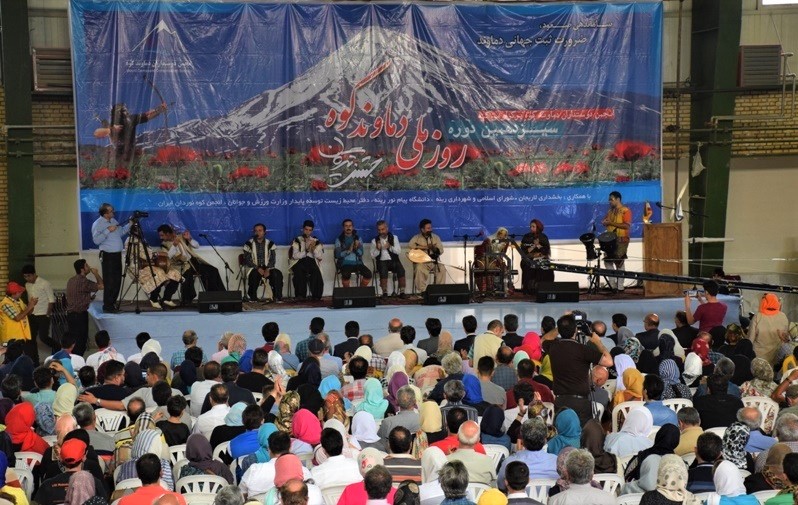
Draft decision 21.COM 7.b.35 describes Tirgān/Vardavar as a celebration of water and rain rooted in ancient customs and beliefs, including the worship of water. Its traditions range from public water games to family and community gatherings; traditional meals include lamb dishes and a layered ritual cake baked in a fire oven, and the celebration is observed near mountain springs. As a summer solstice festival, the document adds, it is also associated with floral decorations and wheat adornments.
The draft proposes inscription, but it also encourages the submitting State to incorporate into its safeguarding measures actions aimed at preserving the quality and availability of the water on which the practice depends. It notes that the Armenian community in Iran played a significant facilitating role in preparing the file, and the Evaluation Body’s report cites the nomination as a good example of a consent video in which the communities clearly express their support.
Felt making and lullabies
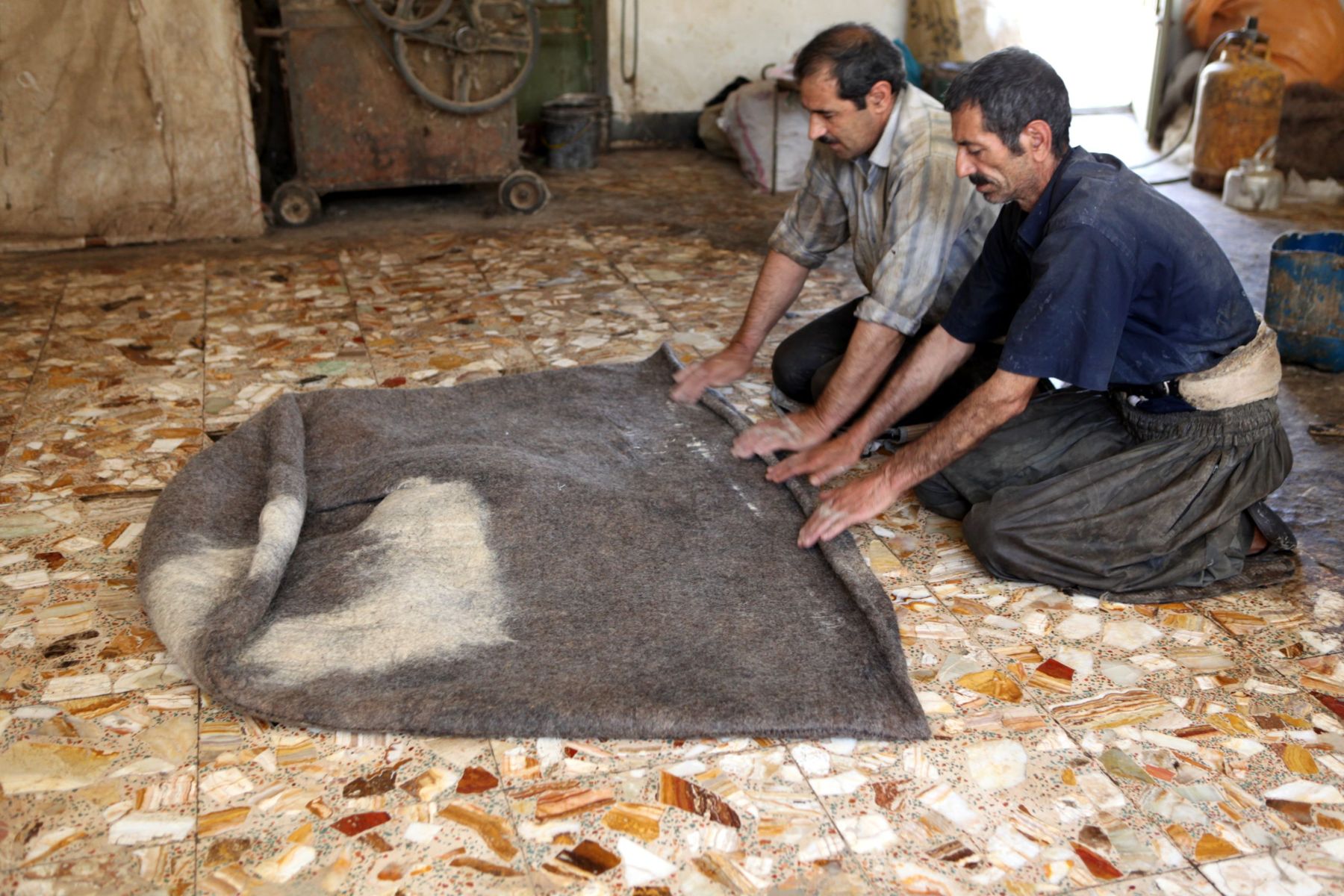
Draft decision 21.COM 7.b.36 defines felt as a dense, non-woven material traditionally crafted from wool and used for everyday items ranging from carpets and prayer mats to yurt coverings, clothing and accessories, made through a labour-intensive process that entails shearing the sheep, cleaning the wool and dyeing it. The draft proposes inscription and commends the eight States for their exemplary collaboration; the Evaluation Body’s report calls the file a good example of international cooperation and community participation.
Draft decision 21.COM 7.b.28, on baby cradling and lullabies, describes hanging cradles made with handmade string and cloth and wooden cradles made by craftspeople, swung by parents, mostly mothers and grandmothers, while they sing to calm the baby; items such as bread, coins or mirrors are sometimes added for protection and blessing. It notes that the element was included in Iran’s national inventory of intangible cultural heritage in 2010 and 2017, an inventory maintained by the Deputyship of Cultural Heritage of the Ministry of Cultural Heritage, Tourism and Handicrafts. Here too the draft proposes inscription.
Iran’s delegation
On 11 November, the Tehran Times reported that Hassan Fartousi, secretary-general of the Iranian National Commission for UNESCO, had announced the three nominations and said that representatives of the National Commission, the Ministry of Foreign Affairs and the Ministry of Cultural Heritage, Tourism and Handicrafts, together with experts involved in preparing the dossiers, would attend the Xiamen session. The newspaper described the lullaby file as prepared jointly with Turkmenistan; UNESCO’s documents also list Tajikistan as a co-submitting State.
Practical information: Twenty-first session of the Intergovernmental Committee for the Safeguarding of the Intangible Cultural Heritage (21.COM), Xiamen, China, 30 November – 5 December 2026. The working documents have been online since 4 November 2026 on UNESCO’s intangible heritage website.
Sources
- UNESCO Intangible Cultural Heritage, “21.COM – Twenty-first session of the Intergovernmental Committee”
- UNESCO, document LHE/26/21.COM/7.b and addendum, “Examination of nominations for inscription on the Representative List”
- UNESCO, document LHE/26/21.COM/7, “Report of the Evaluation Body on its work in 2026”
- UNESCO, “Files 2026 under process”
- UNESCO, “Submitting States and priorities 2026”
- UNESCO, “21.COM Documents are now online”, 4 November 2026
- Tehran Times, “Iran to present three intangible heritage nominations at UNESCO meeting in China”, 11 November 2026
This article was written with AI assistance, supervised by Honargardi’s editorial team.