
The Petit Palais in Paris will open the exhibition Brussels 1900 on 10 November 2026, according to the museum’s press release. It brings together more than 250 works — paintings, sculptures, decorative arts, posters, jewellery, photographs, architectural designs and graphic arts — documenting the art scene of the Belgian capital around the turn of the twentieth century. The exhibition runs until 25 April 2027.
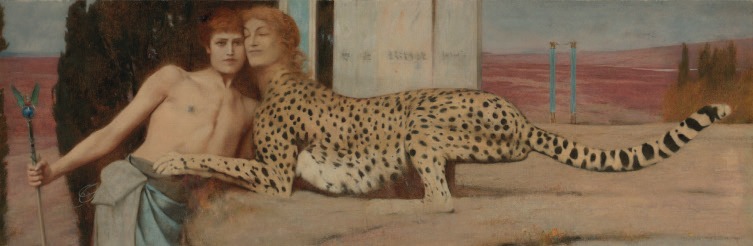
The show is organised in partnership with the Royal Museums of Fine Arts of Belgium, the Royal Museums of Art and History and the Royal Library of Belgium (KBR), which have made exceptional loans from their collections, the Petit Palais says. It also receives the support of the musée d’Orsay. The title refers to the 1900 Exposition Universelle in Paris: according to the museum, the Belgian section in the newly inaugurated Grand Palais, with almost 150 paintings and sculptures, was met with unanimous enthusiasm and confirmed Brussels as a major European art centre at the turn of the century.
Seven thematic sections
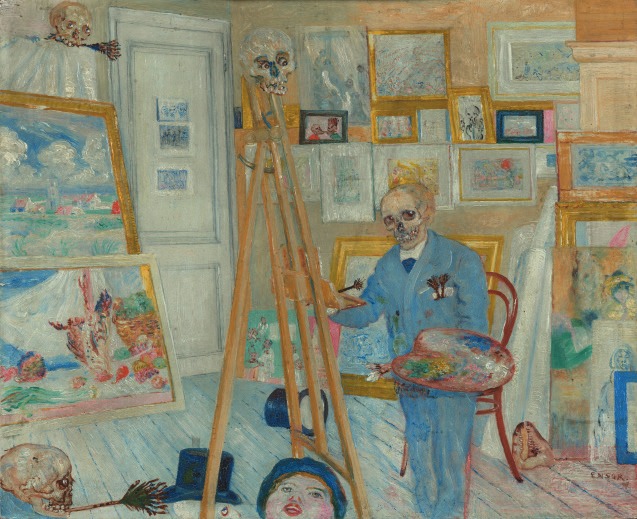
The press release says the exhibition is divided into seven sections. It opens with the artistic circles, such as La Libre Esthétique, that shaped Brussels’s cultural life in the late nineteenth century and fostered collaborations between painters and writers; the museum cites Léon Spilliaert and Maurice Maeterlinck, Émile Verhaeren and Théo Van Rysselberghe, and Max Elskamp and Henry van de Velde. James Ensor, Fernand Khnopff, Léon Frederic and Jean Delville are named among the key figures.
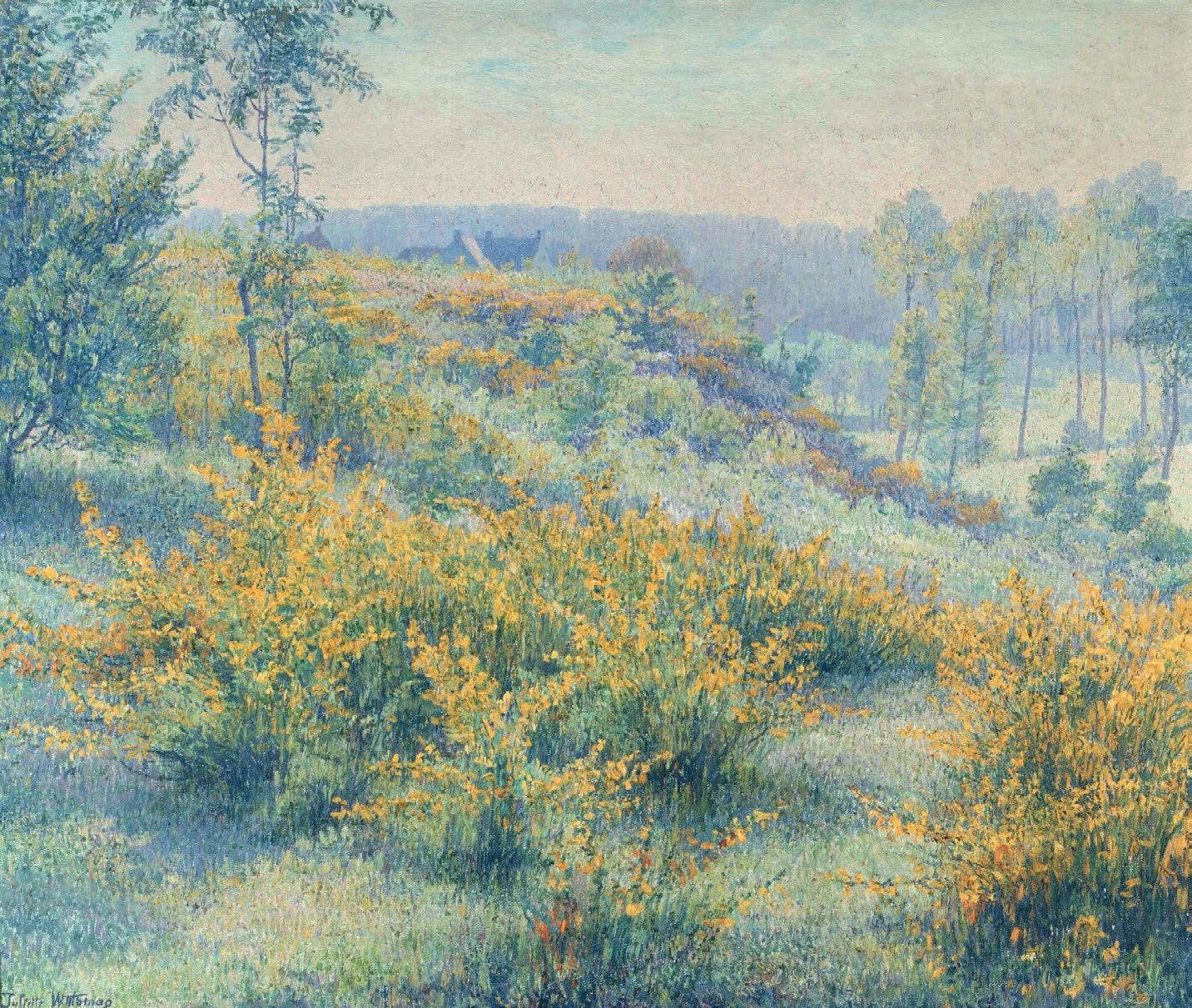
Later sections address mystery, dreams and the supernatural, where the museum highlights Jean Delville, founder of the Pour l’art circle; the exaltation of nature, from the Impressionism of Anna Boch and Juliette Wytsman to the Pointillism of Théo Van Rysselberghe, Georges Lemmen and Georges Morren, the Luminism of Émile Claus and the Naturism of Léon Frederic and Firmin Baes; and the depiction of the working classes by Constantin Meunier, Léon Frederic and Eugène Laermans. Another section looks at the relationship with the Flemish tradition.
Total art, and the colonial context
The exhibition also covers the idea of “total art”, in which painting, sculpture, architecture, furniture, typography and jewellery shared one ambition, and Brussels’s role as a cradle of Art Nouveau through the architecture of Victor Horta, Paul Hankar and Henry van de Velde, per the press release. The museum also states that the show addresses the links between this artistic golden age and Leopold II’s colonial activities in the Congo, including the arrival of materials such as ivory and exotic woods, in a context it describes as now being critically re-examined. The final section turns to the Belgian artists at the 1900 Exposition Universelle, several of whom received medals.
Curators
The general curators are Géraldine David, general director of the Royal Museums of Art and History; Sara Lammens, director of the Royal Library of Belgium (KBR); Annick Lemoine, president of the Musées d’Orsay et de l’Orangerie and former director of the Petit Palais; and Kim Oosterlinck, general director of the Royal Museums of Fine Arts of Belgium. The scientific curators are Anne-Charlotte Cathelineau, chief heritage curator in charge of sculpture at the Petit Palais; Davy Depelchin, curator of nineteenth-century paintings and sculptures at the Royal Museums of Fine Arts of Belgium; and Benjamin Foudral, director of the Musée Gustave Courbet in Ornans.
Practical information: Petit Palais – Musée des Beaux-Arts de la Ville de Paris, avenue Winston-Churchill, 75008 Paris. 10 November 2026 – 25 April 2027. Open Tuesday to Sunday, 10 a.m. to 6 p.m., with late opening until 8 p.m. on Fridays and Saturdays, according to the museum’s website, which also lists ticket prices and booking.
Sources: Petit Palais – exhibition page; Petit Palais – press release (PDF); La DH / Belga (cross-check of dates and loan partners).
This article was prepared with AI assistance and reviewed by the Honargardi editorial team.