
Paris, 23 November 2026. Text and photographs: Kasra Aliha.
On Monday evening, the Association Pierre Claver, led by its president Ayyam Sureau, brought its learners to the mk2 Parnasse cinema in Paris to see Juste une illusion (2026), the new film by Éric Toledano and Olivier Nakache. The screening was made possible by Élisha Karmitz of mk2. Afterwards Toledano, who co-directs with Nakache, answered questions from the room for about 45 minutes. Honargardi was there and recorded the exchange.

An evening that Toledano asked for
Sylvana Khouzam, the association’s managing director, who hosted the evening, explained that the association had not invited the director: Toledano approached the association himself, said he liked its work and asked to meet its learners. The audience was very mixed. One speaker at the end listed Afghan, Iranian, Kurdish, Egyptian, Somali, Eritrean, Sudanese, Russian, Ukrainian, Armenian and French origins. The film is set in 1985, and her reasoning for choosing it was simple: arriving in a new country, it helps to know what came before.
France of the eighties, “not better, different”
Toledano, whose parents came from Morocco (Nakache’s from Algeria), said he does not believe the past was better. The film has unemployment, racism and AIDS in it. What he feels the eighties had, and today has less, is a hope of living together; he pointed to the SOS Racisme concert on the Place de la Concorde, which appears in the film. He called that hope an illusion, in the sense of the title, and added that social networks, with their “like or dislike” logic, have made nuance harder.
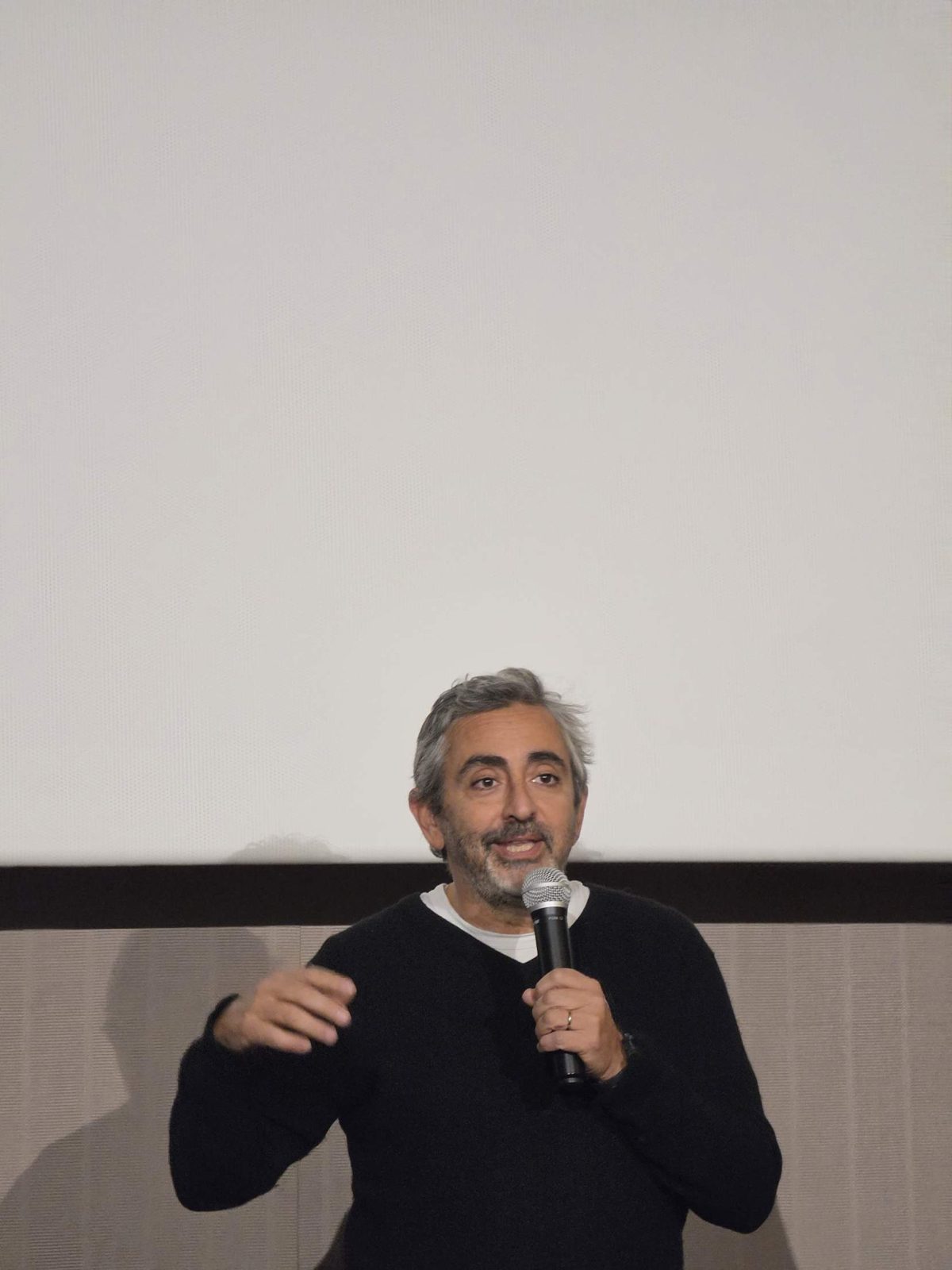
Cinema through the senses
The two directors wanted viewers to enter 1985 through sensation before story: the colour of the walls, the shape of the lamps, the haircuts, the bus. He told the production designer he wanted the audience to smell the apartment. He described cinema as a beautiful illusion and a time machine: everyone knows it is false, and goes in anyway. He cited Proust as his model for memory, and described a film as photographs repeated 24 times a second, whose job is to hold a time that is passing.
Whose nostalgia?
Asked about nostalgia, he distinguished two kinds. For a migrant family it can be painful: the child feels his parents are describing a party he was never invited to. He accepts the nostalgia of childhood and adolescence, not of “an era”. He said first memories of adolescence are the deepest, a claim he presented as established science and which we have not verified.
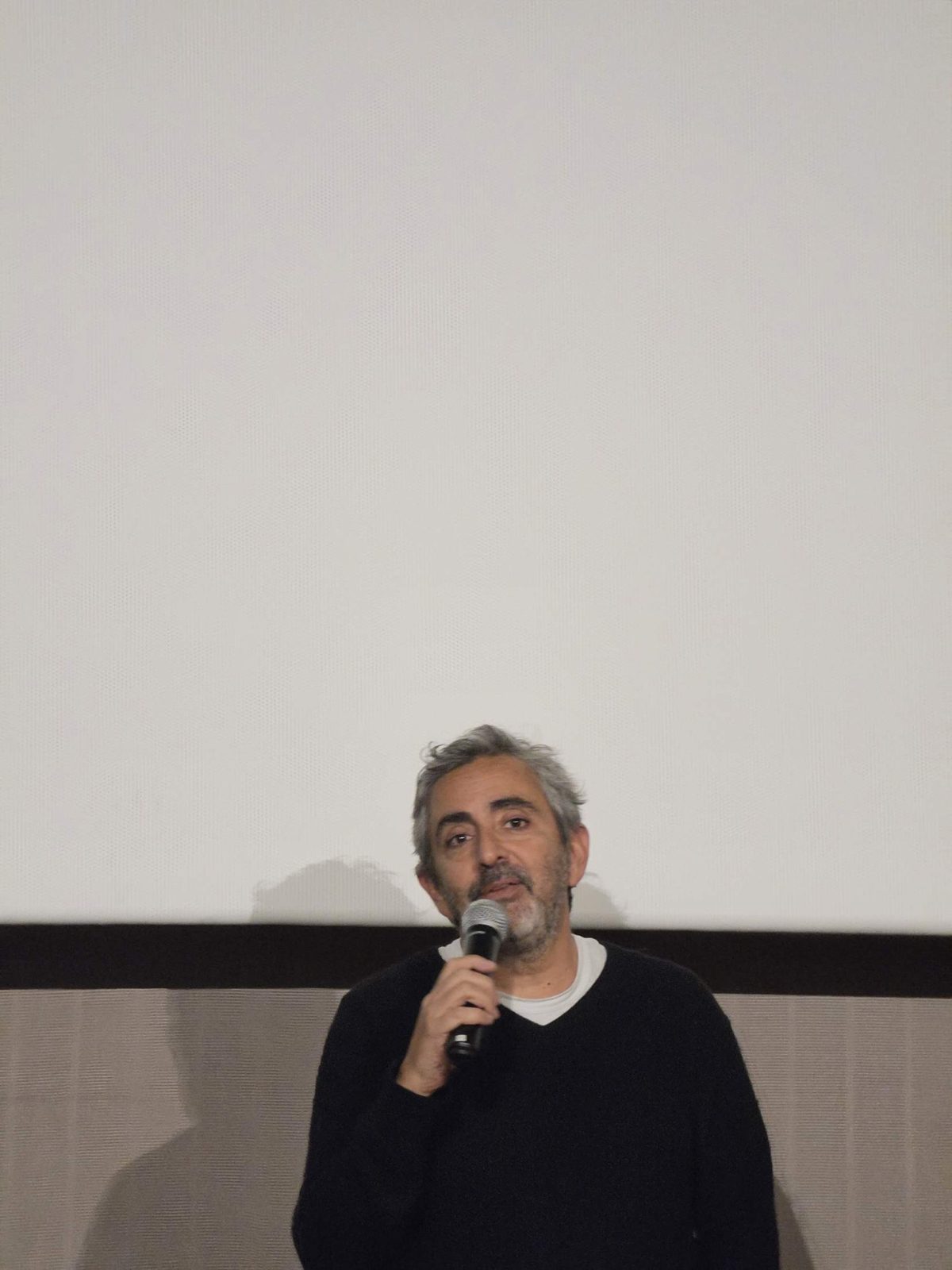
Cinema as “a lie that tells the truth”
Toledano said he wanted to make films since his teens, because cinema let him live lives he had not lived. He quoted Picasso: art is a lie that tells the truth. His father, himself an immigrant, thought cinema was “not for him” and pushed him to study. The film grew from family albums at his parents’ home, and from a friendship: he and Nakache met at a summer camp at 16 or 17. He also said the film was made while his father was ill.
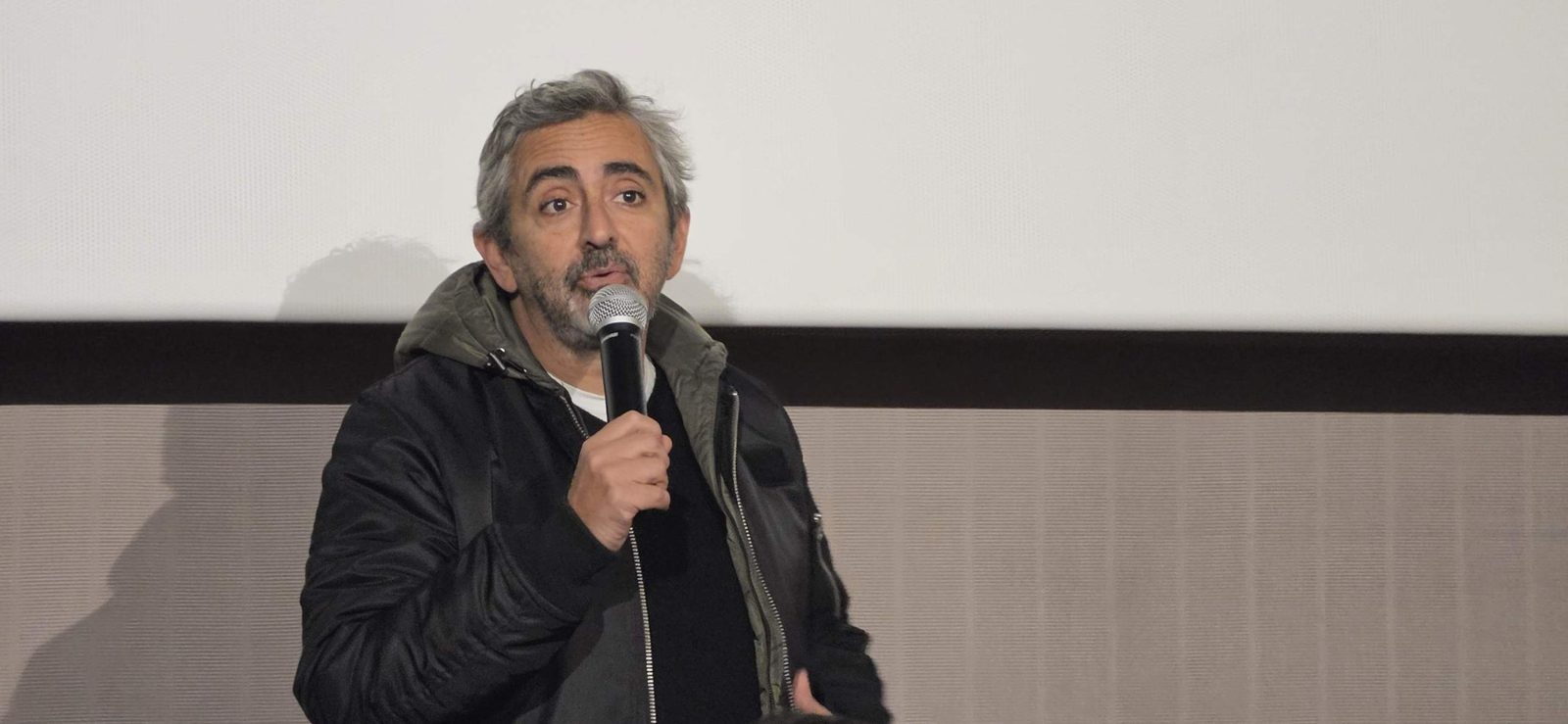
Finding a young actor
The lead boy was 12½ when the film was shot. French law caps a child’s working day at four hours, and the shoot lasted 52 days. The directors saw around 2,000 candidates, looking for a restless gaze that a camera cannot fake. The theatre manager who introduced the boy seemed, on paper, wrong for the part; a screamed scene at the audition changed everything. Toledano said the boy is now on the shortlist for the César “most promising actor” award; this is his statement and we have not checked it.
Equal opportunity, and thirty years with a partner
A member of the audience from a migrant background asked about equal opportunity. Toledano answered that he and Nakache knew no one in cinema when they started, wrote and shot shorts for years, and that France’s support system for film helped. He located the decisive factor in self-confidence, not origin, religion or skin colour, and named Samba, their own film about an undocumented migrant, among the films that deal with it.
The pair have worked together for nearly thirty years. For the first ten they did odd jobs at parties and weddings (washing dishes, DJing, parking cars), and those jobs became Le Sens de la fête. He called directing “an ego job” and loneliness hard, which is why they are two. Laughter, he said, is essential: a day without laughter is not a real day.
Music, and a standing ovation
Music is how they write: they listen all day, and scenes arrive with a track. He called it “one of the film’s actors”. The title comes from the Imagination song Just an Illusion. A viewer said the film felt “honest”, as in a documentary; Toledano took the word to mean sincere and without trickery. The evening ended with the whole room standing to applaud.
Practical information
- Film: Juste une illusion (2026), directed by Éric Toledano and Olivier Nakache.
- Venue: mk2 Parnasse, Paris.
- Organiser: Association Pierre Claver, president Ayyam Sureau.
- Thanks: Élisha Karmitz (mk2).
Source: Honargardi’s recording of the Q&A, plus online references. Statements about the César list and funding are Toledano’s own.
Text and photographs: Kasra Aliha for Honargardi. #Honargardi #JusteUneIllusion #EricToledano #mk2 #Cinema