
The Musée d’Orsay in Paris has opened “Gustave Le Gray. Peintre photographe” (Gustave Le Gray, Painter-Photographer), a focused dossier exhibition on the nineteenth-century photographer Gustave Le Gray (1820–1884), on view from 10 November 2026 to 7 February 2027 in Room 8c on the museum’s ground floor. According to the museum’s press material, the display brings together about fifty works — 43 photographs, four paintings, two drawings and four early books and periodicals — including several recent acquisitions shown to the public for the first time.
Curated by Thomas Galifot, chief curator of photography at the Musée d’Orsay, the exhibition is part of the programme marking the museum’s 40th anniversary and carries the “Bicentenaire de la photographie 2026-2027” label awarded by France’s Ministry of Culture. Its argument, as the museum sets it out, is that Le Gray’s training as a painter, and his long campaign to have photography admitted to the official Salon, are central to understanding him.
An echo of the 1988 monograph
The museum presents the show as a response to the first monographic exhibition devoted to Le Gray in France, which was also the first international photography exhibition held at the Musée d’Orsay, in 1988. Le Gray has been in the collection since the institution’s first purchase of photographs in 1979, when the museum was still being planned, and Orsay describes its holdings of his work as among the most remarkable anywhere. The display is completed by loans from public and private collections in France and abroad, according to the press release.
From Fontainebleau to the Salon
According to the exhibition text, Le Gray, a former student of the École des Beaux-Arts, first exhibited at the Salon in 1848, the year its admissions jury was exceptionally abolished. In 1849, like other Parisian artists escaping the cholera epidemic, he went to the forest of Fontainebleau, where he made his earliest known landscape photographs. In 1850 he submitted photographs to the Salon jury: classed among the lithographs, they were first admitted and then excluded. The museum cites the critic Francis Wey, who remarked in 1851 that the first jurors had regarded the prints as works of art, while their successors had filed them among the products of science.
The Mission héliographique and a reunited diptych
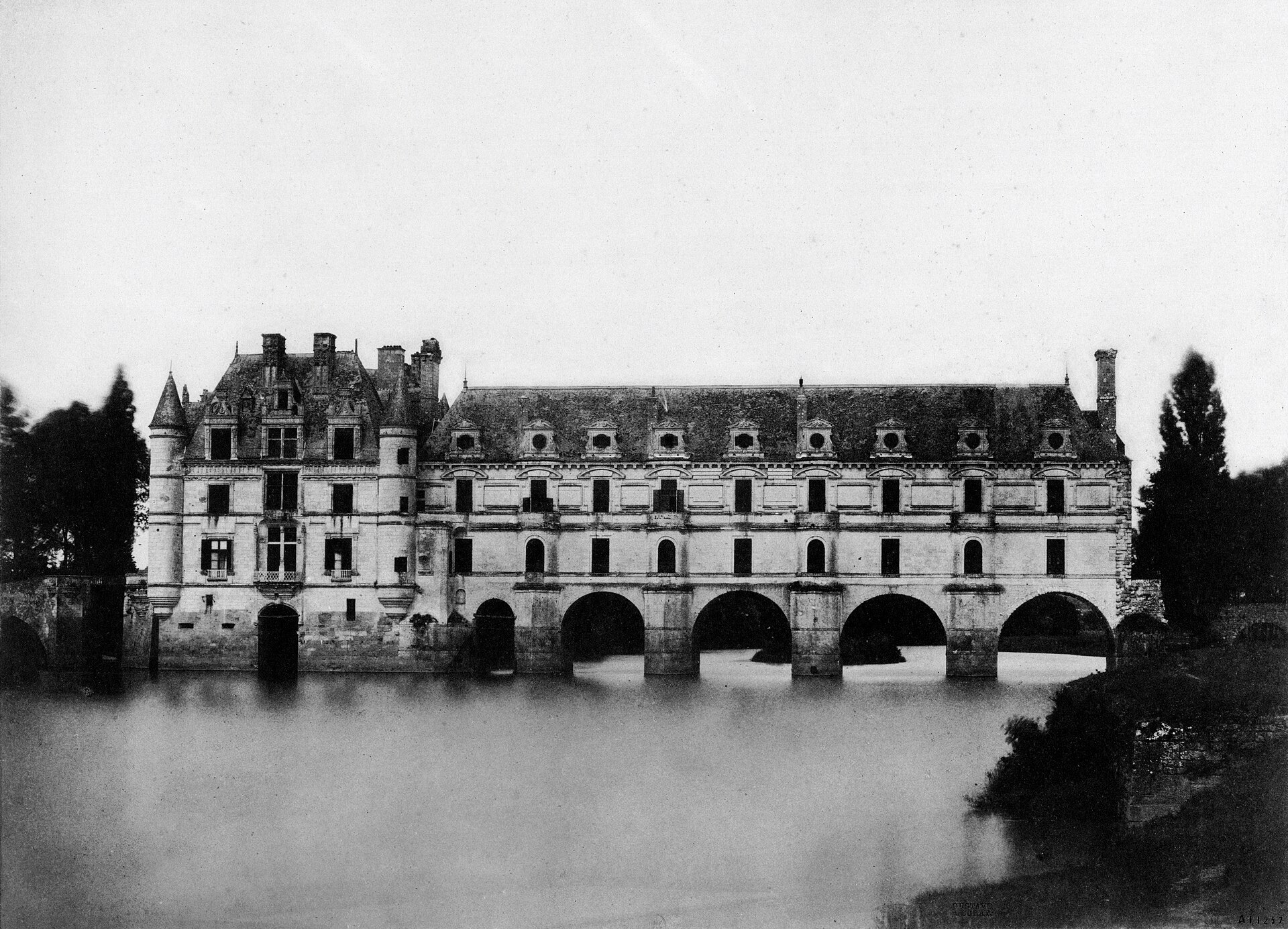
In 1851 the Commission des monuments historiques launched what Orsay calls the first collective public commission given to photographers: an inventory of France’s monumental heritage. Le Gray and his pupil Auguste Mestral merged their itineraries and, between July and October, travelled from Touraine to the Pyrenees, producing more than 600 negatives of which only a fifth were delivered, according to the museum. The exhibition reunites a diptych made in the cloister of Sainte-Marie d’Arles-sur-Tech — a genre study of two Catalans and, as its pendant, a portrait of Le Gray — which the museum describes as the last works by the pair to have surfaced, in the twenty-first century. The museum’s website credits the Catalans image as a 2026 purchase.
At the following Salon, in 1852, Le Gray submitted three photographs, two of them monumental views from the Mission, printed from his new dry waxed-paper negative process. All were refused, the museum notes.
Teacher, technician — and painter
Orsay situates Le Gray in the studio of the painter Paul Delaroche, where in the early 1840s he became friends with Charles Nègre and Henri Le Secq and may have met the English photographer Roger Fenton. By the end of the decade, the museum says, he had become an outstanding chemist and technician and a teacher with a following of pupils; in 1852 he published his Traité théorique et pratique de photographie.
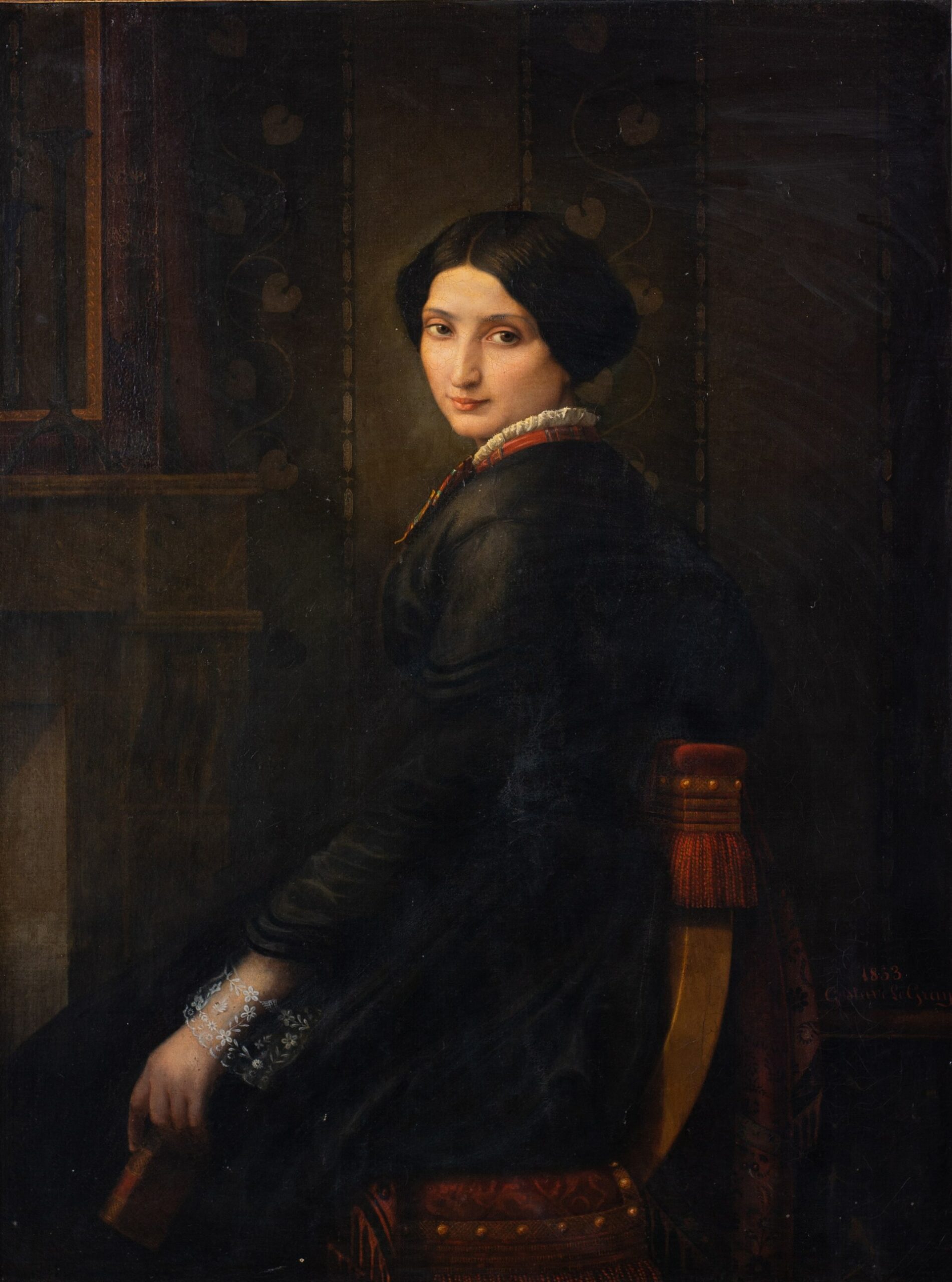
Painting is the thread the museum pulls hardest. According to Orsay, Le Gray’s command of the brush was entirely unknown until the recent rediscovery of his most ambitious canvas. That painting, Portrait de Mme G.L., a barely anonymised likeness of his wife, was the only work by Le Gray accepted by the Salon jury — in 1853, the same year he was commissioned to photograph the Salon itself.
Liquidation and exile
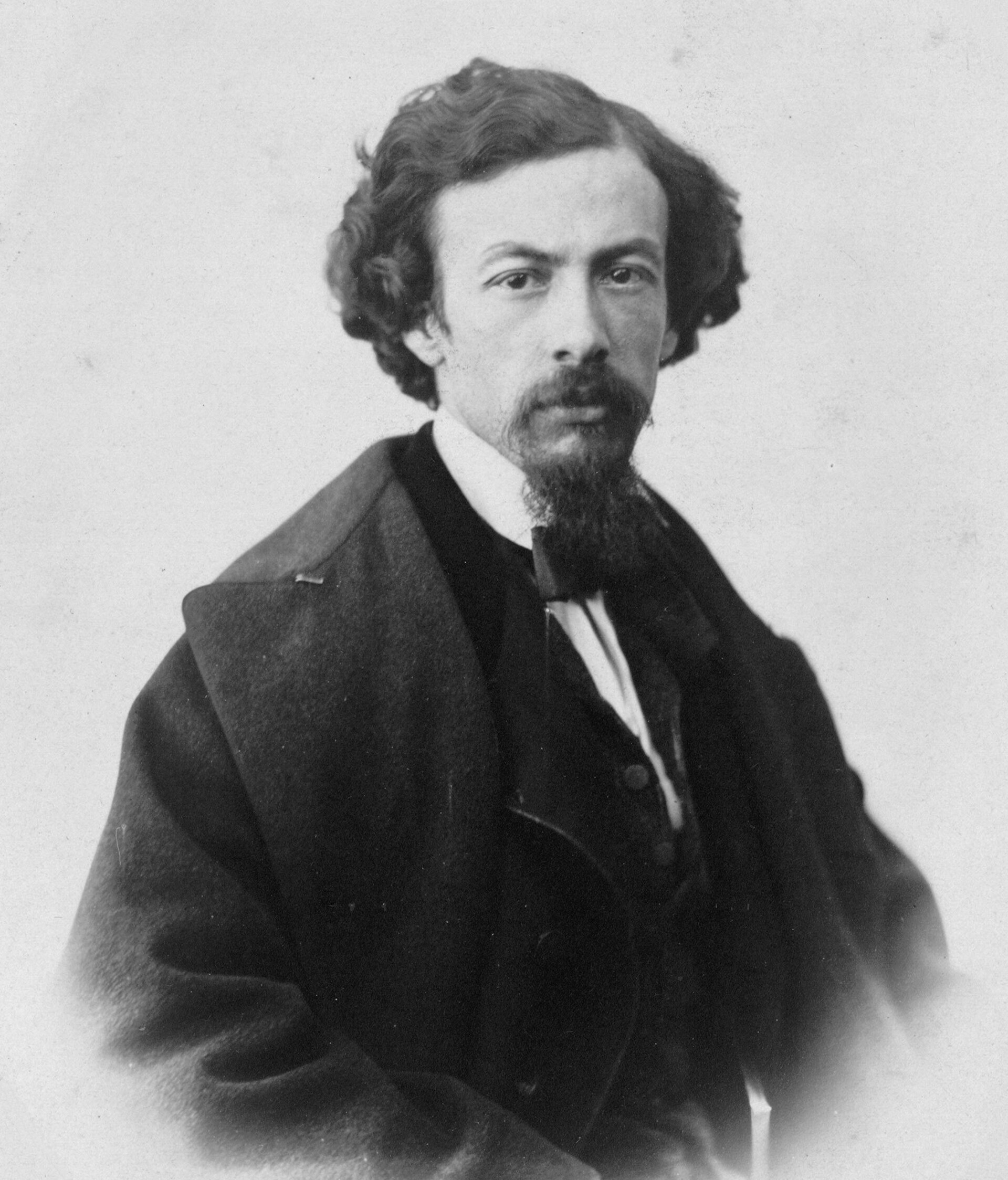
The exhibition also traces the end of Le Gray’s Paris career. In 1859 the Société française de photographie was allowed to hold its exhibition alongside the Salon des beaux-arts, in a separate but adjoining space; the museum suggests that Le Gray, who that year had portrayed the superintendent of fine arts himself, contributed to that partial victory. In 1860 his luxurious portrait studio was put into liquidation and, fleeing his creditors, he left his wife and children and went into exile as far as Egypt.
Practical information
Gustave Le Gray. Peintre photographe, Musée d’Orsay, Room 8c, level 0, Paris. 10 November 2026 – 7 February 2027. Open Tuesday to Sunday, 9:30 am – 6 pm, until 9:45 pm on Thursdays; closed Mondays. Timed museum admission €16 (reduced €13); free for under-18s and for EEA residents under 26, according to the museum’s website.
Sources: Musée d’Orsay, exhibition page; Musée d’Orsay press room. Corroborated by Beaux Arts, republished by Centre Europe (11 November 2026), Arts in the City and L’Art de la photo.
This article was prepared with AI assistance and reviewed by the Honargardi editorial team.