
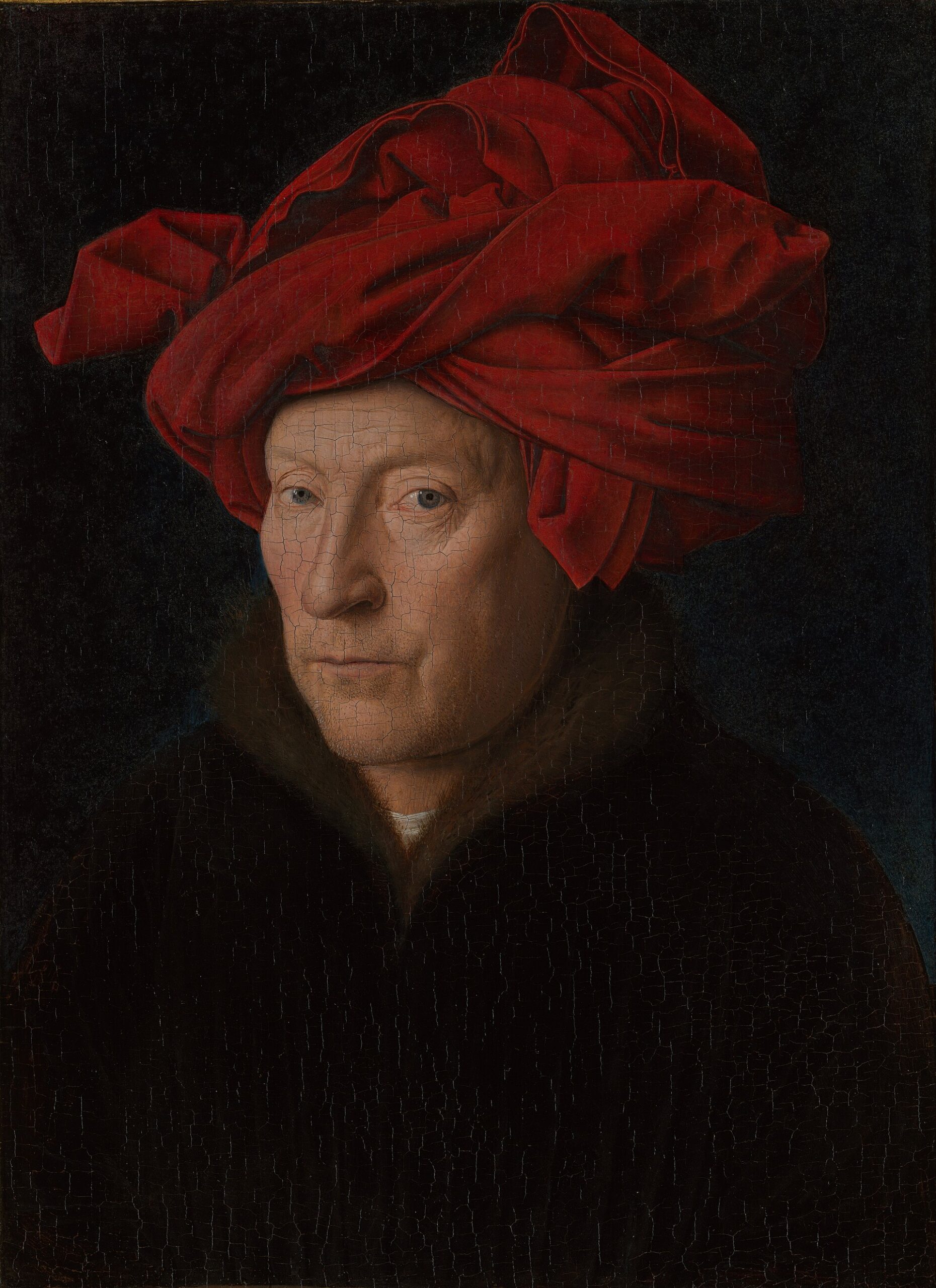
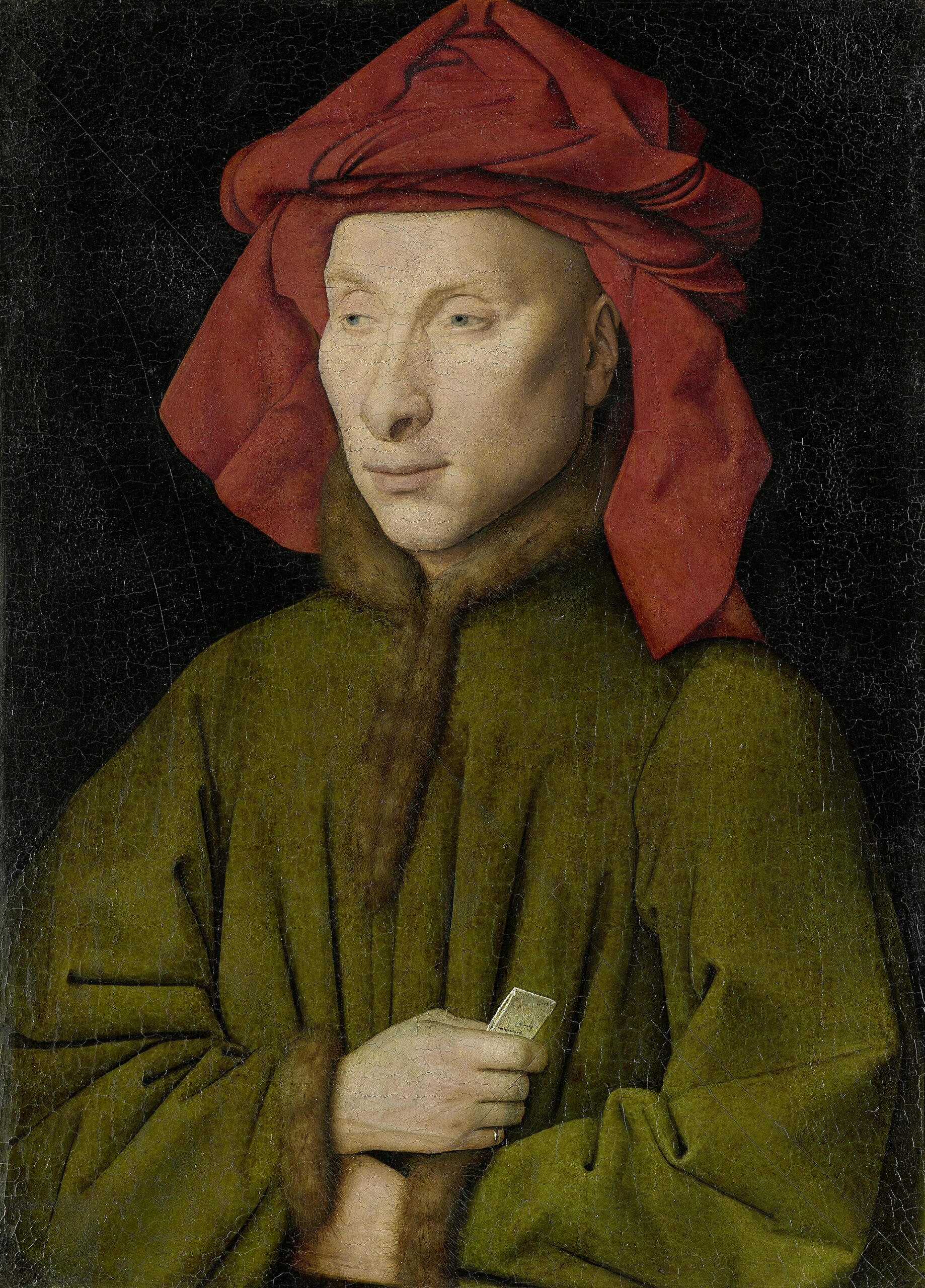
The National Gallery in London opens “Van Eyck: The Portraits” on 21 November 2026. According to the museum’s press release, it is the first exhibition ever devoted to the portraits of the Netherlandish painter Jan van Eyck (active 1422–1441), and it brings together, for the first time and from across Europe, all ten of his portraits: nine painted portraits and his only surviving drawing. The exhibition runs until 11 April 2027.
The scale is small, but the gallery’s own figures explain the weight of the show: these works represent about half of the twenty or so surviving pictures that are by Van Eyck’s own hand. The museum presents the exhibition as a study of the moment portraiture became accurate likeness. Before Van Eyck, the press release argues, portraits favoured elegance or the projection of power over individual character, and their sitters were too generalised to be recognised.
Reunions from Vienna, Berlin, Bruges and Dresden
The exhibition is built around pairings. Van Eyck’s only surviving drawing, the “Portrait of an Elderly Man” (about 1438, silverpoint and goldpoint on prepared paper), lent by the Kupferstich-Kabinett of the Staatliche Kunstsammlungen Dresden, will be reunited for only the second time with the painting it prepared, “Portrait of an Elderly Man (A Scholar?)” from the Kunsthistorisches Museum in Vienna. The gallery describes the drawing as the only certain preparatory study for any Netherlandish painting of the period, with precise colour notes.
Vienna is also lending its second Van Eyck, the portrait of the goldsmith “Jan de Leeuw” (1436), which the museum says makes eye contact with the viewer. According to the National Gallery, it is the first time in its history that the Kunsthistorisches Museum has allowed both of its Van Eyck paintings to be lent at the same time.
The gallery’s own “Arnolfini Portrait” (1434) will be shown for the first time with “Portrait of a Man (Giovanni Arnolfini?)” (about 1435–38) from the Gemäldegalerie of the Staatliche Museen zu Berlin, which shows the same sitter. The press release notes that painting the same man twice was unprecedented at the time for anyone other than rulers.
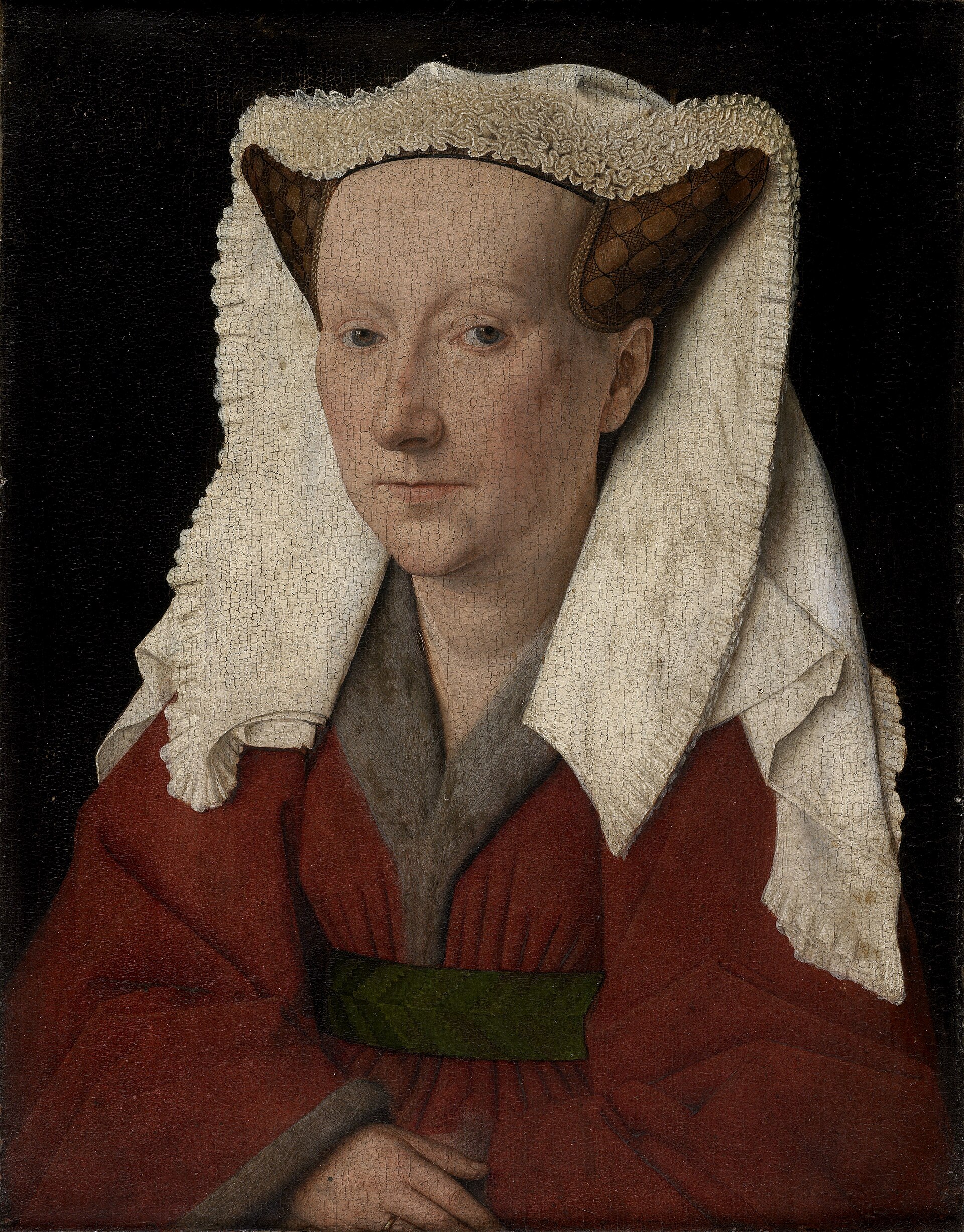
The newly conserved “Portrait of a Man (Self Portrait?)” (1433), from the National Gallery’s collection, will hang beside the portrait of the painter’s wife, Margaret (1439), lent by Musea Brugge. The museum calls the latter the first dated, identifiable portrait of a woman who was not a member of the aristocracy, and a sign of the genre widening from dynastic purposes to successful craftsmen, the artist’s relatives and his friends.
Three further drawings complete the selection: “Portrait of a Young Woman” (about 1435–40, British Museum) by Rogier van der Weyden, a close contemporary who, according to the gallery, probably made it in response to Van Eyck’s work, and two drawings by artists of Van Eyck’s circle or followers of the traditions he established. The Art Newspaper counts the full checklist at 13 works. Van Eyck’s devotional portraits, such as those in the Ghent Altarpiece, are outside the exhibition’s scope, the same report notes.
Portraits painted on every side
Van Eyck painted the frames and reverses of his panels to imitate precious metals and stones. The museum says the portraits were meant to be held, examined closely and discussed rather than hung on a wall, and the exhibition will show several of them in the round for the first time, revealing the marbling on their backs. Nicholas Flory, who curates the show with Emma Capron, told The Art Newspaper that the reverses suggest the objects were designed “to be interacted with”.
Van Eyck also signed his paintings almost systematically, adding the date, sometimes to the day, and in some cases his motto “Als ich kan” (As well as I can), painted as if carved in stone or incised in metal. The National Gallery reads these inscriptions as a sign of the rising status of painters, from anonymous craftsmen to celebrated figures.
Emma Capron, Curator of Early Netherlandish and German Paintings at the National Gallery, says in the press release: “Some stories do not have a beginning. Portraiture is one of them.”
A question mark over the Arnolfini couple
The Art Newspaper reports that a catalogue essay by Stephan Kemperdick, curator of Netherlandish paintings before 1600 at the Gemäldegalerie in Berlin, raises the possibility that the couple in the “Arnolfini Portrait” are not the Italian merchant and his wife but Van Eyck and his own wife, which would also make the Berlin panel a self-portrait. The National Gallery’s press release and exhibition page do not mention this hypothesis. The same report says the Berlin portrait completed a conservation treatment in 2023 that removed a yellowed varnish, and that the “Arnolfini Portrait” received a 15th-century gilded frame in 2024 in place of its Gothic Revival one.
A court painter for the Duke of Burgundy
Little is known of Van Eyck’s origins and training. In 1425 he was appointed court painter to Philip the Good, Duke of Burgundy, and served him until his death in Bruges in 1441. In 1428–29 he was part of the embassy sent to Lisbon to negotiate the duke’s marriage to Isabella of Portugal, and painted her portrait, now lost, so that it could be sent back to Flanders for the duke’s approval. The accompanying catalogue, by Emma Capron and Nicholas Flory, is described by the gallery as the first monograph in English on Van Eyck’s portraits.
Practical information
Van Eyck: The Portraits, National Gallery, London. 21 November 2026 – 11 April 2027. Admission charge (see the museum’s website for prices and times).
Sources
- National Gallery, press release “Van Eyck: The Portraits”
- National Gallery, exhibition page
- The Art Newspaper, “Show of every Jan van Eyck portrait reveals many new sides to his works”, 16 November 2026
This article was prepared with AI assistance and reviewed by the Honargardi editorial team.