
The British government has temporarily blocked the export of two volumes of Mughal calligraphy prepared from an imperial album of around 1595–1605, giving a museum, gallery or private buyer in the UK until 15 February 2027 to come forward at a recommended price of £900,000. The decision was announced on 16 November 2026 in a press release published on GOV.UK in the names of the culture department, the Reviewing Committee on the Export of Works of Art and Objects of Cultural Interest (RCEWA), Arts Council England and the heritage minister, Baroness Twycross.
The measure is temporary. According to the release, the decision on the export licence is deferred so that UK institutions can raise the funds to acquire the volumes, for example through philanthropic support, or so that a private individual can buy them and donate them to the nation. The minister acted on the committee’s advice that the volumes meet the second and third Waverley criteria: their outstanding aesthetic importance, and their significance for the study of the work of royal Mughal calligraphers, their studio practice and the role the works played in diplomacy and international relations.
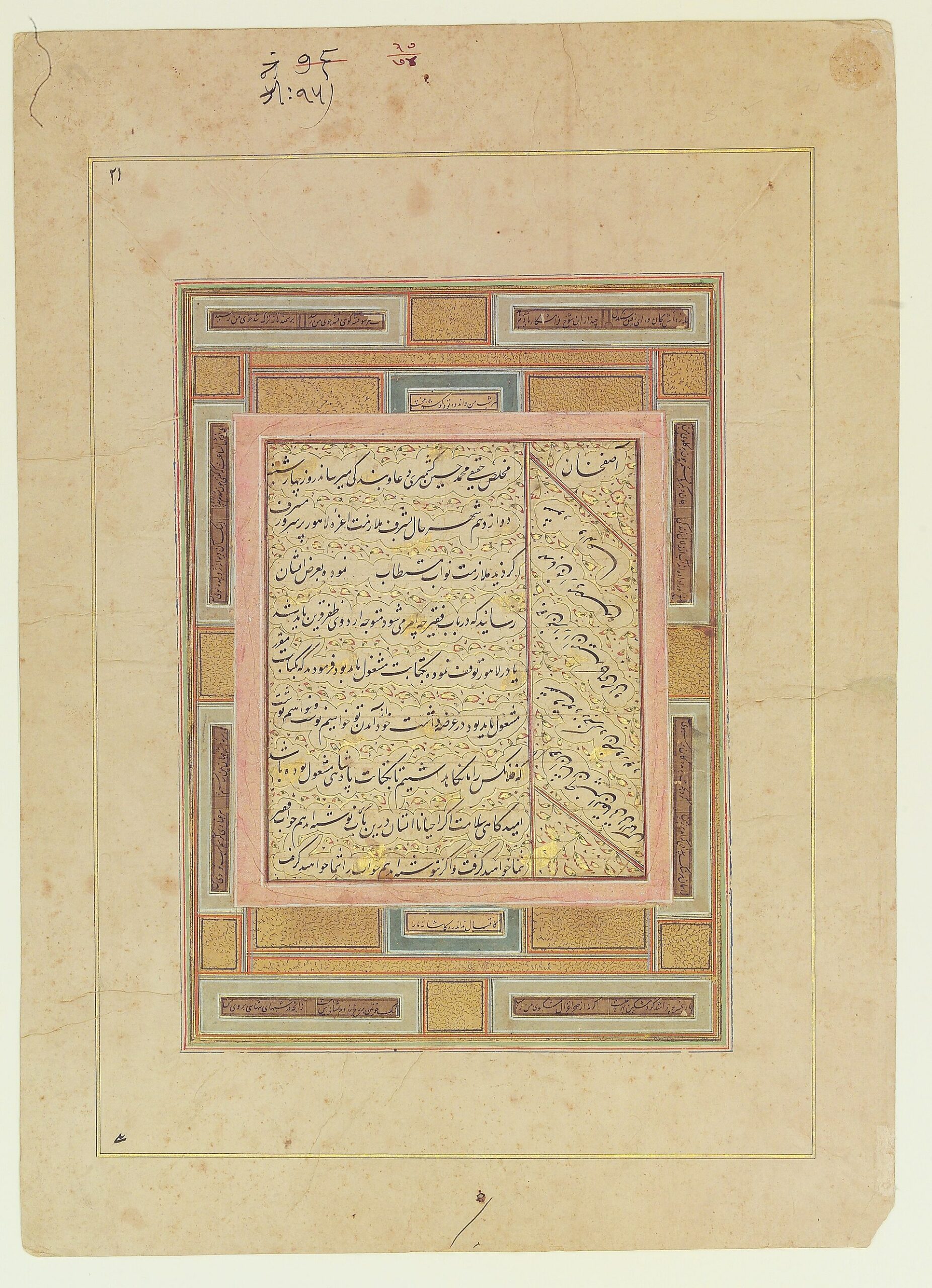
An album made for Akbar or Prince Salim
According to the notes accompanying the release, the two volumes were prepared from a more extensive imperial album of calligraphic specimens. The original album is believed to have been made for the Mughal emperor Akbar (r. 1556–1605) or his son Prince Salim (d. 1627) at the royal workshop in either Lahore or Agra, and it was taken apart before 1728. Together the two volumes contain twenty-nine folios of calligraphic specimens and one drawing, and each folio has illuminated margins. The release describes gold decoration with plant and animal motifs, says the works are thought to be more than 400 years old, and places them in a time of Mughal expansion under the emperors Akbar and Jahangir. Because so few works of this kind survive intact, the release adds, their preservation makes them especially valuable.
Among the calligraphers represented, the government singles out Muhammad Hussain Kashmiri, whom it describes as Emperor Akbar’s preeminent calligrapher, renowned for the intricacy and detail of his work. It adds that rare work by the celebrated calligrapher Abd al-Rahim al-Haravi is also included.
What researchers hope to learn
“Calligraphy of this quality and from such prestigious calligraphers is extraordinarily rare. These sheets hold secrets that researchers are desperate to unlock,” Baroness Twycross said in the release. She added that keeping the volumes in the UK would create a perfect opportunity to discover more about how they were created and “the vital role they played in the history of diplomacy”.
Caroline Shenton, a member of the RCEWA, said that much remains to be discovered about the techniques used to produce the leaves and about the later history of their dispersal and rebinding, “including their relationship to similar folios now in the Royal Collection”. In her view, that research may only be possible if the physical volumes remain in the country.
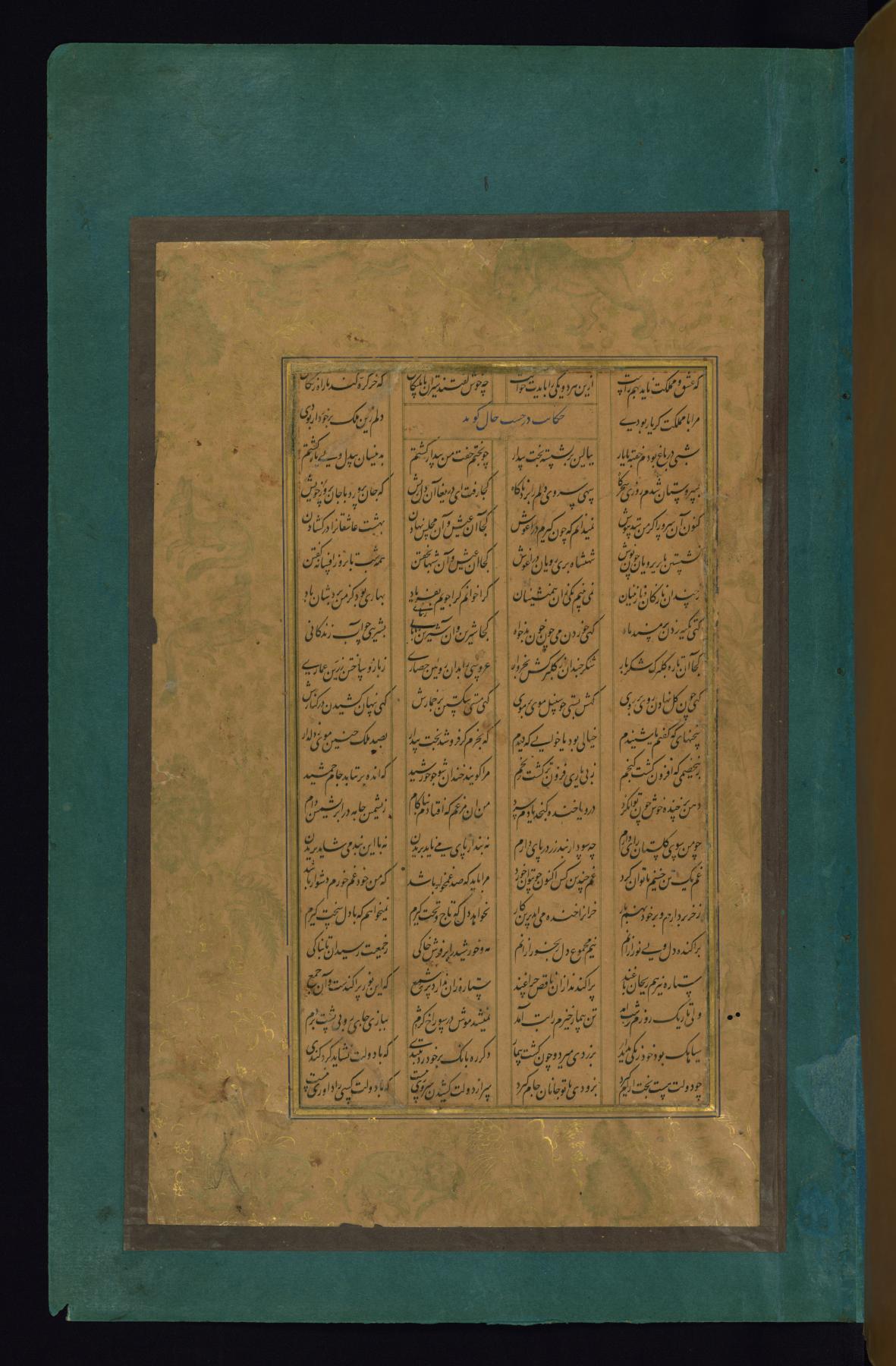
Timetable and price
The first deferral period ends on 15 February 2027 inclusive. After that, the owners have a consideration period of 15 business days to weigh any offer at the recommended price of £900,000. A second deferral period of four months begins once an Option Agreement has been signed. Organisations or individuals interested in buying the volumes are asked to contact the RCEWA.
From the saleroom to the export desk
The provenance published by the government runs from a private collection in England in the 1980s, to a private collection in London from the 1980s until 2020, to a sale at Sotheby’s London on 27 October 2020 (lot 435), and then to AeR Gallery in London. The Art Newspaper reports that the volumes sold at that 2020 auction for £620,000 before fees to a specialist dealer in London. Whether a British institution can now raise the recommended sum within the deadline is the question the deferral leaves open.
Practical information: Export bar on two volumes of Mughal calligraphy, c. 1595–1605. First deferral period ends 15 February 2027 (inclusive). Recommended price: £900,000. Contact for prospective purchasers: RCEWA, rcewa@artscouncil.org.uk.
Sources
- GOV.UK: “Minister acts to keep exquisite Mughal calligraphy collection from leaving the UK”, press release, 16 November 2026
- The Art Newspaper, Gareth Harris: “UK government places export ban on Mughal calligraphy works valued at £900,000”, 17 November 2026
- Images: The Metropolitan Museum of Art, 1994.360 (CC0, Wikimedia Commons); Walters Art Museum, W.613.1A (public domain, Wikimedia Commons)


This article was written with AI assistance, supervised by Honargardi’s editorial team.