
On 17 October, the last day of ARTE’s Et maintenant ? festival at the Gaîté Lyrique in Paris, the food geographer Pierre Raffard led a “cooked lecture” on Iranian cuisine. The session, Voyage en cuisine iranienne, borrowed its name from Raffard’s ARTE series Voyage en cuisine and was built around dishes from the Paris restaurant Namak.
The programme
The festival’s sixth edition, the Festival des idées de demain, ran on 16 and 17 October 2026 at the Gaîté Lyrique (3bis rue Papin, 75003 Paris). Entry was free, though some sessions needed a reserved ticket, and a ticket did not guarantee a seat. This one ran from 14:00 to 15:00 in the Audito room and was billed as an “immersive conference”: booking was required, and entry depended on available places.
The official description presents Iranian cuisine as one shaped by exchanges, migrations and upheavals. Behind black lime, rose water, saffron or pistachio, it says, lie centuries of travel, trade and influence. Raffard is introduced there as a food geographer, teacher and presenter of Voyage en cuisine.
In the room
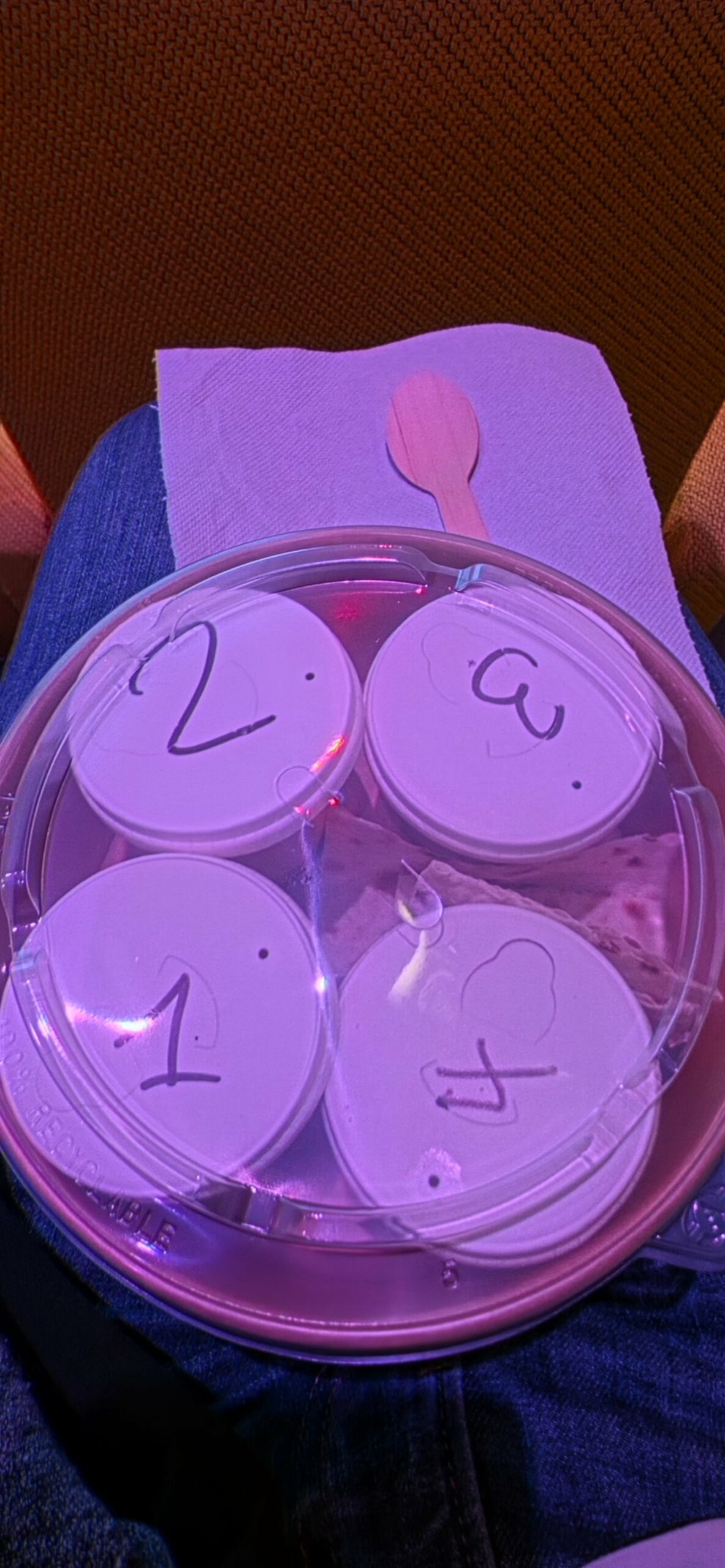
Raffard began by introducing Namak’s two co-founders, then Iran and Iranian food more broadly. The audience was handed a tray of four small cups, numbered 1 to 4, to taste: yoghurt, cheese, ghormeh sabzi and sholeh zaard.
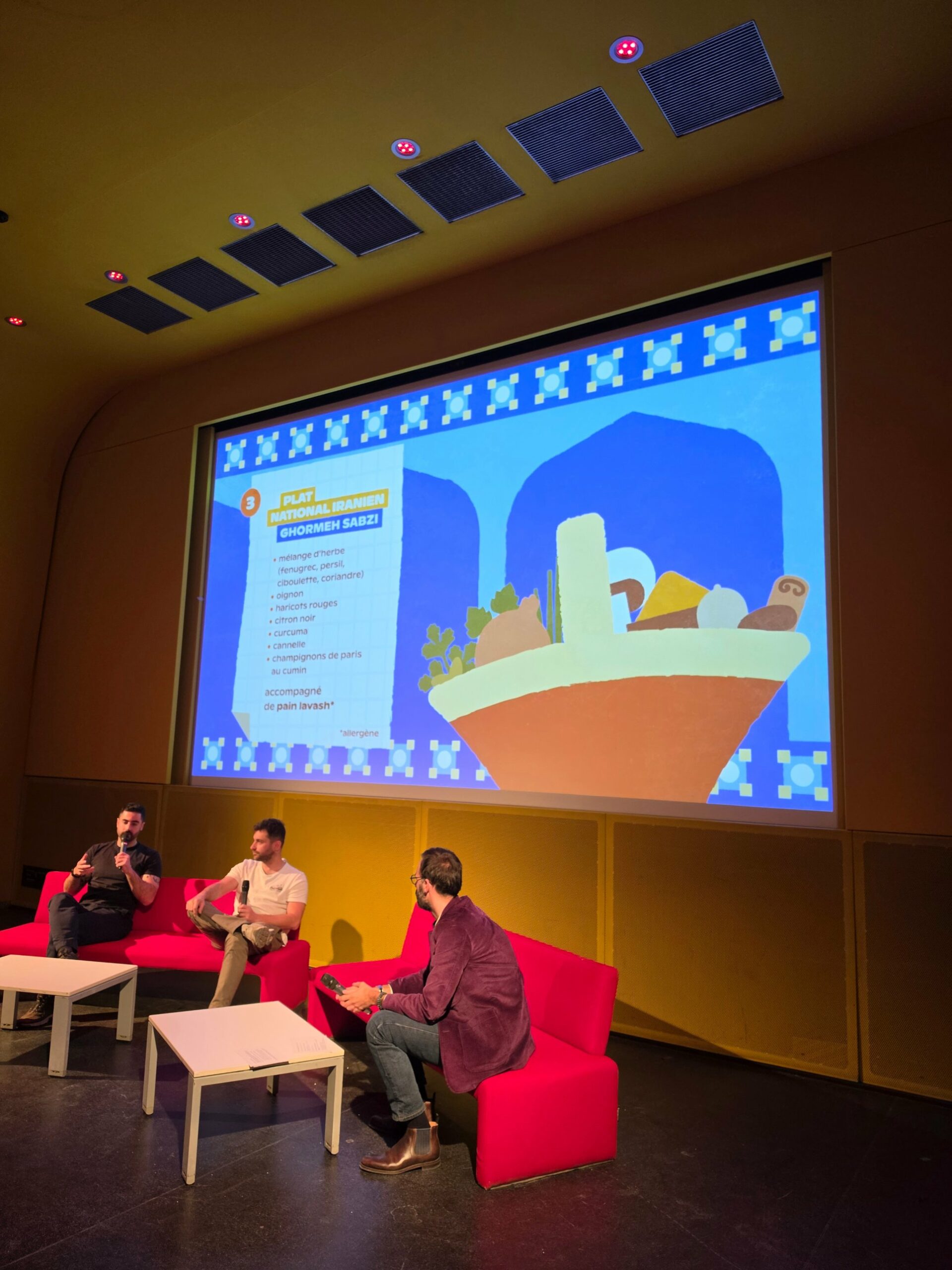
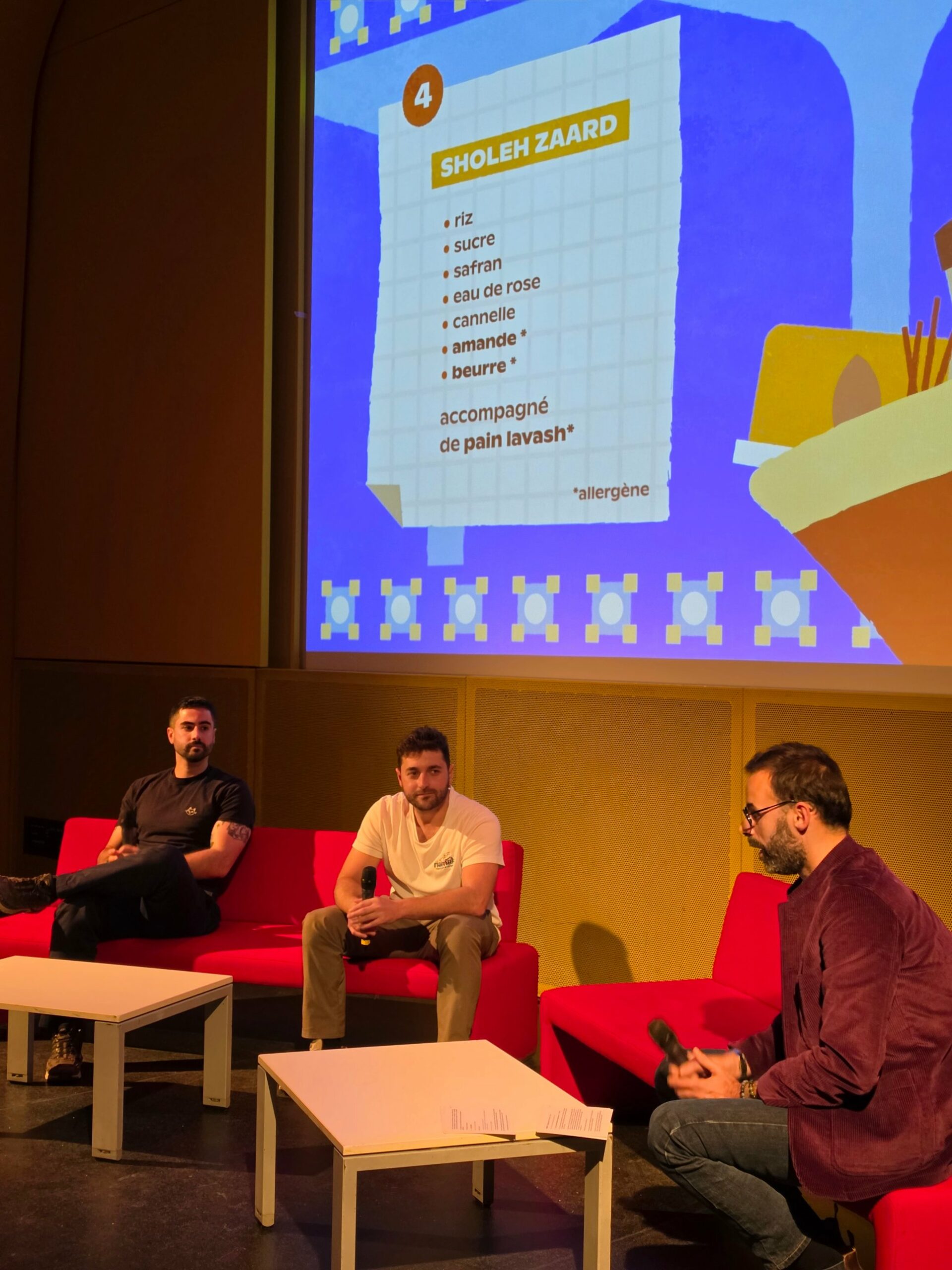
The slides listed what goes into the two cooked dishes. Ghormeh sabzi, labelled “plat national iranien” (Iran’s national dish), came with a mix of herbs (fenugreek, parsley, chives and coriander), onion, red beans, black lime, turmeric and cinnamon, plus mushrooms with cumin, served with lavash bread. Sholeh zaard, a saffron rice dessert, was listed with rice, sugar, saffron, rose water, cinnamon, almond and butter. Allergens were marked on both.
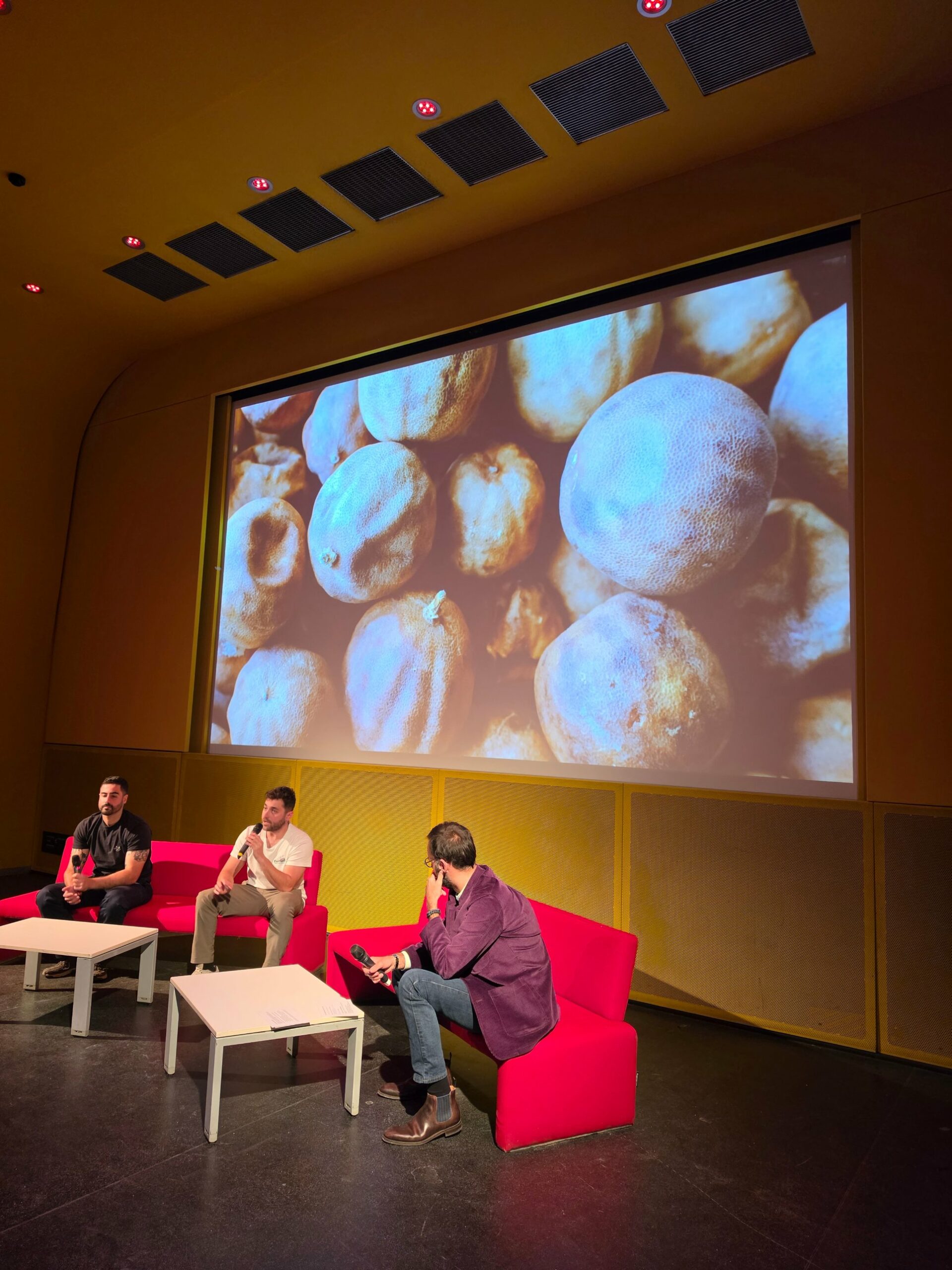
Raffard then went through the flavours behind these dishes, among them pistachio, saffron, dried Omani lime and rose water, and where they come from.
After the session
Honargardi was then able to speak with Namak’s two co-founders, first Rod Pourcyrus and then Arthur Comte, about adapting Persian cooking to Paris. Read the interview: Namak’s Founders on Cooking Persian Food for Paris.
What stayed with us most was how closely Namak listens to the spirit of Iranian flavour, and the boldness of its young founders in updating Persian food while keeping that spirit.
Namak is at 18 rue Saint-Lazare, 75009 Paris.
Sources: the programme of the Et maintenant ? festival (etmaintenant-lefestival.fr); Namak’s website. Text and photographs: Kasra Aliha for Honargardi, October 2026.